
Are We Really This Close? 2°C Rise by 2050 Could Spell Disaster—Find Out What You Need to Know!

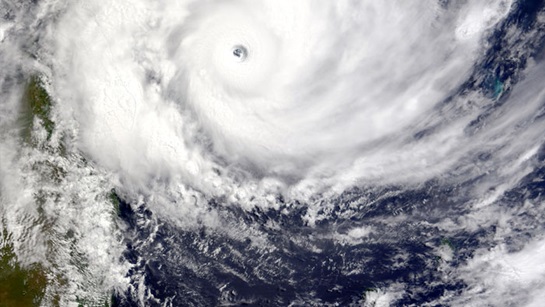
A new report warns that without immediate action, global warming could reach a crucial threshold of 2°C as early as 2050. This alarming projection comes from the report titled "Parasol Lost: Recovery plan needed," produced by the Institute and Faculty of Actuaries (IFoA) and the University of Exeter. It is the fourth in a series addressing the escalating climate crisis.
The report highlights a troubling trend in economic modeling that has historically downplayed the potential impacts of climate change on global economies. This underestimation has led to widespread complacency and significant delays in necessary policy adjustments. As a result, the report suggests that we are ill-prepared for the profound consequences that a rise in global temperatures will bring—effects that could disrupt water and food systems, exacerbate migration issues, and jeopardize human health.
Significantly, it points out that global temperatures are increasing at a rate faster than previous predictions, largely due to the diminishing effect of “aerosol cooling.” This phenomenon, caused by air pollution, has historically acted as a hidden sunshade, offsetting approximately 0.5°C of warming. However, as regulatory measures aimed at reducing pollution—especially in shipping—take effect, this cooling effect is fading, heightening the urgency of our response.
The implications of this accelerated warming are severe. The report warns of potential threats including climate-driven inflation, financial shocks, and the risk that insurance companies may withdraw coverage from high-risk areas sooner than anticipated. Such developments could lead to widespread financial instability and what the report describes as “Planetary Insolvency,” a scenario where societal and economic systems collapse due to the degradation of nature’s essential support systems.
“Planetary solvency is threatened, and we urgently need a recovery plan,” said Sandy Trust, a member of the IFoA sustainability board and the report's lead author. “An actuarial review of key climate change assumptions shows we may have seriously underestimated the rate of warming as well as the related economic impacts. Unless we rapidly change course, climate damages will start to impact growth and future prosperity.”
Trust draws a striking parallel between the current inaction on climate change and the risk management failures that characterized the Global Financial Crisis. “Both feature an over-reliance on benign risk model results and a failure to understand systemic risk,” Trust added, emphasizing the urgent need for comprehensive strategies to mitigate these risks before they spiral into crises.
The report serves as a clarion call for policymakers, businesses, and individuals alike to reevaluate their strategies in light of these impending threats. Without swift action, the stark realities of climate change could jeopardize not only our environment but also the foundations of our economies and social systems.
As the clock ticks toward the critical 2050 benchmark, the need for a robust recovery plan to address these growing challenges is more pressing than ever. The insights offered by the IFoA and the University of Exeter are not just warnings; they are blueprints for action that demand immediate attention and commitment from all sectors of society.
Are You Drinking Toxic Water? The Shocking Truth About PFAS and Your Health!

Cremonese vs Hellas Verona: The Shocking Stats You Need to See Before Betting!

Jasmine Bascoe’s Unbelievable 22 Points Shatter Butler’s Hopes—You Won’t Believe the Ending!
Luxon's Shocking New Slogan Could Change Everything in 2024—Are You Prepared for the Election Twist?

Unlock 2026’s 30 Fitness Investments: Are You Missing Out on Your Dream Body?

You Won't Believe How Fans Are Reacting to the Falcons' Shocking Kevin Stefanski Hire!
You might also like: