
Asus Drops Bombshell: Shocking Shift from Phones to AI—What This Means for You!

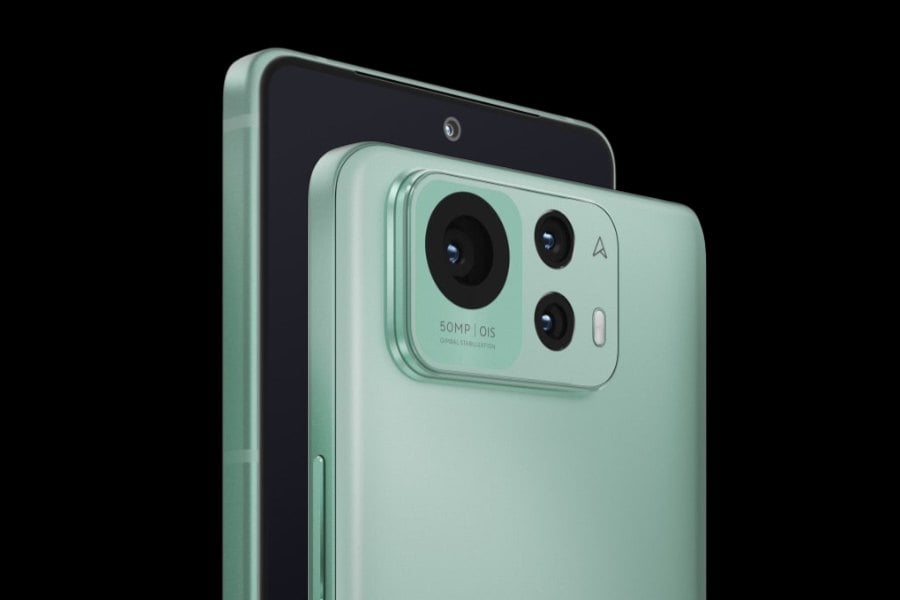
In a surprising turn of events, Asus has confirmed that it will not be expanding its smartphone product lines this year. This announcement comes amidst increasing speculation regarding the company's future in the highly competitive smartphone market. At a year-end employee gathering held at the Taipei Nangang Exhibition Centre, Asus chairman Jonney Shih stated unequivocally that the company would refrain from launching new phone models or adding any new categories to its existing smartphone portfolio. This decision signals a strategic pause rather than a temporary setback, as the company reassesses its priorities in light of market challenges.
Shih reassured existing customers that Asus remains committed to providing robust after-sales support for its current smartphone users. While their phones will continue to receive updates and service, the focus has shifted away from chasing growth in this sector. With the smartphone market becoming increasingly competitive and profit margins tightening, Asus appears to be recalibrating its business strategy.
A Shift Towards AI-Driven Innovation
Asus's pivot away from smartphones marks a significant realignment of its business strategy, directing its resources towards developing artificial intelligence (AI)-driven hardware. The company plans to invest heavily in intelligent machines, robotics, and edge computing devices designed to function with minimal human intervention. This shift reflects a broader trend in the tech industry, where companies are increasingly turning to AI technologies to drive growth.
In Shih's words, Asus believes that long-term growth lies in developing what it refers to as "physical AI products," rather than relying on consumer smartphone sales. This encompasses a range of offerings, including AI servers and enterprise-grade systems, which combine sophisticated hardware design with advanced AI software capabilities. By focusing on this new frontier, Asus aims to carve out a niche in the burgeoning AI market, which is projected to grow exponentially in the coming years.
For the smartphone segment, however, this shift means a period of continuity without growth. Asus phones will continue to receive the necessary support, but they are no longer viewed as a primary vehicle for expansion. This decision echoes the broader industry sentiment that high-volume smartphone sales may not be sustainable in the present economic landscape. Tech giants are increasingly looking to diversify their portfolios and explore new technological frontiers.
As the smartphone market becomes dominated by a few major players, companies like Asus must adapt or face obsolescence. The decision to pause smartphone expansion may also reflect an understanding that innovation in this area has plateaued, and that substantial returns may come from venturing into new technologies such as AI and robotics. In this competitive environment, the ability to pivot and embrace emerging technologies is crucial for survival.
This strategic shift is part of a larger narrative in the tech industry, where many companies are prioritizing investments in AI capabilities. As firms race to harness the potential of AI, those that effectively integrate these technologies into their offerings will likely emerge as leaders in the next phase of technological advancement. For consumers, this shift may eventually lead to products that are not only smarter but also more seamlessly integrated into everyday life.
Asus's decision may serve as a bellwether for other companies in the tech space, particularly those struggling in the saturated smartphone market. The company's focus on AI-driven hardware could inspire similar strategies among competitors, marking a significant evolution in how tech companies approach product development and market positioning.
In summary, Asus's announcement is more than just a pause in smartphone production; it represents a broader shift towards AI and robotics that could redefine the company's future. While existing smartphone users can rest assured that their devices will continue to be supported, the company's new direction may hold greater promise in a landscape characterized by rapid technological advancement and changing consumer preferences.
You Won't Believe What Just Happened: Doumbouya Takes Control as Guinea's Shocking New President!

You Won't Believe How a Last-Minute Goal Changed the Game for Varsity Boys Soccer!

Is Trump’s Shocking Greenland Plan an Unseen Climate Change Strategy? The Truth Will Astound You!

Privacy Giant’s Secret $200M Acquisition: Is Your Data at Risk? Discover the Shocking Details!

You Won't Believe What Congressman Begich Uncovered at the White House on Rural Health Funding!

Ethereum is on the Edge: Will It Break $3,400 or Crash? Discover the Shocking Truth NOW!
You might also like: