
Is Trump’s Shocking Greenland Plan an Unseen Climate Change Strategy? The Truth Will Astound You!

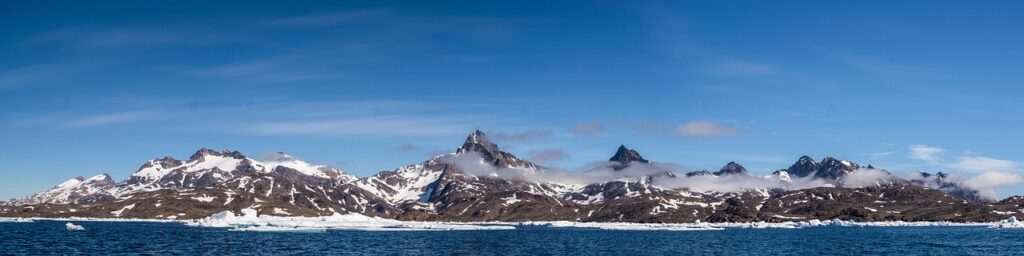
Amid ongoing geopolitical tensions, European troops have recently landed in Greenland, a territory that has drawn significant interest from the United States and Denmark. This development comes as President Donald Trump has persistently advocated for the acquisition of the two-million-square-kilometer Arctic island, despite established security agreements that grant the U.S. substantial military access under its current relationship with Denmark. The motivations behind this interest extend beyond mere territorial claims; climate change is reshaping the geopolitical landscape, making Greenland increasingly critical to global security and resource management.
Recent scientific data highlights alarming trends in the region. The Greenland ice sheet lost a staggering 105 billion tonnes of ice in the years 2024-2025. This rapid melting poses dire consequences—not only does the ice help regulate global temperatures, but its disappearance also contributes to rising sea levels that threaten coastal communities worldwide. Furthermore, the retreat of ice opens navigable waters, granting ships and submarines greater mobility, which has raised eyebrows among military strategists.
Greenland harbors vast natural resources that add another layer of complexity to international interests. Estimates suggest the territory is home to approximately 31.4 billion barrels of oil. Although Greenland had previously sought to extract these resources, it halted efforts in 2021, citing concerns over the global climate crisis. What remains even more tantalizing for global powers are the substantial deposits of critical minerals essential for renewable energy technologies and electric vehicles. Currently, China dominates the global market for these minerals, which have been identified as vital to U.S. national security in a recently released White House document.
This confluence of military, environmental, and economic factors is transforming Greenland into a focal point in the Arctic. As climate change continues to alter the landscape, the island's strategic location and resource wealth will likely intensify international competition. The U.S. has a vested interest in safeguarding its access to these resources and ensuring that rival nations do not secure a foothold in the Arctic region.
With European troops now on the ground, the dynamics in Greenland are rapidly changing. The presence of foreign military forces may signify a new phase in Arctic geopolitics, one where collaboration and confrontation coexist amid pressing issues like climate change. As discussions unfold between Greenland’s autonomous government, Danish officials, and American representatives, the results will likely have lasting implications not just for Greenland, but for the broader geopolitical landscape in the Arctic and beyond.
Privacy Giant’s Secret $200M Acquisition: Is Your Data at Risk? Discover the Shocking Details!

You Won't Believe What Congressman Begich Uncovered at the White House on Rural Health Funding!

Ethereum is on the Edge: Will It Break $3,400 or Crash? Discover the Shocking Truth NOW!

You Won't Believe These 7 Simple Exercises That Could Transform Your Health in Just 5 Minutes a Day!

Three Shocking GTM Mistakes Vertical AI Startups Will Regret in 2026—Can You Avoid Them?

Unbelievable! These 10 Cities Will Become Startup Havens by 2026—Are You Ready to Miss Out?
You might also like: