
You Won't Believe the 5 Shocking Fitness Tech Trends Unveiled at CES 2026! Are You Missing Out?


📰 Table of Contents
Innovations in Health Technology at CES 2026
The annual Consumer Electronics Show (CES) in Las Vegas has always been a hotspot for showcasing the latest in technology, and this year was no exception. As we move further into 2026, it’s clear that the focus is shifting from traditional health gadgets like smart rings and red-light therapy devices to more sophisticated innovations aimed at enhancing longevity and mobility. The buzz this year was largely centered around artificial intelligence (AI) and exoskeleton technology, signaling a significant evolution in consumer health tech.
While the potential of AI to address global challenges, including in healthcare, remains uncertain, CES 2026 showcased a plethora of promising hardware and software that aim to enhance everything from nutrition tracking to athletic performance. Below are some key trends that emerged from the event.
Exoskeletons Enhance Performance and Accessibility
The dream of walking with the ease of a bionic hero may still be a ways off, but advancements in exoskeleton technology are making strides towards this goal. These wearable robotic devices are designed to enhance physical capabilities for both athletes and individuals with mobility issues. The battery-powered Hypershell X Series, priced at $899 and up, notably boosted the wearer's muscle performance, making walking and jumping feel effortless during demonstrations.
Another standout was the Dephy Sidekick, a system that attaches to the shins and ankles, allowing users to move with greater ease. Priced at $4,500, it promises to reduce discomfort and effort during physical activities. Additionally, the IX Back Air, showcased by **SuitX** co-founder Wayne Tung, highlighted innovative spinal support, demonstrating the potential for these devices to significantly improve mobility.
Longevity Tech Targets Home Health
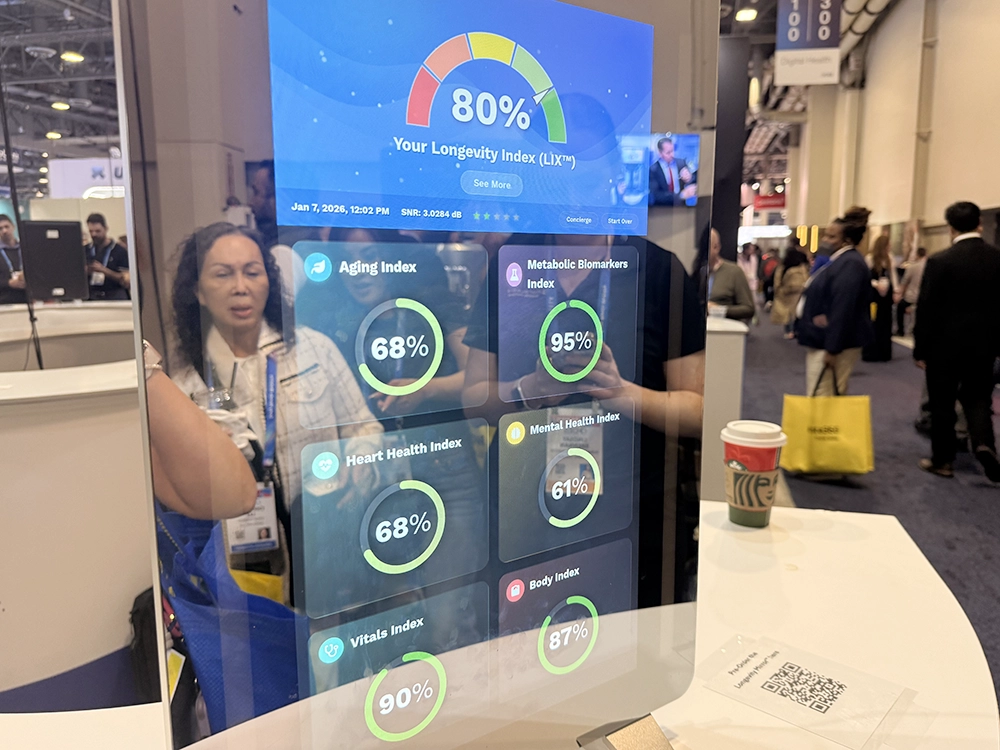
This year, home health technology took a giant leap towards enhancing longevity. One of the most exciting products at CES was the NuraLogix Longevity Mirror, which employs AI and Transdermal Optical Imaging to analyze blood flow patterns on the user's face. It produces a Longevity Index score ranging from 0 to 100, assessing factors such as physiological age, cardiovascular health, and mental well-being. Expected to retail for $899, an optional health concierge service starts at $399, making advanced health monitoring more accessible than ever.
In addition, Withings unveiled its Body Scan 2.0, dubbed an “all-in-one longevity station” that detects over 60 biomarkers. This comprehensive health assessment tool compiles data into a Health Trajectory report, offering actionable insights that can help users make informed decisions about their health habits.
Smart Rings Expand Beyond Health Tracking
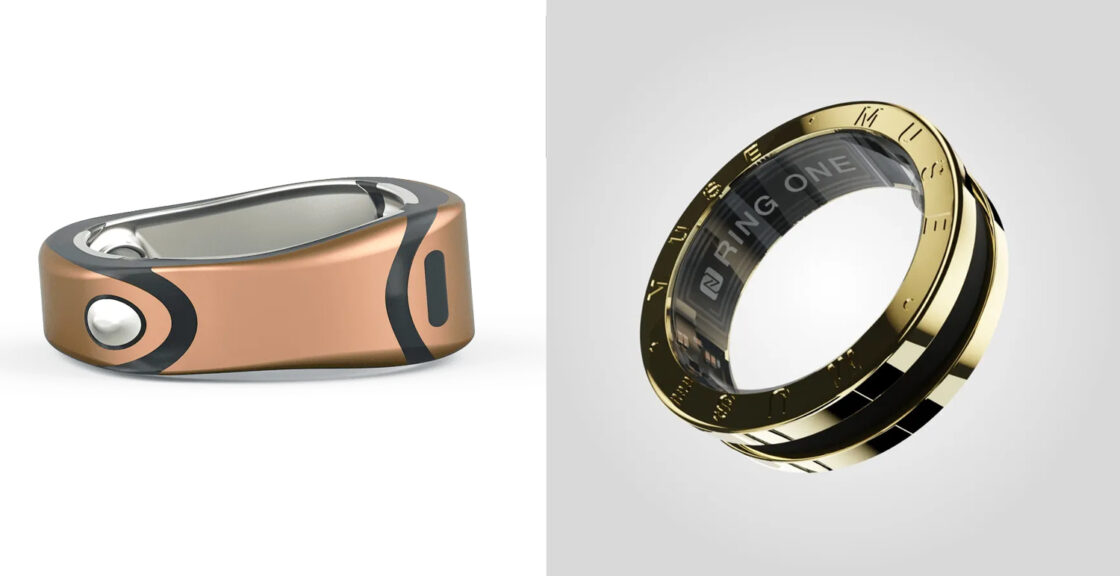
While smart rings have become commonplace, advancements continue to set them apart in terms of functionality and luxury. The renowned Oura Ring remains a leader in this sector, but new competitors are emerging with exciting features. The Muse Ring One ($321-$1,110) not only tracks vital health metrics, including blood pressure and heart rate, but also integrates NFC Tap-to-Pay functionality, aiming to become a staple in the daily lives of users. It boasts a battery life of up to seven days and comes in luxurious materials such as titanium and 18-karat gold.
Wilder Tech has also entered the market with its Bond Ring, emphasizing an investment in next-generation sensors in collaboration with major companies like Bosch and Texas Instruments. This ring is powered by body heat and tracks an extensive array of health metrics. The Founder’s Edition, which features customizable panels and luxury finishes, has already garnered significant interest, leading to a pause on orders due to overwhelming demand.
AI-Powered Nutrition Tracking Evolves

As health tech integrates more with daily nutrition, companies are leveraging AI to provide users with smarter food tracking options. The Abbott Libre 3 Plus, a continuous glucose monitor, works in tandem with the Libre Assist app to allow users to photograph their meals. The app then uses generative AI to offer insights on how to optimize nutrition for better blood glucose management.
Garmin also unveiled enhancements to its Garmin Connect app, which now includes AI-driven food intake tracking, enabling users to monitor their macros and receive insights on how dietary choices affect their overall health. Meanwhile, Amazfit showcased a prototype for its camera-enabled V1tal, which uses AI to analyze food types and provide nutritional recommendations in real-time.
As health technology continues to evolve, the developments shown at CES 2026 underscore a significant shift towards AI-driven solutions aimed at improving wellness and longevity. These innovations not only promise to enhance athletic performance but also seek to bring comprehensive health monitoring and nutrition management into the homes of everyday Americans. With prices ranging from $321 to $4,500, these advances also raise questions about accessibility and the future of personal health management.
Discover How MediaTek's Shocking New Chips Could Change Your Smartphone Game Forever!

4 Android Phones That Outperform the Pixel 10 Pro—#3 Will Leave You Speechless!

You Won't Believe the SHOCKING Turn of Events in Bills vs. Broncos: Who Will Survive the NFL Playoffs?

Revolutionary Glucose Monitor Unveils at CES 2026—Will It Change Diabetes Management Forever?
Why Millions Are Panicking Over This Unbelievable Error—You Won’t Believe What’s at Stake!

Is Your Favorite Snack Food Harming You? Shocking Study Reveals Hidden Health Risks!
You might also like: