
Senators Unveil Shocking Plan: Could Startups Save Millions on Accounting Fees?

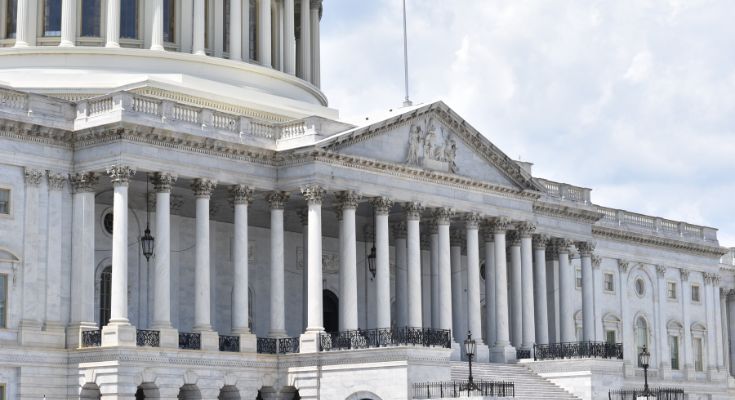
WASHINGTON, D.C. — In a bid to facilitate startup financing while ensuring investor protections, a bipartisan duo of senators has introduced a new piece of legislation aimed at modernizing crowdfunding regulations. On Thursday, Senators Dave McCormick and Andy Kim unveiled the Amendment for Crowdfunding Capital Enhancement and Small-business Support, commonly known as the ACCESS Act. This initiative seeks to raise the threshold at which small businesses must undergo costly accountant reviews when raising funds through crowdfunding.
Currently, startups looking to raise $100,000 through crowdfunding are mandated to have their financial statements reviewed by a public accountant. This requirement can impose significant costs—averaging around $10,000 per filing—which can consume at least 10 percent of the capital raised. The proposed legislation aims to elevate that threshold to $250,000, allowing smaller offerings to proceed without mandatory reviews while still maintaining stringent oversight for larger amounts.
Supporters of the ACCESS Act argue that this change will alleviate an unnecessary burden on young companies, enabling them to validate their business ideas, attract early customers, and secure capital that might not be accessible through traditional loans. McCormick emphasized the importance of crowdfunding for Pennsylvania entrepreneurs, stating, “Crowdfunding can be particularly valuable for Pennsylvania entrepreneurs who may not qualify for traditional financing.” Kim echoed this sentiment, describing the bill as a means to trim “one-size-fits-all” red tape that often stalls startups before they can gain traction, all without undermining market integrity.
This legislative effort builds upon the Jumpstart Our Business Startups Act of 2012, which relaxed securities rules in a bid to help small companies raise money from everyday investors. Since the implementation of Regulation Crowdfunding in 2016, more than 6,500 businesses have successfully raised nearly $2.4 billion across about 8,400 investment rounds, according to data shared by the sponsors of the ACCESS Act.
Besides raising the accountant-review threshold to $250,000, the ACCESS Act also grants the Securities and Exchange Commission (SEC) the authority to increase the limit to $400,000, should its advisory offices recommend such a move. This provision aims to provide regulators with the flexibility to adjust to evolving market conditions.
For states like Pennsylvania, the implications of this legislation are particularly significant. The state ranks fifth nationally in total crowdfunding issuers, with over 330 companies utilizing this funding channel since 2016. This legislative shift could stand to benefit many emerging businesses in the region.
Proponents of the ACCESS Act portray it as a recalibration of existing regulations rather than a move toward deregulation. The goal is to concentrate compliance where risks are higher while easing entry for entrepreneurs eager to launch their ventures. As the ACCESS Act makes its way through Congress, it will serve as a litmus test for whether bipartisan support around startup financing can lead to meaningful changes in rules governing the burgeoning crowdfunding landscape.
As this legislation progresses, American entrepreneurs and investors alike will be watching closely to see how it might reshape the crowdfunding environment and potentially unlock new avenues for innovation and growth.
Wagner College's Shocking Choice: Why James Still’s 2026 Stanley Award Win Could Change Theatre Forever!

Shocking Rise: 50% More Parents Opting Out of Vaccines as Measles Outbreak Soars!
Is the $14 Billion College Sports Empire About to Crumble? Industry Titans Are Demanding Major Changes!
Newbern Mayor's Shocking Resignation: What He Revealed About the Election Challenge Will Leave You Speechless!
Investigation Launched: Alexandria Real Estate's 19% Drop Sparks Alarming Securities Fraud Claims!

Is Solana on the Verge of a 1,000% Surge? Discover the Shocking Truth Before It's Too Late!
You might also like: