
Shocking Rise: 50% More Parents Opting Out of Vaccines as Measles Outbreak Soars!

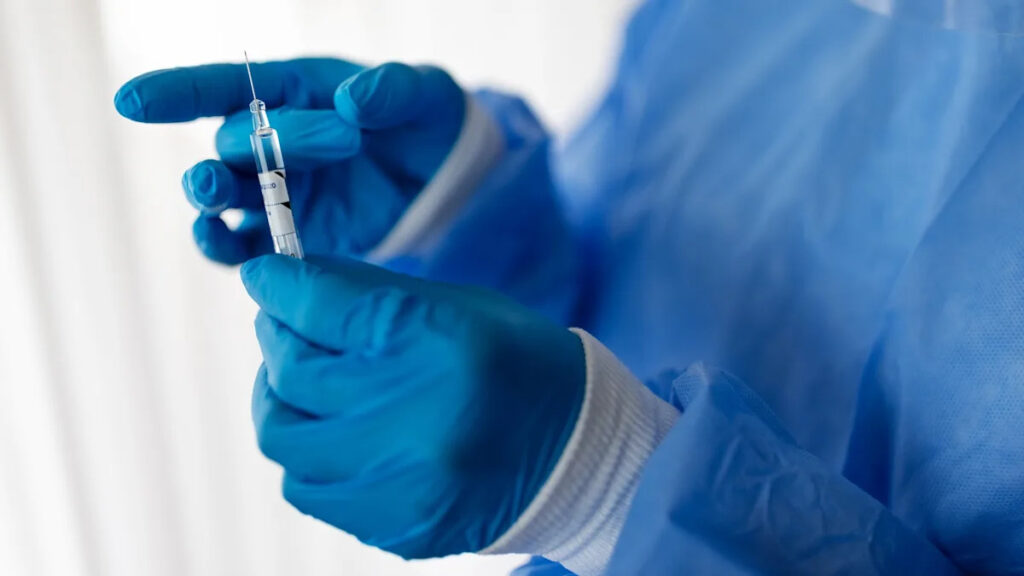
The landscape of childhood vaccinations in the United States is shifting, with a notable increase in the number of parents opting out for religious or personal reasons. This trend, highlighted in a recent study published in the Journal of the American Medical Association (JAMA), reveals that the median rate of families seeking non-medical exemptions has surged from 0.6% during the 2010-2011 school year to 3.1% in the 2023-2024 school year.
The analysis, conducted by researchers from Stanford University in collaboration with NBC News, examined data from 3,053 counties across 45 states and the District of Columbia. It found that over 53% of counties reported a rise in non-medical exemptions greater than 1% between the periods of 2010-2020 and 2021-2024. Alarmingly, 5.3% of counties experienced an increase of more than 5% during the same timeframe. This increase is particularly concerning to public health officials, especially in light of the resurgence of vaccine-preventable diseases like measles.
As of now, all states mandate vaccinations against certain diseases for public school attendance, but 47 states, including Washington D.C., permit exemptions based on religious or personal beliefs. The states with the highest rates of non-medical exemptions include Utah, Idaho, Oregon, Wisconsin, and Arizona. Dr. Nathan Lo, an assistant professor of infectious diseases at Stanford University and a co-author of the study, noted, "These may look like small numbers, but they may be enough to be the tipping point for something like measles." The growing number of exemptions has raised concerns that it could lead to declining vaccination rates and the resurgence of infectious diseases in the U.S.
Rising Measles Cases
The timing of this increase in exemptions is critical, as measles cases in the U.S. are also on the rise. An outbreak that began in South Carolina in October has spread to neighboring North Carolina, with the South Carolina Department of Public Health reporting 558 active cases. Currently, 531 individuals are in quarantine, while 85 are in isolation due to the contagious nature of the disease.
Of those infected, a significant majority—483—are unvaccinated. The outbreak serves as a reminder of the importance of maintaining high vaccination rates to prevent disease spread. Last year, the Centers for Disease Control and Prevention (CDC) documented 2,144 measles cases across 45 states, marking the highest count since the early 1990s. If these outbreaks continue, the U.S. risks losing its measles-free designation, a status that Canada lost last November after reporting over 5,000 cases.
The increase in non-medical exemptions, coupled with rising measles cases, underscores the urgent need for public health discussions regarding vaccination policies. As the debate continues, experts like Dr. Lo emphasize the importance of re-evaluating non-medical exemptions to safeguard public health and maintain community immunity against preventable diseases.
In conclusion, the growing trend of vaccine exemptions among parents, particularly in certain states, poses a significant challenge for public health in the United States. The recent uptick in measles cases only amplifies the need for a comprehensive approach to address declining vaccination rates and to ensure the safety and health of children across the nation.
Is the $14 Billion College Sports Empire About to Crumble? Industry Titans Are Demanding Major Changes!
Newbern Mayor's Shocking Resignation: What He Revealed About the Election Challenge Will Leave You Speechless!
Investigation Launched: Alexandria Real Estate's 19% Drop Sparks Alarming Securities Fraud Claims!

Is Solana on the Verge of a 1,000% Surge? Discover the Shocking Truth Before It's Too Late!
BREAKING: Alexandria Real Estate Class Action Could Cost You THOUSANDS – Are You Affected?
Unbelievable NFL DFS Shockers: Why Jaxon Smith-Njigba and McCaffrey Could Make or Break Your Weekend!
You might also like: