Is the $14 Billion College Sports Empire About to Crumble? Industry Titans Are Demanding Major Changes!

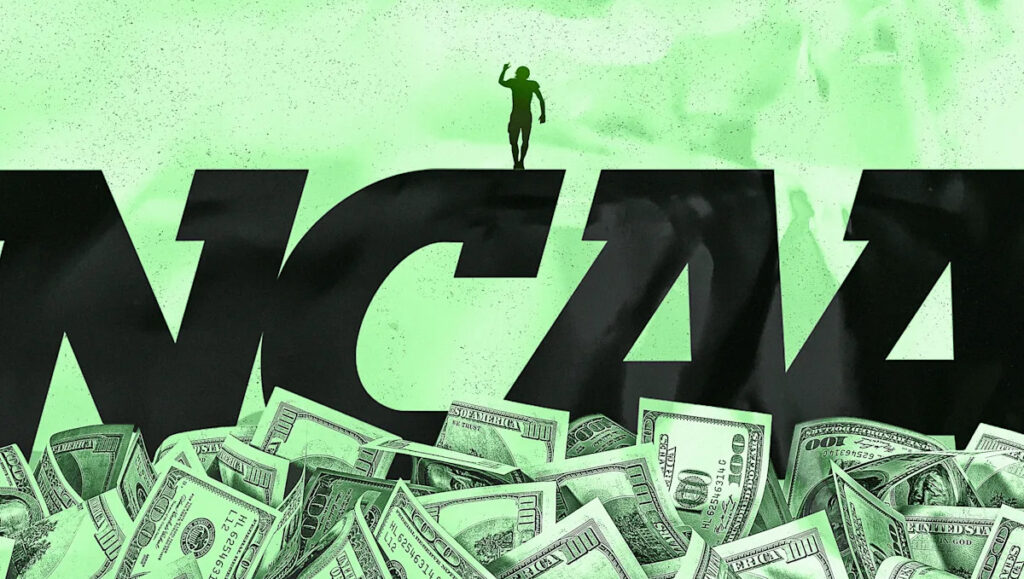
CORAL GABLES, Fla. — The University of Miami has found itself under intense scrutiny amid the evolving landscape of college athletics, particularly during the age of athlete compensation. Critics have often pointed to the university's past, including the infamous case of mega-booster Nevin Shapiro, who spent time in prison for fraud, and John Ruiz, whose actions led to one of the NCAA's most extensive investigations in recent years.
In a striking move that could reshape the future of college sports, Miami's athletic director, Dan Radakovich, has publicly advocated for removing the cap on athlete compensation. Speaking to Yahoo Sports from his office on campus, he stated, “The idea of capping compensation has never worked in this industry. The model we have right now is really difficult to enforce. People who feel like they want to invest, should have the ability to invest.”
This shift in perspective comes at a time when many college officials are grappling with compliance challenges. Radakovich believes that with the current roster spending limit of $20.5 million, enforcement has become complicated. “Over time, if we have this kind of open system, economics will bring things back to a more normal circumstance,” he noted, suggesting that an uncapped market would allow the competitive nature of college sports to self-regulate over time.
As college sports enter a new era driven by revenue-sharing agreements and name, image, and likeness (NIL) deals, numerous high-ranking administrators echo Radakovich’s sentiments. Ross Bjork, the athletic director at Ohio State, remarked that the current financial governance of college sports is untenable, stating, “We cannot govern the money any longer.” Pete Bevacqua, athletic director at Notre Dame, bluntly added, “I think the cap is too low.”
The central question remains: would an uncapped market result in even greater disparities between wealthy and less affluent schools? Radakovich believes the market dynamics are already skewed, stating, “Aren’t they now?” He anticipates that football rosters could escalate to $35-40 million, potentially reaching $50 million within a few years. He emphasized, “We’ve never been successful to a large extent at legislating competitive equity.”
The discussion around uncapped compensation coincides with Miami's impending national championship game against Indiana, as the school navigates the tumultuous waters of college sports' free agency market. Notably, Duke quarterback Darian Mensah is reportedly planning to enter the transfer portal, intending to sign with the Hurricanes despite an existing contract valued at $8 million over two years with Duke. This potential deal raises questions about legal entanglements, as Mensah's contract prohibits other universities from utilizing his name, image, and likeness.
The current climate of college athletics highlights the messy transition from an amateur model to a professional one, exacerbated by a lack of national enforcement. The newly established College Sports Commission is reportedly investigating several programs for unreported NIL contracts that could breach existing rules. As CSC CEO Bryan Seeley noted, “Student athletes appear to be being promised NIL deals and it’s not clear that they will actually get through NIL Go,” referring to the controversial NIL governance process.
At the heart of this discussion is the NCAA’s landmark settlement in May 2024, known as the House settlement, which allows schools to share revenue with athletes while capping spending at $20.5 million. This amount, representing 22% of certain athletic department revenues among the 68 power conference programs, is designed to achieve a 50-50 revenue split akin to the NFL model. However, the vast disparities in budgets among schools—such as Ohio State’s $250 million budget compared to significantly lower figures at other institutions—raise concerns about the cap's effectiveness.
As schools seek ways to circumvent this cap, third-party deals have emerged as a popular strategy. Bjork emphasized, “When you restrict the money, you cause people to do things against the rules… We’re hearing all kinds of stories.” At the recent NCAA convention, NCAA president Charlie Baker described the revenue-sharing aspect of the settlement as a “dramatic departure from the status quo,” urging stakeholders to remain patient during this transition.
As the Miami Hurricanes continue to challenge the norms within college sports, Radakovich concluded, “Everyone is looking to get an edge on everyone else as this industry has done forever. They are going to spend X so we are going to spend 2X.” The coming months will likely reveal whether the push for an uncapped market can indeed address the growing complexities of athlete compensation or simply create new challenges for programs across the nation.
Newbern Mayor's Shocking Resignation: What He Revealed About the Election Challenge Will Leave You Speechless!
Investigation Launched: Alexandria Real Estate's 19% Drop Sparks Alarming Securities Fraud Claims!

Is Solana on the Verge of a 1,000% Surge? Discover the Shocking Truth Before It's Too Late!
BREAKING: Alexandria Real Estate Class Action Could Cost You THOUSANDS – Are You Affected?

Unbelievable NFL DFS Shockers: Why Jaxon Smith-Njigba and McCaffrey Could Make or Break Your Weekend!
Duluth’s Shocking Climate Truth: Can This City Survive the Coming Crisis? Find Out Now!
You might also like: