
“Are You at Risk? Shocking Secrets to Keeping Stage 3 Kidney Disease Under Control Revealed!”

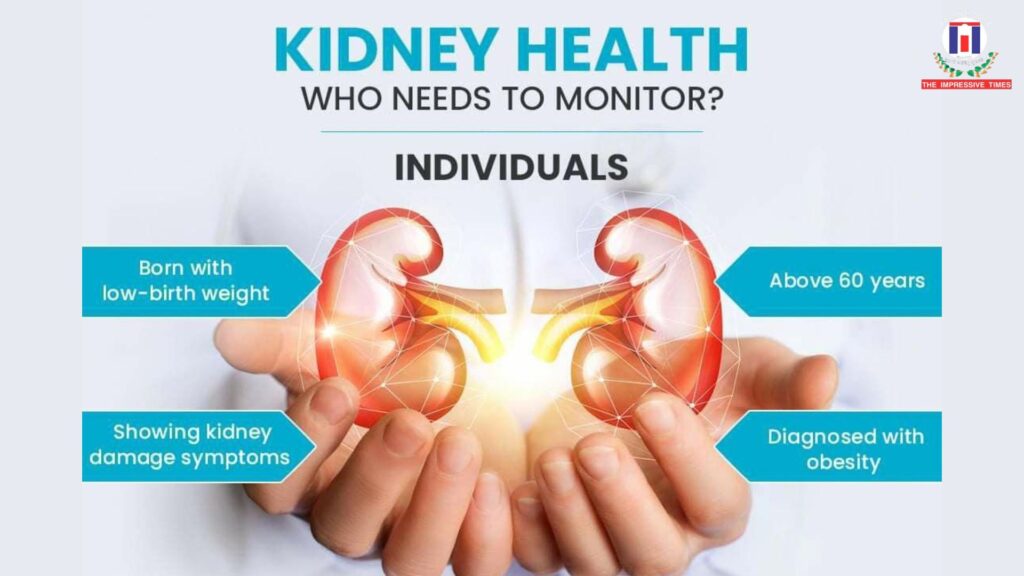
Stage 3 chronic kidney disease (CKD) doesn't have to be a life sentence leading to kidney failure. In fact, many individuals can maintain stable kidney function for years, potentially decades, if this condition is detected early and managed effectively. Dr. Nikhil Bhasin, a consultant nephrologist at Wockhardt Hospitals in Mumbai Central, emphasizes that lifestyle changes, regular monitoring, and proper management can significantly slow the progression of the disease.
Key factors such as poorly controlled diabetes and high blood pressure are the primary culprits that contribute to worsening kidney damage. According to Dr. Bhasin, consistently elevated blood sugar and blood pressure levels can gradually scar the kidneys over time. Additional risks include frequent use of painkillers, smoking, dehydration, and neglecting early warning signs like fatigue or swelling. Many patients at this stage feel relatively normal, leading them to overlook necessary precautions, which can result in serious complications.
Making specific lifestyle changes can have a profound impact on kidney health. For instance, reducing salt intake can help manage blood pressure and prevent fluid retention. Dr. Bhasin advises a balanced diet that includes moderate protein rather than adhering to high-protein fad diets, which can place additional stress on the kidneys. Staying hydrated, quitting smoking, limiting alcohol consumption, maintaining a healthy weight, and engaging in regular physical activity, such as walking, all contribute to reducing the burden on the kidneys and improving overall metabolic control.
While protein intake is essential, it doesn’t need to be completely eliminated. Dr. Bhasin stresses the importance of consuming high-quality protein in moderation and following a personalized diet plan coordinated by a nephrologist or renal dietitian. Relying on generic online dietary advice can lead to misunderstandings and unintended consequences.
Regular monitoring is crucial for anyone living with stage 3 CKD. Periodic blood and urine tests are vital for tracking kidney function and identifying potential complications early. Dr. Bhasin describes stage 3 as a "critical window of opportunity." During this stage, proactive care and lifestyle adjustments can significantly delay disease progression and improve quality of life.
Ultimately, stage 3 kidney disease is not a dead end. With awareness, discipline in lifestyle choices, and continuous medical supervision, many patients can lead active and fulfilling lives without ever needing dialysis. This understanding is vital for patients and healthcare providers alike, as it opens up pathways for effective intervention and long-term kidney health management.
Is XRP Stealing Bitcoin's Crown? Shocking Predictions for 2026 That Will Leave You Speechless!

You Won't Believe How This Bacon-Infused Spread Is Revolutionizing Breakfast—Grab It Before It's Gone!

Vermont’s Shocking Lottery Gamble: Can Smartphone Sales Beat Michigan’s Success or Face PA’s Warning?

SHOCKING Update: Will Sabonis Play Against the Wizards? You Won't Believe What Experts Are Saying!

Why Small Caps Are Skyrocketing While Tech Giants Face a Shocking Decline – Don’t Miss Out!

Nebraska Shocks College Sports: Why Their New Flag Football Program Could Change Everything!
You might also like: