Shocking Study Reveals RSV Vaccine's Unexpected Impact on Organ Transplant Patients—You Won't Believe the Results!

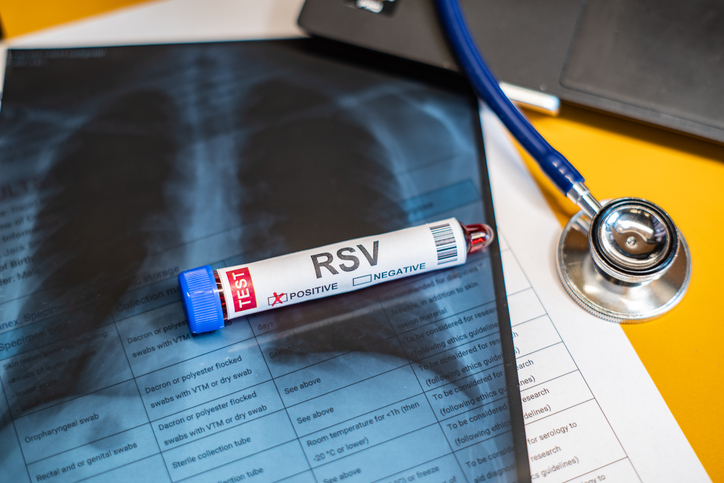
A recent observational study published in the American Journal of Transplantation sheds light on the immunogenicity of respiratory syncytial virus (RSV) vaccines among vulnerable populations, specifically solid organ transplant (SOT) recipients and patients with chronic kidney disease (CKD). Conducted by investigators at Saarland University Medical Center in Germany, the study involved a diverse group of participants, including 52 immunocompetent controls and 197 individuals with immunodeficiencies. Among them, 46 kidney transplant (KTx) recipients, 30 lung transplant (LuTx) recipients, and 19 CKD patients received a single dose of either the adjuvanted RSVPreF3-AS01E or the nonadjuvanted RSVpreF vaccine.
At baseline, over 90% of the participants exhibited detectable pan-RSV-specific immunoglobulin G (IgG), indicating prior exposure to the virus. Additionally, between 30% and 58% of participants had RSV-specific CD4 T cells. Following vaccination, substantial increases in both antibodies and polyfunctional CD4 T cells were observed, with statistical significance (P<0.0001). Notably, the vaccine triggered CD4 T-cell responses that demonstrated cross-reactivity to both RSV subtypes A and B, showing no significant difference in T-cell responses toward F-derived peptides from these strains (P=0.262).
However, the study highlighted differences in immune responses among various groups. While CD4 T-cell responses were similar between KTx recipients and CKD patients, those who had undergone lung transplants showed significantly lower responses (P=0.023). Moreover, SOT recipients within the first year after their transplants displayed even weaker responses (P=0.005). Interestingly, the vaccine did not induce CD8 T cells, which are crucial for achieving a robust immune response.
A critical finding of the study was the negative impact of mycophenolate mofetil/mycophenolic acid intake on the induction of RSV-F-specific IgG, a result consistent with previous reports that indicate these medications can adversely affect vaccine responses. This is particularly relevant for SOT recipients, who often rely on immunosuppressive therapies that can dampen their immune responses.
The study also documented the reactogenicity of the vaccines. Pain at the injection site was the most commonly reported adverse event, with kidney transplant recipients reporting a higher frequency of overall adverse events (P=0.0009), including systemic fatigue. Notably, no clinical signs of rejection were observed within three months post-vaccination, which is a positive sign for the safety profile of these vaccines.
In light of these findings, the investigators suggest that alternative strategies may be necessary to enhance immunogenicity in heavily immunosuppressed SOT recipients. This could include postponing vaccinations until periods of lower maintenance immunosuppression or considering a multiple-dose primary series approach.
The implications of this study are significant, particularly as RSV poses a considerable risk to individuals with compromised immune systems. The findings not only contribute to our understanding of vaccine efficacy in vulnerable populations but also underline the importance of tailored vaccination strategies to improve outcomes in SOT recipients and CKD patients. As research continues, it remains imperative to ensure that these high-risk groups receive the protective benefits of vaccination against RSV.
Health Experts Are Flocking to CureCart—Discover the Shocking Secrets They’re Hiding!

Shocking NFL 2026 Update: Harbaugh's Giants Deal on the Brink—Tomlin's Future at Stake!

Is Hauschild's Re-Election Bid a Risky Gamble? Shocking Details Inside!
Is Your Browser Putting You at Risk? 5 Shocking Reasons You Need to Upgrade NOW!

You Won't Believe How Indiana's Shocking Move Changed College Football Forever! 5 Key Stats Inside!

Why Amadeus Capital’s Anne Glover Just Became a Dame—And What This Means for Investors!
You might also like: