4.7 Million Accounts Wiped Out Overnight: What Australia’s Shocking New Ban Means for Teens!

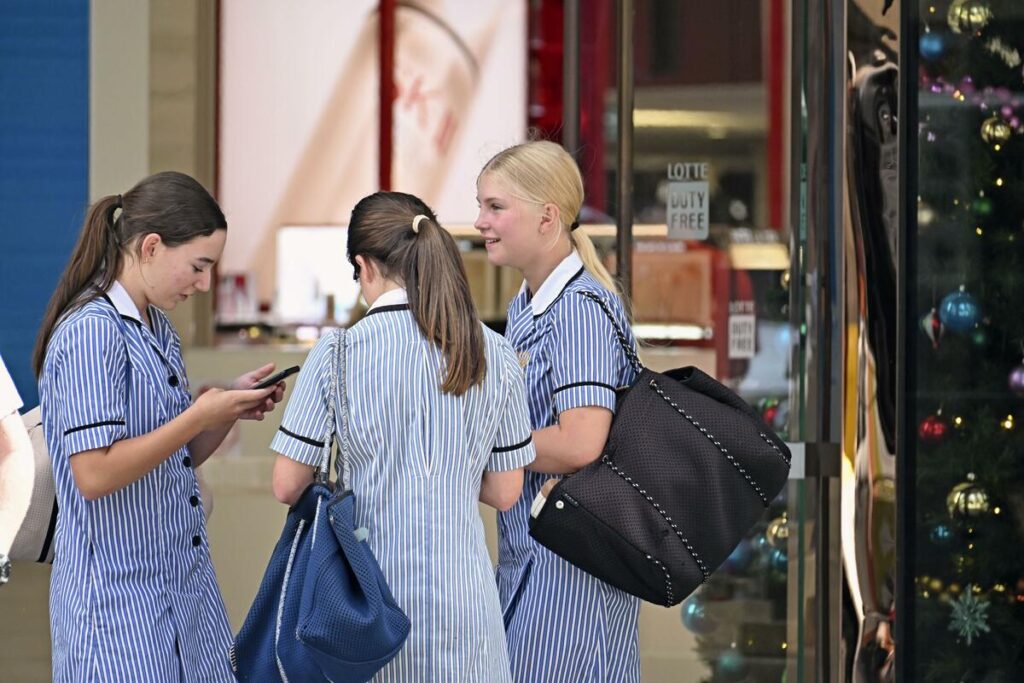
Australia has taken a significant step in regulating social media usage among minors, resulting in the removal of approximately 4.7 million accounts from 10 major social media platforms. This action follows the implementation of a ban on social media for children under 16 years old, which took effect on December 10, 2022, according to data released by the Australian eSafety Commissioner on Friday.
In a press conference, Australian Prime Minister Anthony Albanese expressed optimism about the law's impact. "Change doesn't happen overnight. But these early signs show it's important we've acted to make this change," he said, indicating that the ban is being noticed internationally, with countries like France, Indonesia, and Malaysia considering similar regulations.
The legislation mandates that age-restricted platforms must take "reasonable steps" to prevent users under the age of 16 from creating accounts. Failure to comply could result in hefty fines of up to AU$49.5 million (approximately $33 million USD). Following the law's enforcement, the compliance of platforms—including Facebook, Instagram, Snapchat, and YouTube—has been confirmed by Julie Inman Grant, the eSafety Commissioner.
Despite the apparent success in account removals, challenges remain. The data shows that while there was a surge in downloads of alternative social media services that are not restricted, this trend has not necessarily led to sustained usage. Many children continue to access these platforms, often by falsifying their birth dates or finding ways to evade age verification processes. One 13-year-old, who shared her experience anonymously, described how she continues to use TikTok despite being notified about the ban. "You just press OK, and you still have your account," she remarked.
Another 13-year-old, who also wished to remain unnamed, admitted to having created his account by providing a false birth date and stated that he has not faced any verification requests. Interestingly, some children have expressed positive sentiments regarding the ban. For instance, a 12-year-old girl named Amelie noted that many of her friends have become more sociable since the ban was enacted, with students organizing weekend activities that previously would not have happened.
The broader implications of this legislation are significant, particularly as other nations look to Australia as a model. As concerns about the impact of social media on youth mental health and well-being continue to rise globally, Australia’s approach may serve as a catalyst for similar policies elsewhere. The challenge will be enforcing these restrictions effectively while navigating the dynamic landscape of social media usage among children.
In the United States, discussions around similar regulations have been ongoing, with parents, educators, and lawmakers expressing concerns over children's exposure to harmful content online. As Australia’s initiative demonstrates, addressing these issues will likely require a multi-faceted approach, including education, parental involvement, and possibly legislative action.
As countries grapple with the implications of social media on young users, Australia's recent measures underscore the urgent need for effective solutions in digital safety for children. The success of this ban, mirrored by its global interest, might just pave the way for a new standard in the fight for safer online environments for the youth.
The Shocking Truth: Healthy Snacks Will Skyrocket to $148 Billion—Are You Ready to Miss Out?

This Secret Trillion-Dollar Stock Could Skyrocket 300% by January 2026—Are You In or Out?

OpenAI's Shocking $100M Bet on Sam Altman's BCI Startup: What You NEED to Know NOW!

Netflix's Shocking $1 Billion Deal with Sony: What This Means for Your Favorite Movies!

Bishop Diego's Stunning 5-1 Victory: Did Coast Union Ever See This Coming? Shocking Details Inside!

You Won't Believe How Chris Richards Shocked Everyone to Become 2025's Top U.S. Soccer Star!
You might also like: