
Social Media Shocker: 4.7 Million Underage Accounts Banned in Australia—Is Your Child at Risk?

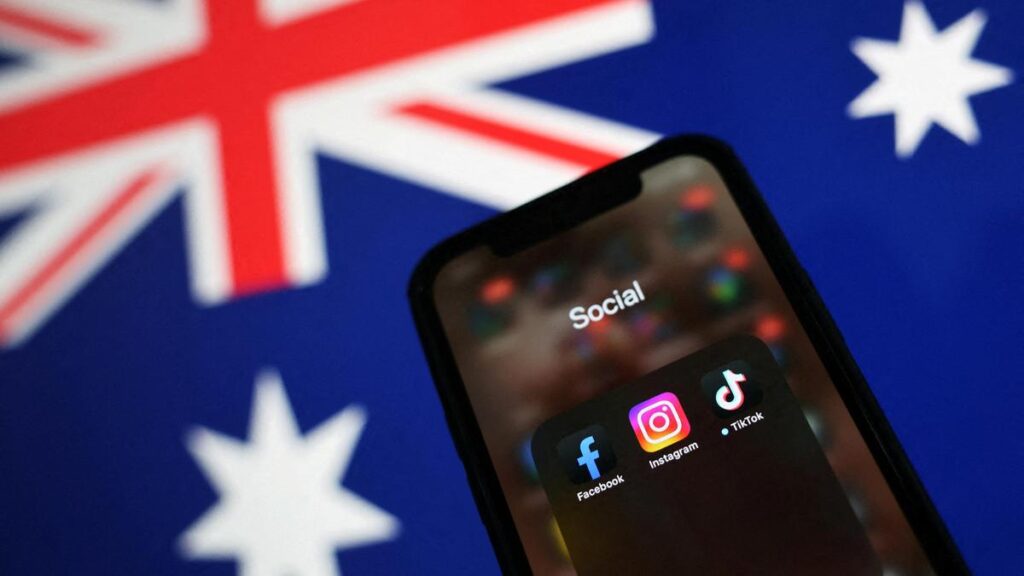
In a groundbreaking move to protect minors online, Australia has become the first country to enact a social media ban for users under 16. Since the legislation took effect on December 10, tech giants have acted swiftly, blocking 4.7 million accounts that belong to underage users, according to Australia's eSafety Commissioner, Julie Inman Grant. This regulatory initiative signals a significant shift in how social media platforms manage user age verification and safety.
Inman Grant stated, "Initial figures showed platforms were taking meaningful action to remove underage users," underscoring the immediate impact of the new rules. Major companies such as Meta, TikTok, and YouTube now face stringent requirements, and failure to comply can result in hefty fines—up to Aus$49.5 million (approximately US$33 million).
In the wake of the ban, Meta reported it had disabled 331,000 underage accounts on Instagram, 173,000 on Facebook, and 40,000 on its newer platform, Threads, within just a week following the legislation's enactment. However, Meta has also urged app stores to implement stronger age verification measures, arguing that without these safeguards, underage users can easily evade restrictions by migrating to new apps. The company advocates for a system where parental approval is required before minors can download apps.
While the eSafety Commissioner noted that verifying ages accurately is complex, she emphasized the necessity for platforms to enhance their age verification processes. "It is also the responsibility of industry to prevent circumvention," Inman Grant added, reflecting the ongoing challenge of safeguarding minors in an expansive online landscape.
Despite the substantial action taken by established platforms, the ban has inadvertently led to a surge in downloads of lesser-known social media sites such as BlueSky and Lemon8. Both platforms have acknowledged the legislation and stated their commitment to cooperating with the Australian regulator, demonstrating an awareness of the evolving regulatory environment.
The implications of this law extend beyond the immediate changes in account management. It reflects a growing trend among governments worldwide to scrutinize social media platforms and their practices concerning user safety. As minors increasingly engage with digital content, the responsibility falls not only on users but also on the platforms that facilitate these interactions. The Australian model may serve as a precedent, prompting discussions in other nations about similar regulatory frameworks.
Inman Grant emphasized that the ultimate goal is to create safer online environments for youth. "Success is measured by reduction in harm and in resetting cultural norms," she stated, pointing to the broader aim of the legislation. As the tech industry grapples with these new requirements, the ongoing dialogue between regulators and companies will be crucial in shaping the future of online safety for young users.
In conclusion, Australia’s pioneering legislation on underage social media use marks a significant step toward enhancing digital safety for youth. As major platforms adapt to comply with these regulations, the potential for similar initiatives in other countries looms large, hinting at a pivotal moment in the global discourse around online safety. The ongoing efforts to safeguard minors online will likely evolve, reflecting the fast-paced changes in technology and societal norms.
Is Being a Patriots Fan Secretly Boosting Your Mental Health? Experts Reveal Shocking Truth!

Wyoming’s Abortion Laws Could Change Forever: What You Must Know Before It’s Too Late!

Redwood's Last-Minute Shock: How Three Goals in Three Minutes Took Down Branson!

LA Fitness in Kingsley Square Is Shutting Down – Find Out Why You Need to Act Fast!

Thai Stock Market Set for a Shocking 30% Surge – Are You Prepared to Miss Out?

Billionaire Battle: Why Two Feuding Investors Are Risking $5 Million Over Austin's IHOP!
You might also like: