
Iran's Shocking $7.8 Billion Crypto Surge: Protests Spark Bitcoin Boom—Are You Missing Out?

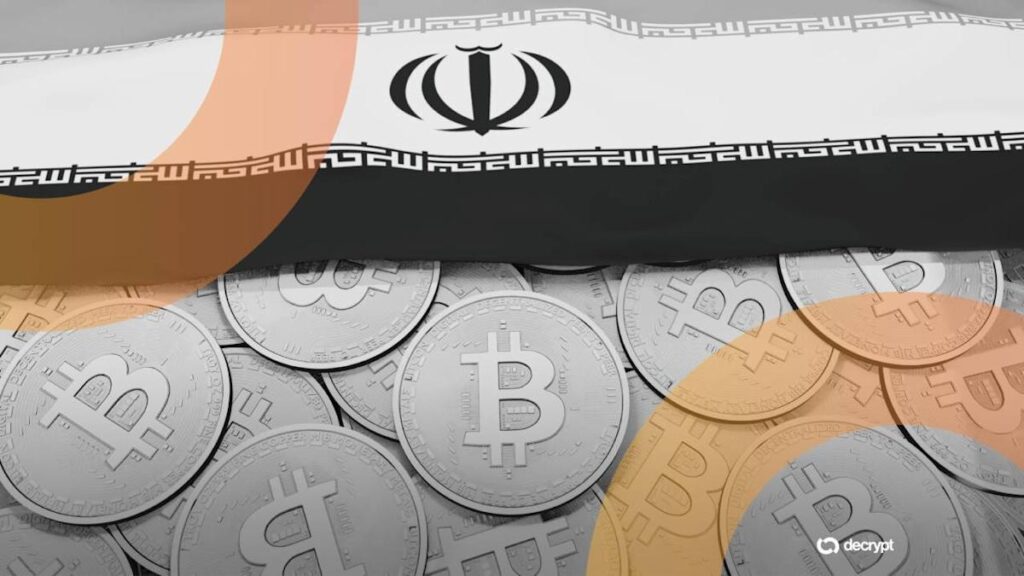
As Iran grapples with profound economic instability and a plummeting currency, cryptocurrency activity in the country has surged significantly, reaching nearly $7.8 billion in 2025, according to a report from blockchain analytics firm Chainalysis. This sharp increase underscores the dual role digital assets are playing amidst a turbulent socio-economic landscape.
Chainalysis highlights that cryptocurrencies are increasingly seen as a financial lifeline for ordinary Iranians facing a government struggling to maintain economic stability. With inflation rates soaring between 40-50%, cryptocurrencies offer citizens a means to escape a failing system controlled by an increasingly desperate regime. “For Iranian citizens living under a government struggling to maintain economic stability,” Chainalysis noted, “cryptocurrency represents not just a sanctions workaround but a way to opt out of a failing system.”
The report indicates that the $7.8 billion figure marks a notable rise from the previous year. As protests intensified in late December and the Iranian government imposed strict nationwide internet restrictions, withdrawals from cryptocurrency exchanges to personal wallets surged. This trend suggests that access to state-controlled financial channels has become less reliable, prompting individuals to seek alternative methods for securing their assets.
Bradley Rettler, a senior fellow at the Bitcoin Policy Institute, emphasized the appeal of Bitcoin in environments characterized by financial repression and currency instability. “In countries where citizens fear their government, worry about financial censorship, or see their local currency inflating, Bitcoin provides an alternative,” he stated. “When any of those things increase, we should expect Bitcoin ownership to increase.”
Since its inception in 2009, Bitcoin has served as a crucial tool for activists and dissidents. Its visibility rose significantly in 2011 when WikiLeaks began accepting Bitcoin donations in response to a financial blockade imposed by PayPal. This historical context illustrates the cryptocurrency’s long-standing role as a mechanism for financial freedom and resistance against oppression.
Interestingly, the report also identified a rise in cryptocurrency activity linked to state actors. According to Chainalysis, addresses associated with Iran’s Islamic Revolutionary Guard Corps (IRGC) accounted for over 50% of all crypto value received in Iran during the last quarter of 2025. This indicates that while ordinary citizens are using cryptocurrencies to protect their wealth, state-linked entities are also leveraging these digital assets to circumvent international sanctions.
“The IRGC plays a significant role in the economics of Iran. Their adoption of Bitcoin signals to the rest of the world and to Iranian citizens that it is valuable,” Rettler observed. Activists like Alex Gladstein of the Human Rights Foundation have labeled Bitcoin a "Trojan horse for freedom," highlighting its potential to empower citizens even amidst oppressive regimes.
Further research published in the International Review of Economics & Finance supports the notion that Bitcoin usage tends to spike during crises, such as the global pandemic and geopolitical conflicts like the wars in Ukraine and Palestine. These situations often disrupt access to traditional banking systems and payment networks, leading to an increased reliance on cryptocurrencies.
Chainalysis also cautioned that the figures presented in its report may understate the true extent of state involvement in Bitcoin transactions. The analysis focused on previously identified addresses sanctioned by U.S. and Israeli authorities, but likely excluded unidentified intermediaries and shell entities that could also play a role in the movement of digital assets.
Taking these factors into account, it becomes clear that Bitcoin has embedded itself within Iran's financial landscape, acting as a tool for both individuals attempting to safeguard their wealth and sanctioned actors navigating U.S. restrictions. “Political leaders will acquire Bitcoin because of its potential as an investment, but that in turn prompts the citizens of that country to learn more about it and want to acquire it themselves,” Rettler stated. “When they do, they find themselves with a money that cannot be manipulated, that allows for significant financial privacy, and that resists censorship.”
Ultimately, as state actors and citizens alike turn to Bitcoin, a paradox emerges: in their quest for wealth through cryptocurrency, rulers may inadvertently grant their people more freedom. This dynamic raises critical questions about the future relationship between authoritarian regimes and decentralized financial technologies.
Supreme Court Justices Secretly Debate Shockingly High Real Estate Fees—Is Your Home at Risk?

Sam Darnold’s Shocking Injury Update: Will He Risk It All Against the Seahawks? You Won’t Believe What’s at Stake!

8 Shocking Plant-Based Habits That Keep Alarm Clocks Silent—Discover the Secret to Waking Refreshed!

Joel Klatt's Bold Claim: Is College Football's Top QB Secretly Tampering with His Future?

Is Social Media Dying? Discover the Shocking Truth Behind Enshortification's Impact!

Ex-Snap Exec’s AI Startup Just Hit $1.3B! What Secrets Are Behind This Shocking Surge?
You might also like: