
Joel Klatt's Bold Claim: Is College Football's Top QB Secretly Tampering with His Future?

College football is currently navigating a tumultuous period characterized by what many are calling a "Wild West" of recruiting, particularly regarding the influx of players into the transfer portal and the significant financial incentives driving these decisions. This chaotic environment has sparked intense debate about ethics and governance in the sport, particularly around the issue of tampering. One recent incident involving Alabama quarterback Ty Simpson has drawn considerable attention and criticism from analysts and insiders alike.
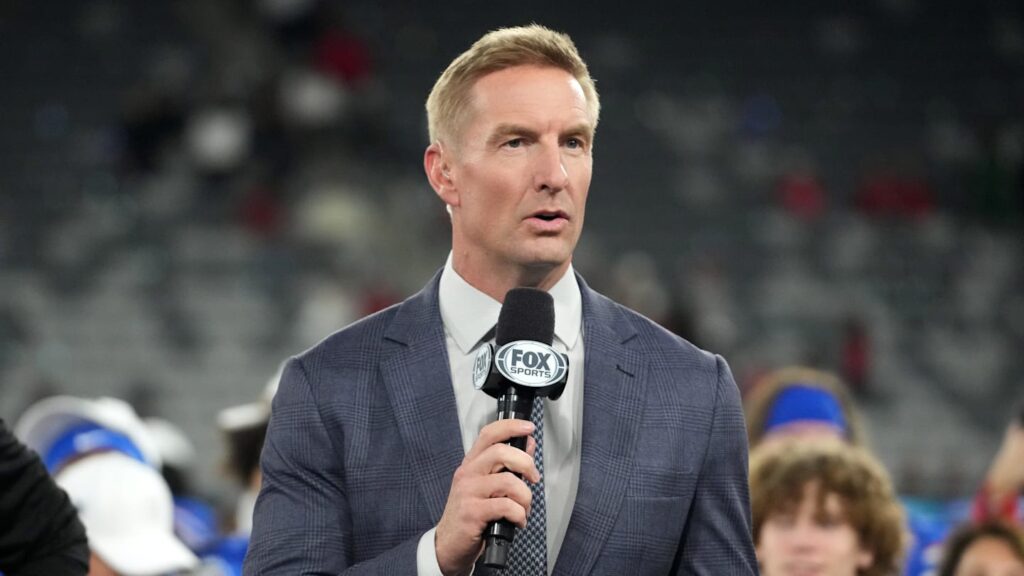
Simpson recently announced his decision to declare for the NFL Draft, despite reportedly being offered lucrative NIL (Name, Image, and Likeness) deals worth as much as $6.5 million to transfer to schools like Miami and Tennessee. This revelation has raised eyebrows, especially since he had not even entered the transfer portal when these offers were made. Fox Sports college football analyst Joel Klatt voiced his concerns about the apparent tampering going on within college football, stating, "How is he getting offers if he's not in the transfer portal? Like, isn't that tampering? Come on, come on. It's just so blatant at this point."
In an interview with On3's Chris Low, Simpson detailed how the offers started at around $4 million from both Miami and Tennessee, with Ole Miss also entering the bidding at a similar amount. Tennessee then escalated their offer to $5 million, and Miami ultimately pushed its offer to the staggering amount of $6.5 million. "Miami was kind of like, 'All right, we're moving on,' and then they lost out on Sam Leavitt (who signed with LSU) and came back with that big number," Simpson explained. This series of events underscores a trend in college football where players are often incentivized financially to switch allegiances, even before making a formal decision to transfer.
Despite the enticing offers, Simpson chose to remain at Alabama. He cited his commitment to the program and his responsibilities as a team captain as key factors in his decision. "I didn't want to undermine my legacy as a team captain at Alabama or the time I had invested in that program by becoming a one-year rental at another school," he stated. This sentiment highlights a growing tension between the financial aspects of college athletics and the traditional values of loyalty and commitment.
Klatt criticized college football coaches for their inaction in addressing the rampant tampering within the sport. He pointed out that while coaches often complain about these practices, they fail to unite to tackle the issue effectively. "And, by the way, I'm not just pointing at Miami and Tennessee. Yeah, he names them right there so we know that they made offers toward him, but come on folks, don't we know that this is prevalent?" Klatt said, emphasizing that the focus should be on the broader issue rather than singling out specific programs.
Moreover, he expressed frustration at the lack of meaningful governance in college football, suggesting that instead of focusing on trivial rule changes, coaches should be banding together to tackle significant issues like tampering. "They should have locked arms and tried to tackle things like the transfer portal and specifically tampering," he argued. "But they didn't—they fixed the redshirt rule, which I didn't even realize we needed to fix." This criticism points to a larger frustration among observers of college football, who see the sport in a state of flux, struggling between tradition and modernization.
The fallout from this incident raises critical questions about the future of college athletics, particularly as NIL deals become more commonplace. As programs vie for top talent, the lines between recruitment and tampering are increasingly blurred, leading to an uncertain landscape for players, coaches, and institutions alike. The NCAA's lack of enforcement measures regarding tampering further complicates the situation, as it leaves schools operating with virtually no oversight while pursuing players.
In a sport that has long been defined by its competitive spirit and loyalty, the current atmosphere may push athletes to prioritize financial gain over legacy. As the college football landscape continues to evolve, the need for effective governance and clear ethical guidelines will be more vital than ever to preserve the integrity of the game.
Is Social Media Dying? Discover the Shocking Truth Behind Enshortification's Impact!

Ex-Snap Exec’s AI Startup Just Hit $1.3B! What Secrets Are Behind This Shocking Surge?

Democrats' Bold Move: How 7 Key Appointments Are Stalling Missouri's Future—You Won't Believe the Consequences!

Flu Strain in California: Why Experts Say You Might Be Next! Shocking Numbers Inside!

Lincoln Council's Shocking Move: Could 2026 Elections Be Wiped Out? Find Out Why!

Chocolate Lovers Beware: 4 Major Brands Recalled Due to Hidden Health Risks—Is Your Favorite on the List?
You might also like: