
Lincoln Council's Shocking Move: Could 2026 Elections Be Wiped Out? Find Out Why!

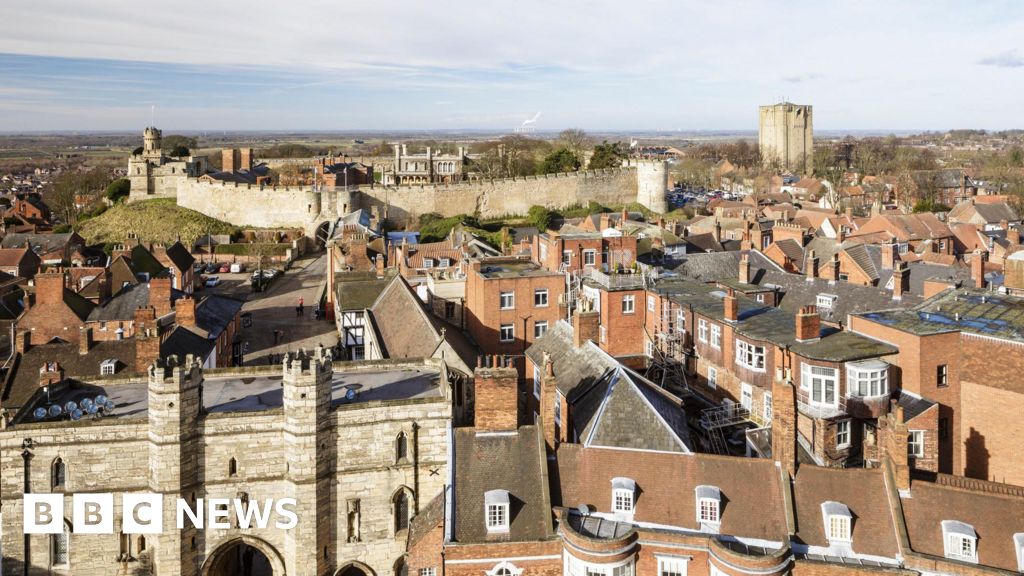
The City of Lincoln Council is considering a request to postpone the city’s 2026 elections, as announced by council leader Naomi Tweddle. This decision follows a recent government inquiry that encouraged local authorities to weigh in on delaying elections in order to facilitate a substantial reorganization of local government structures.
Tweddle, who emphasized the importance of supporting this reorganization scheme, outlined that postponing the elections could help the council avoid incurring costs exceeding £170,000. "With the cost of living continuing to put real pressure on households, we have an opportunity to ease that burden while ensuring reorganization is delivered properly, and we believe that's the right thing to do," Tweddle stated.
However, the proposal has drawn criticism from the council's Conservative group leader, Thomas Dyer, who contended that the council is "running scared of the electorate." Dyer strongly believes that "the people of Lincoln should have their say," asserting that all elections, regardless of cost, are a fundamental aspect of democracy. He argued that the costs associated with elections are influenced by the overall nature of local governance.
Currently, the City of Lincoln Council is the only authority in Lincolnshire scheduled to hold elections this year. The council is in a "transitional, due diligence phase" as it prepares for the government's decision on how the proposed reorganization will be structured in Greater Lincolnshire. This reorganization aims to merge existing councils into larger unitary authorities, an initiative that is projected to save approximately £2 billion nationwide by its anticipated implementation in 2028.
Tweddle reiterated the council’s commitment to ensuring that the reorganization delivers optimal outcomes for residents. "Implementing a once-in-a-generation transformation of this scale requires extensive work, planning, and coordination to ensure it is delivered successfully," she added.
The government is expected to confirm its final decision regarding the reorganization in the coming weeks. As local authorities navigate these structural changes, the discussion surrounding election postponement raises critical questions about accountability, governance, and the prioritization of financial resources in the face of rising living costs.
The implications of delaying elections extend beyond mere financial considerations; they touch on the democratic principle of representation. While the council argues that postponement might lead to better service funding and tax freezes, the opposition sees it as a potential erosion of electoral engagement. How Lincoln addresses these dilemmas may set a precedent for similar discussions in other regions, bringing to light the balance between fiscal responsibility and democratic integrity.
Chocolate Lovers Beware: 4 Major Brands Recalled Due to Hidden Health Risks—Is Your Favorite on the List?
Why TSMC's Shocking AI Announcement Sent Dow, S&P 500, and Nasdaq Soaring—Could You Miss Out?

7 Shocking Crypto Scams You MUST Avoid in 2024—Are You at Risk? Find Out NOW!
State Rep. Jermaine Johnson's SHOCKING Decision: What This Means for Our Future!

You Won't Believe What Happens at Montana Tech’s Iron and Steelmaking Days – Are You Missing Out?

Ninth Circuit Shocks Hollywood: Is Your Pension at Risk? What You Must Know NOW!
You might also like: