Senate Shocks Nation: Why Trump's Venezuela War Powers Resolution Was REJECTED! What Happens Next?

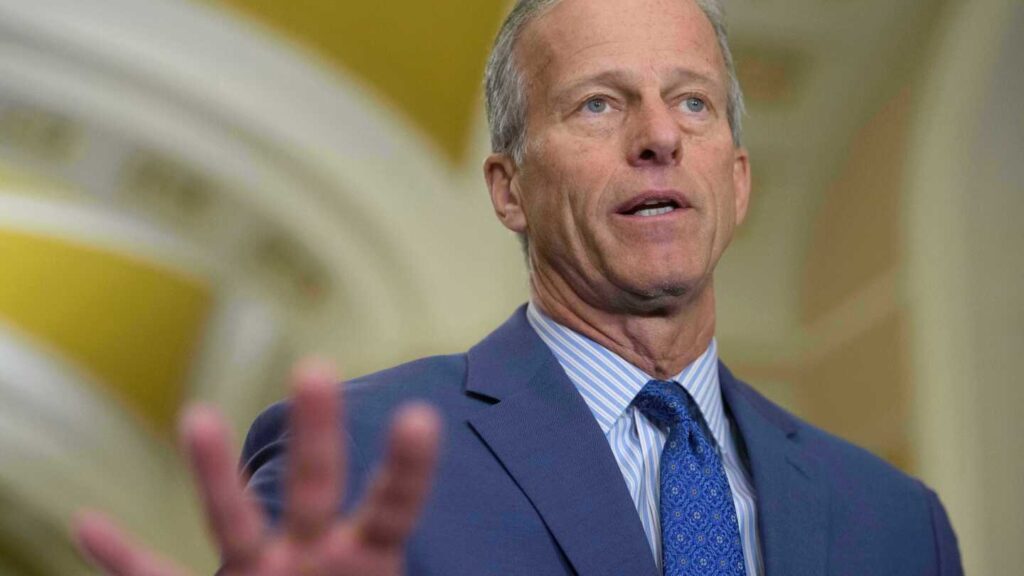
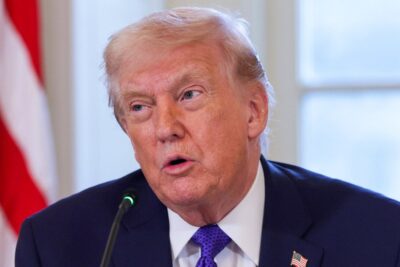
The Senate has decided to sideline a resolution aimed at restricting President Donald Trump's military actions in Venezuela. This move comes after intense pressure from Trump himself, who has vocally criticized five Republican senators for siding with Democrats to advance the measure last week. The deliberations reflect a growing sense of unease among lawmakers regarding Trump's expanding foreign policy ambitions.
Democrats pushed for the resolution following a significant event earlier this month: the capture of former Venezuelan President Nicolás Maduro by U.S. troops in a surprise nighttime operation. The resolution was intended to limit Trump's authority to initiate further military operations in Venezuela, showcasing a rare moment of cross-party concern in a Republican-controlled Senate.
This situation marks a pivotal moment in U.S. foreign policy, as concerns about unilateral military action grow amid heightened tensions in the region. Lawmakers have increasingly voiced worries about the implications of Trump's approach, which some see as erratic and potentially destabilizing. The decision to withdraw the war powers resolution is indicative of the delicate balance between the executive and legislative branches when it comes to military engagement.
Wider Implications of U.S. Foreign Policy
The dynamic in Washington is further complicated by other significant foreign policy developments. For instance, a meeting between Denmark’s foreign minister and U.S. officials, including Vice President JD Vance and Secretary of State Marco Rubio, highlighted ongoing disagreements about the potential U.S. acquisition of Greenland. While both sides agreed to form a working group to address these issues, Trump’s long-standing interest in Greenland underscores his unconventional foreign policy strategies.
Additionally, the State Department announced a suspension of immigrant visa processing for individuals from 75 countries deemed likely to require public assistance. Nations affected include Russia, Iran, and several African nations. This action, set to begin on January 21, aligns with a broader initiative to tighten immigration rules concerning “public charges.”
Moreover, Trump's decision to impose a 25% tariff on goods imported from countries that conduct business with Iran could further escalate tensions. This policy aims to pressure Iran amid its ongoing economic struggles, characterized by inflation rates exceeding 40%. However, experts warn that these tariffs could inadvertently raise prices for American consumers and fuel inflation domestically.
As these developments unfold, they collectively illustrate the complexities and challenges inherent in U.S. foreign policy today. The sidelining of the war powers resolution serves as a reminder of the ongoing tension between the need for congressional oversight and the president’s expansive view of executive power in military matters. The stakes are high, not just for U.S.-Venezuela relations but for the broader geopolitical landscape.
American citizens should stay informed about these trends, as they directly impact not just U.S. foreign relations but also domestic economic conditions and immigration policy. With the 2024 elections looming, how these issues are handled may play a significant role in shaping the political landscape in the coming years.
You Won't Believe What Happens When Access to This Secret Page is Denied! Discover the Shocking Truth Now!
Trump's Bold Plan for Iran: Military Action Could Change Everything—Will You Be Ready?

You Won't Believe What $60 Million Will Bring to Osage Beach—Year-Round Fun or a Huge Mistake?

Paly Boys Soccer's SHOCKING 5-1 Defeat: What Went Wrong Against Los Altos? You Won't Believe the Details!

Is Climate Change Really Slashing U.S. Incomes? Shocking Numbers You Can't Ignore!

Amazon Faces a Shocking $876 Million Antitrust Fine—What Happens Next Will Leave You Speechless!
You might also like: