
Is Your Next Smartphone Going to Cost 30% More? Carl Pei's Shocking Warning Revealed!

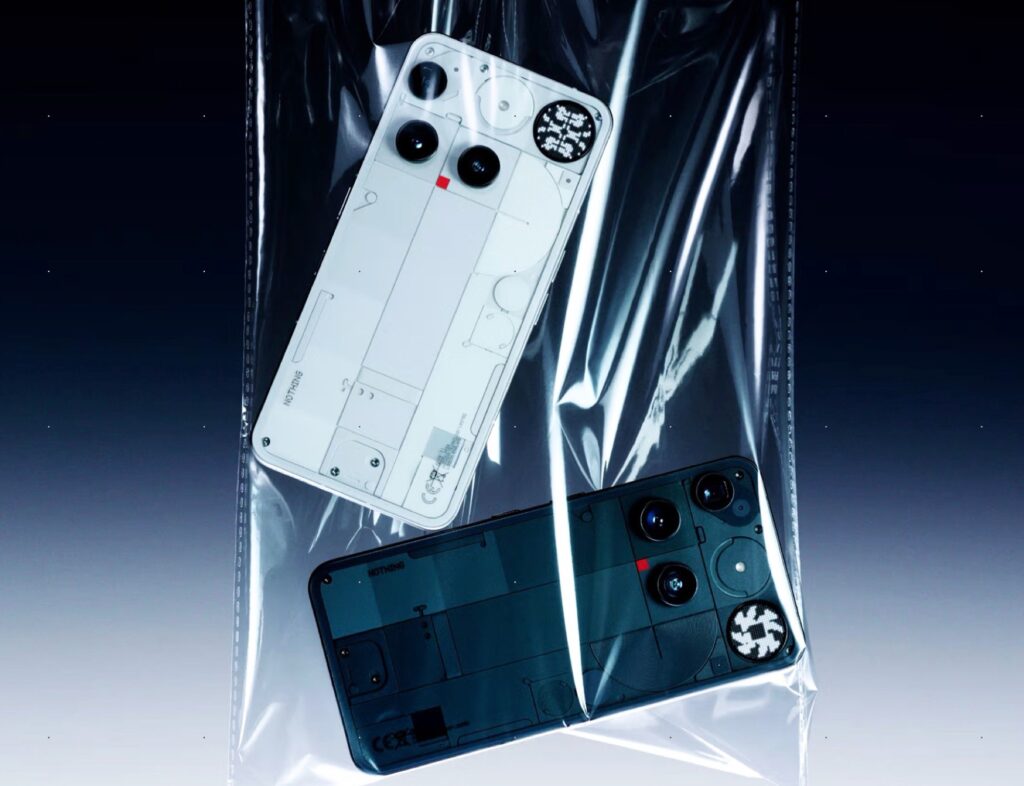
The smartphone industry is facing a critical juncture, and Nothing CEO Carl Pei has shared insights that could foreshadow a tough year ahead for consumers and manufacturers alike. In a recent post on social media platform X, Pei outlined the challenges that may cause your next smartphone purchase to either be significantly more expensive or stripped of key features.
Pei's warning comes in light of a pronounced DRAM crisis that has led to skyrocketing prices for essential smartphone components. For over a decade, the smartphone market has benefited from a consistent decline in component costs, particularly for items like displays, RAM, and NAND flash storage. This trend allowed companies to deliver new models with enhanced features at similar price points. However, Pei argues that this era is coming to an end.
According to Pei, high-end RAM modules that were priced around $20 last year are projected to exceed $100 by the end of 2026. This dramatic increase will likely force manufacturers to either raise the prices of their new models by over 30% or cut back on features to maintain current pricing structures. This could significantly impact the affordability and functionality of new smartphones entering the market.
Already, Pei has confirmed that the upcoming Nothing Phone (3), expected to debut in the first quarter of 2026, will be more expensive than its predecessors. His assertion aligns with broader market trends, indicating that the specs race—a relentless competition to offer the most advanced features—may be on pause, particularly in the entry-level and mid-tier segments.
This seismic shift in pricing and features is not just a challenge for Nothing; it reflects a wider concern within the tech industry about the sustainability of current manufacturing and pricing models. As companies grapple with these changes, the implications for consumers are severe: higher prices could push many to consider holding onto their current devices longer, while others may find their options severely limited.
The future of smartphones may hinge on innovation in how these components are sourced and manufactured. As Pei noted, the expectation is that these rising costs will persist until at least 2028, creating a lasting impact on how consumers interact with and choose their devices.
In summary, as consumers look ahead to their next smartphone purchase, they may find themselves facing a stark choice: pay a premium for slightly better technology or settle for a model that lacks the features they've come to expect. This dilemma puts not only buyers in a difficult position but also signals broader challenges for a tech industry at a crossroads.
Brighton’s Bill Moehle Makes Shocking Re-Election Move—What’s at Stake in 2024?

You Won't Believe How Pat McAfee Shocked This USMNT Star with a Life-Changing Award!
DeSantis Shocks Florida: What Judge Tanenbaum's Appointment Means for YOUR Rights!

Is Patrick Mahomes’ Future at Risk? Shocking NFL Coaching Changes You Can’t Afford to Miss!

Is Bitcoin on the Verge of a Shocking $100K Surge? Here's What You MUST Know NOW!

Denmark's Shocking Military Move in Greenland: What the White House Won't Tell You!
You might also like: