
Hanwha's Shocking Split: What This Means for Your Tech and Lifestyle Choices!

In a significant restructuring move, **Hanwha Corp.**, the holding company of **Hanwha Group**, announced on Wednesday that it will split into two distinct entities. This decision reflects a strategic shift aimed at enhancing operational efficiency and shareholder value within the conglomerate, which has interests spanning defense, energy, finance, and consumer services.
The demerger plan, approved by the company’s board of directors, effectively separates the tech-and-lifestyle businesses from the traditional sectors of shipbuilding, offshore, energy, and finance. The newly formed **Hanwha Machinery & Service Holdings** will encompass a range of technology affiliates such as **Hanwha Vision**, **Hanwha Momentum**, **Hanwha Semitech**, and **Hanwha Robotics**, alongside lifestyle brands like **Hanwha Galleria**, **Hanwha Hotels & Resorts**, and **Ourhome**. The company expects to complete the split by July, following the necessary procedures, which include an extraordinary shareholder meeting planned for June.
For years, **Hanwha Group** maintained a conglomerate structure by housing various business divisions under Hanwha Corp. However, this arrangement has been cited as a contributing factor to the "conglomerate discount," which has kept the company's market valuation from reflecting its true worth. By splitting the company, **Hanwha Corp.** aims to enhance the visibility and valuation of its distinct operational units, potentially unlocking greater shareholder value.
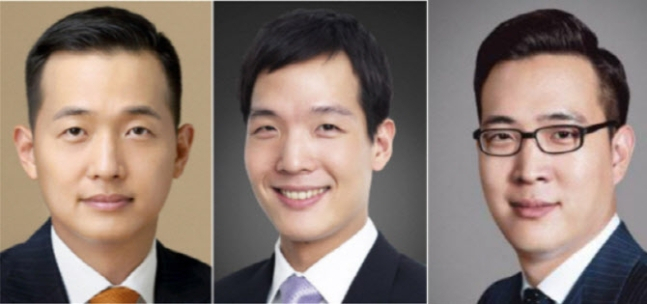
Post-split, the original Hanwha Corp. will retain oversight of defense, shipbuilding, offshore, and energy sectors, including affiliates like **Hanwha Aerospace**, **Hanwha Ocean**, and **Hanwha Solutions**. This arm will be led by **Kim Dong-kwan**, the eldest son of Hanwha Group Chairman **Kim Seung-youn**. Meanwhile, financial affiliates such as **Hanwha Life** will be managed by **Kim Dong-won**, the second son, while the tech-and-lifestyle portfolio under **Kim Dong-seon**, the youngest son, will operate independently.
The split ratio was calculated based on net asset book value, assigning **76.3 percent** of the valuation to the surviving company and **23.7 percent** to the new entity. Shareholders will receive shares in both companies in proportion to this ratio. Notably, the move comes amidst ongoing discussions about the succession within the Hanwha Group. With the restructuring, Kim Dong-kwan will consolidate his leadership over Hanwha Corp., signaling a strategic transition in management dynamics among the three brothers.
As of December 17, 2025, the ownership structure was reshuffled, placing **Kim Seung-youn** with **11.32 percent**, **Kim Dong-kwan** with **10.44 percent**, **Kim Dong-won** with **5.38 percent**, and **Kim Dong-seon** with **5.43 percent** of Hanwha Corp. Additionally, **Hanwha Energy** holds a **22.16 percent** stake in the entire group. Following a transaction in December 2025, Kim Dong-wan and Kim Dong-seon reduced their stakes in Hanwha Energy, further reshaping the family's governance over the conglomerate.
In conjunction with the demerger, Hanwha Corp. announced plans to enhance shareholder value through measures such as canceling treasury shares and increasing dividends. The company will cancel **4.45 million** common shares, valued at **456.2 billion won** (approximately **$308.8 million**), representing **5.9 percent** of total common shares. This notable share buyback is the largest since the Lee Jae Myung administration began. The company also set a minimum dividend per share for common stock at **1,000 won**, reflecting a **25 percent** increase from the previous year's **800 won** dividend.
Following the announcement of the demerger and the shareholder return plan, Hanwha Corp.’s shares surged by more than **23 percent** intraday. Analysts and investors are keenly observing how this split will affect the company’s performance and valuation in the long run, considering the significant implications for both the tech and traditional sectors under the Hanwha umbrella.
The restructuring not only illustrates Hanwha's strategic pivot towards specialization but also raises questions about the future trajectory of its various business arms. As the conglomerate aims to streamline operations and improve market perception, the outcomes of this bold move could reshape the competitive landscape in several industries that Hanwha operates in.
Trump's SHOCKING Warning: 'We're Screwed' If SCOTUS Decides Against His $300B Tariffs! What Happens Next?
Access Denied: What Secrets Is New England Business Media Hiding from You? Find Out Now!

You Won't Believe How Much the Healthy Snacks Market is Expected to Skyrocket by 2025!

Hershey's Shocking COVID Secret: What They’re Not Telling You Could Cost You Big!

Apple's Shocking 2025 Smartphone Victory: How Xiaomi Got Left in the Dust—Are You Missing Out?

Is Your Neighbor Vaccine-Hesitant? Shocking New Study Shows 60% Shift in Attitudes!
You might also like: