
Shocking Lawsuit Reveals Deadly Asbestos Threat in White House Demolition—Are You at Risk?

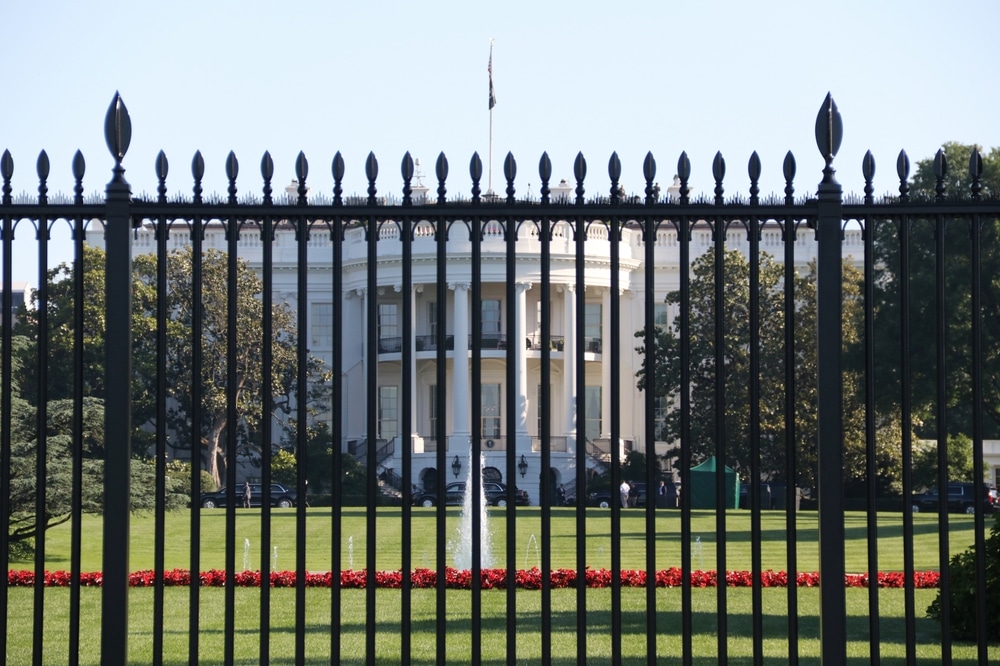
Last week, the Asbestos Disease Awareness Organization (ADAO) took significant legal action by filing a federal lawsuit aimed at acquiring records regarding asbestos inspection and removal related to the planned demolition of the White House East Wing in October 2025. This move underscores the organization’s growing concern about the potential risk of mesothelioma—a severe cancer linked to asbestos exposure—that legacy materials in the building could pose to both workers and the general public.
Mesothelioma and other diseases caused by asbestos exposure have led to over one million deaths globally in the past two decades. While many Americans believe that reduced asbestos usage has mitigated the risk, buildings constructed before the 1980s often still contain this hazardous material. As such, it remains crucial to implement rigorous safety protocols to ensure public health during demolition projects. In response to these concerns, various laws and regulations have emerged, emphasizing the importance of transparency in asbestos handling during such undertakings.
ADAO is dedicated to educating communities about the dangers of asbestos and empowering individuals to prevent exposure. The organization’s lawsuit claims that multiple federal agencies—including the National Park Service, the Department of the Interior, the U.S. Department of Labor, the Environmental Protection Agency (EPA), and the Executive Office of the President—have failed to respond adequately to Freedom of Information Act (FOIA) requests submitted in November. These requests sought documentation related to hazardous material identification and removal processes at the East Wing.
Older structures like the East Wing of the White House are often riddled with legacy asbestos, necessitating stringent precautions during demolition. This building was notably renovated during the 1940s and 1950s, a time when asbestos use was widespread. Linda Reinstein, president of ADAO, emphasized that “the White House should set the national standard for compliance with environmental and worker-safety laws governing asbestos.” Despite the White House’s assurance that hazardous material abatement was completed in September, they have yet to provide documentation confirming whether asbestos was identified, how it was managed, or what measures were taken to comply with EPA, Occupational Safety and Health Administration (OSHA), and District of Columbia regulations.
Federal law mandates that documentation regarding mesothelioma risk from legacy asbestos be meticulously maintained. Bob Sussman, a former senior EPA official representing ADAO, stated that federal agencies “must do more than make claims about their compliance with health and safety requirements; they must also disclose and document the actions they are taking to follow the law.” The lawsuit demands the release of essential documents, such as inspection reports, abatement permits, contractor licenses, air-monitoring data, waste shipment records, and inter-agency communications. To date, aside from the General Services Administration's confirmation of having no responsive records, all other agencies have missed statutory FOIA deadlines.
Reinstein concluded that “when a high-profile demolition of a historic structure likely containing asbestos takes place, the public needs and deserves transparency about the precautions taken to protect public health.” As the legal battle unfolds, the implications of this case could resonate far beyond the White House, potentially impacting how federal agencies manage asbestos in future renovations and demolitions across the country. The ADAO’s initiative highlights the critical need for safeguarding public health and ensuring that comprehensive protocols are followed, thus setting a precedent for managing asbestos risk nationwide.
If you or someone you love has been diagnosed with mesothelioma, the patient advocates at Mesothelioma.net are available to help. Contact them today at 1-800-692-8608 to learn more.
Apple's Shocking Comeback: How They Snatched the Top Spot from Samsung in 2023! You Won't Believe the Numbers!

White House Showdown: What Trump & US Bishops' Shocking Meeting Means for America!

Vievé's New Protein Bars: Are These the Secret to Losing 10 Pounds in Just 2 Weeks?

Could Your Sweet Tooth Be a Silent Killer? Shocking Studies Link Sugary Snacks to 80% Higher Dementia Risk!

Massive Outage: 20,000 Users Locked Out of Popular Social Media—Is Your Account Next?

Inflation Stays Stubborn at 5%: Is Your Wallet Safe? White House's Bold Move Could Change Everything!
You might also like: