
Le Pen's Shocking Court Battle: Could This Ban Doom Her 2027 Presidential Dreams?

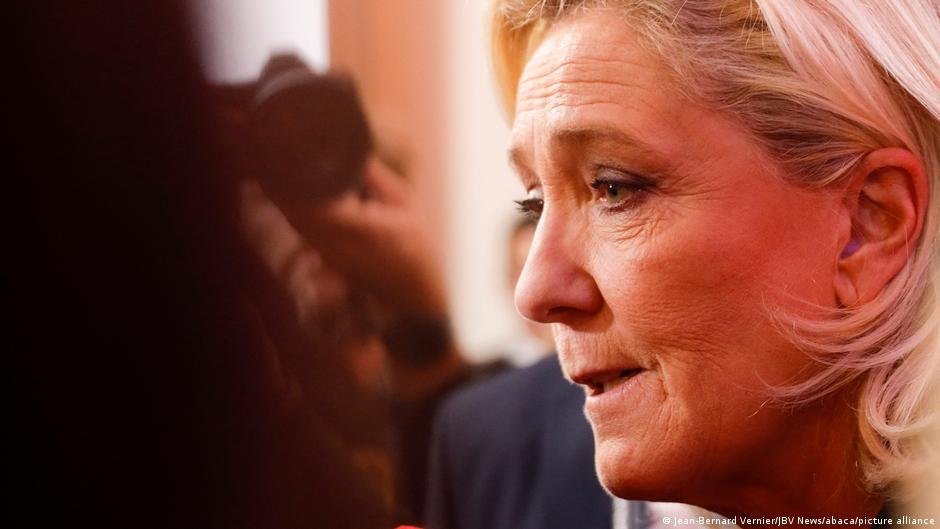
The French far-right leader, Marine Le Pen, is set to appear in court on Tuesday to appeal a ruling that prohibits her from standing for election for five years, following a conviction for defrauding the European Union. Le Pen, a prominent figure in French politics and a three-time presidential candidate, was found guilty alongside other members of her party, the National Rally (RN), for misusing EU parliamentary funds to pay for party staff.
Last year, Le Pen received a sentence of four years in prison, two of which were suspended, coupled with a hefty fine of €100,000 (approximately $116,000). This ruling has significant implications for her political future, particularly as she looks towards the 2027 presidential election, which many analysts consider her best opportunity to attain the presidency.
📰 Table of Contents
What’s at Stake in Le Pen's Appeal?
The 57-year-old Le Pen aims to overturn or shorten her sentence through this appeal, which could potentially clear the way for her to participate in the next presidential race. Current French President Emmanuel Macron is legally barred from running again, opening a political vacuum that Le Pen hopes to fill. Recent polling data from Le Monde indicates a substantial increase in public support for the ideas espoused by the RN, with 42% of French citizens now aligning with these views, up from 29% in 2022.
Even if the appeal court maintains the ruling but reduces the length of her sentence, Le Pen may still position herself as a viable candidate for the 2027 election. A decision on her appeal is expected this summer, making this a critical moment for her and her party.
Should Le Pen be unable to run, she has already indicated that her top lieutenant, Jordan Bardella, would step in as the party's candidate. A November poll suggested Bardella could emerge victorious in a second round against any other candidate, indicating a strong backup plan for the RN.
Le Pen's Political Background
Marine Le Pen has led the RN, formerly known as the National Front (FN)—a party founded by her father, Jean-Marie Le Pen—since 2011. Her leadership has been marked by efforts to rehabilitate the party’s image, distancing it from her father's controversial and often offensive rhetoric. Under her guidance, the party has sought to appeal to a broader electorate, focusing on issues like immigration and national sovereignty.
Le Pen has faced significant electoral challenges, having been defeated by Macron in the run-off during the last two presidential elections. In her view, the recent ruling against her was a "political decision" influenced by her party’s growing prominence, a sentiment echoed by far-right voices not only in France but also in places like the White House and the Kremlin.
As she prepares for her court appearance, the stakes are notably high—not just for Le Pen personally, but for the future of her party and the shifting landscape of French politics. Her appeal could either pave the way for a new chapter in her political career or stall her ambitions for years to come. The outcome will likely resonate not only in France but also within the broader context of European politics, where far-right movements are gaining ground.
Stocks Jump Amid Explosive White House-Fed Feud—Is Your Portfolio at Risk?

Discover the 5 Shocking Tea Blends You MUST Avoid - Experts Say They Could Ruin Your Day!

Why Fan Zhendong’s Defeated Teammates Sparked Outrage Among 1 Million Chinese Users!

Bison's Shocking 57% Revenue Surge: Are You Missing Out on This Game-Changing Investment?

Corgi Lands $108M—Is This the Future of Insurance or Just a Risky Gamble?

Shocking Transfer News: Top QB Sam Leavitt Chooses LSU Over Shocking Rivals—What It Means for Oregon!
You might also like: