
AI in Healthcare Just Made an Unbelievable Leap: Discover the Shocking Stats You Can’t Afford to Miss!


Over the past year, the integration of artificial intelligence (AI) in healthcare has advanced rapidly, particularly in the UK, where government initiatives and healthcare organizations have been actively working to harness the technology's potential. A significant aspect of this progress is the UK Government's launch of the AI Opportunities Action Plan, which aims to expand computing capacity, establish AI growth zones, and unlock data assets. These efforts were bolstered by a proposed timeline for delivery, signaling a commitment to embedding AI in the healthcare system.
In March, a comprehensive framework was introduced for implementing and monitoring AI within London’s health and care system. This framework focuses on five key areas: partnership, infrastructure and data, use cases, AI delivery approach, and communication and workforce development. It outlines governance structures, roles, and responsibilities while providing a roadmap for scaling AI solutions and ensuring their effective deployment.
June saw the publication of a series of human-centered frameworks and a practical toolkit to support the safe implementation of generative AI. The toolkit includes nine critical tips for leaders, structured around three stages: adopt, sustain, and optimize. These recommendations drew upon the deployment of the generative AI tool Assist, which has been utilized across more than 200 government organizations.
Enhancements to the NHS App were also announced by the Department of Health and Social Care (DHSC). A new tool called My Companion will enable patients to access trusted health information, articulate their health needs, and gather information about health conditions and upcoming procedures. This feature aims to empower patients and improve communication between healthcare providers and individuals.
In July, the Care Quality Commission (CQC) issued guidance regarding the use of AI in GP services, emphasizing safety and compliance. Assessors will evaluate whether AI tools are procured according to relevant evidence and regulatory standards, such as DCB0160 and DTAC. The guidance also mandates that practices must have a responsible Chief Safety Officer and digital lead overseeing AI technologies, as well as a hazard log and risk assessments to ensure patient safety.
September marked the establishment of the National Commission on the Regulation of AI in Healthcare, which aims to address regulatory hurdles and fast-track the use of AI in the NHS. This commission, comprising global AI experts, clinicians, and regulators—including representatives from tech giants like Google and Microsoft—will advise on rewriting regulatory frameworks for AI in healthcare, with a new set of rules expected by 2026.
As part of its ongoing efforts, the Medicines and Healthcare products Regulatory Agency (MHRA) called for public input on the regulation of AI in healthcare. This initiative seeks to gather insights from clinicians, industry professionals, and healthcare providers to modernize rules while prioritizing patient safety as AI technology evolves.
AI Implementation Strategies in Health Systems
Several Integrated Care Systems (ICSs) have laid out their AI strategies in detail. For instance, the South West London ICS has included AI automation as a core theme in its digital strategy for 2025-2028, committing to a thoughtful integration of AI and machine learning. The North London NHS Foundation Trust aims to enhance operational efficiency and reduce costs through AI, specifically focusing on AI-enhanced triage and natural language processing to streamline clinical workflows.
Similarly, the Somerset NHS Foundation Trust has taken proactive measures to inform patients about the use of AI in their care, emphasizing transparency during appointments where ambient AI may be employed for real-time dictation. Patients will be notified beforehand, with the option to opt out without affecting their care quality.
In July, the Alder Hey Children’s NHS Foundation Trust released an AI Strategy detailing its current and future AI initiatives, which include plans for remote monitoring and clinical decision support systems. Great Ormond Street Hospital also published a strategy focused on personalized treatment and effective resource management through AI-driven solutions.
More granular insights from various trusts reveal significant activity in the adoption of AI. For example, Black Country Healthcare reported extensive use of tools like ChatGPT and Microsoft Copilot, while Cambridge University Hospitals formed an AI steering group to guide its AI efforts. The Welsh Ambulance Services University NHS Trust is now in the second phase of a Microsoft Copilot pilot, aiming to refine its use of AI in clinical workflows.
As AI continues to evolve in healthcare, it is crucial for organizations to establish governance frameworks that ensure safe and effective deployment. Initiatives from Doncaster and Bassetlaw Teaching Hospitals NHS Foundation Trust and South West Yorkshire Partnership Teaching NHS Foundation Trust illustrate the importance of structured oversight, risk assessment, and transparency in communication surrounding AI technologies.
Overall, the last year has seen significant strides in the adoption and integration of AI across the UK healthcare landscape. The combination of governmental support, operational strategies, and a focus on patient engagement underscores a collective effort to leverage AI’s capabilities responsibly and effectively. As healthcare systems navigate this transformative landscape, the emphasis on safety, governance, and transparency will be critical in ensuring that AI technologies enhance patient care without compromising safety.
College Football's Shocking Playoff Expansion: Why Fans Are Furious and What You Must Know!

You Won't Believe These 3 Meal Prep Hacks Could Save You 10 Hours a Week—Start Now!

You Won't Believe Which Dryden Grad Just Became Le Moyne's Head Coach—Is This the Start of Something BIG?

Is North Charleston's District 1 Election the Most Controversial Vote of 2024? Don't Miss This!
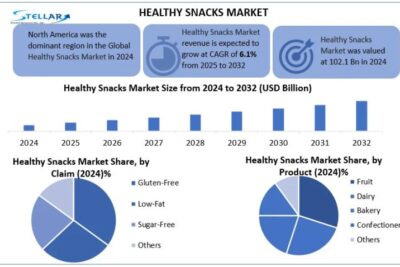
You Won't Believe How the $28 Billion Healthy Snacks Market Could Change Your Life Forever!
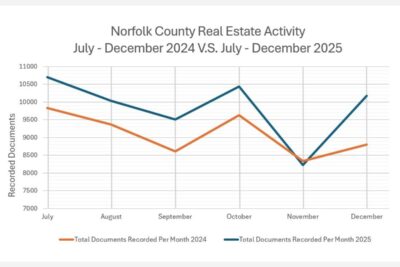
Norfolk County Real Estate Prices Skyrocket by 25% in December—Are You Missing Out?
You might also like: