
The Shocking Truth: 85% of Consumers Are Ignoring This Health Crisis—Are You One of Them?

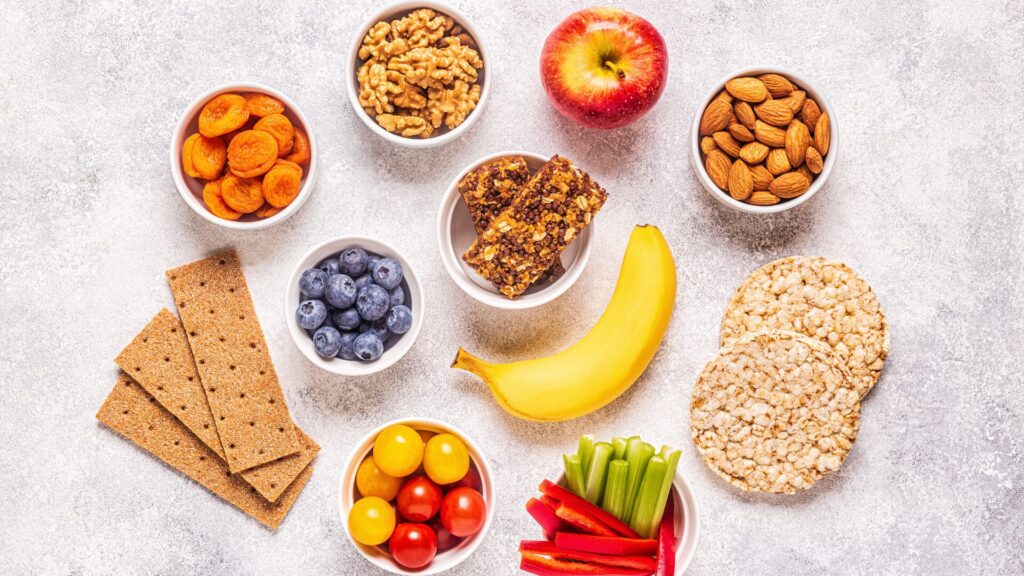
As the world shifts toward a more health-conscious mindset, the food and beverage industry is experiencing a significant transformation. Kristen Walters, a partner at Forvis Mazars US, notes that “the health-forward movement is evolving beyond traditional wellness.” American consumers are increasingly prioritizing health in their food choices, influenced by a variety of factors that include the rise of GLP-1 weight-loss drugs, a growing demand for cleaner labels, and initiatives like the recent call to “Make America Healthy Again.” This cultural shift is creating a new landscape for food brands and consumers alike.
Geoffrey Russo, global insights and impact director at Eat Well Global, Inc., emphasizes that “food brands must make nutrition strategy part of their overall brand strategy.” Today’s consumers are not just looking for indulgence; they want products that contribute positively to their health. This includes everything from portion control to the incorporation of less-processed ingredients and beneficial macronutrients. The scrutiny surrounding synthetic colorants and additives has pushed major companies, including Walmart and Nestlé, to pledge gradual removal of these components from their offerings.
This drive for transparency and trust is critical. Russo advises brands to engage their audiences through credible, clear, and consistent messaging. Such strategies are particularly effective for challenger and specialty brands, which often cater to niche markets with tailored solutions. “Often built around a single benefit, be it plant-based credentials, functional health, or ethical sourcing, challenger brands are able to speak directly to consumer desires in a way that feels fresh and authentic,” says Patrick Young from PRS IN VIVO. In a saturated marketplace, having a narrow focus can serve as a significant advantage.
However, established brands are also stepping up their health-focused initiatives. A recent example is Starbucks, which introduced a line of protein-infused coffee. This development raises eyebrows as it reflects the extremes to which the health movement can extend, while also hinting at the broader implications of macronutrient fortification in the beverage industry. Matt Bachmann, co-founder of Wandering Bear Coffee, comments, “Our point of view: the future looks like great-tasting, macronutrient-smart coffee – not wellness theater.” This perspective indicates a trend toward making health both appealing and practical.
Additionally, with health-focused activities, such as gym visits, now engaging 25% of the U.S. population, there are increasing opportunities for brands to connect with fitness enthusiasts. This trend illustrates a significant shift in consumer behavior, where health and wellness are no longer niche interests but mainstream values.
The Health & Wellness Calibration
Nicole van Zanten, co-president and chief growth officer at ICUC.Social, points out that “health-forward” is no longer limited to just clean ingredients; it also encompasses balance, mental health, and environmental sustainability. As consumers seek products that align with their lifestyle goals and values, the focus on social and environmental responsibility is becoming more prominent. Ongoing policy changes, like the European Union Deforestation Regulation, and corporate commitments toward carbon neutrality are compelling the food industry to reassess its environmental impact.
Social media plays a crucial role in this transformation, allowing consumers to discover tailored products and better understand company positions. Today’s definitions of “functional” in food products have evolved, moving from narrow nutritional benefits—like adaptogens and nootropics—to a broader spectrum that addresses multiple health needs. Bachmann suggests that this shift has made the health and wellness movement more accessible, integrating features like protein and fiber into mainstream diets.
The overall ethos of “food as medicine” continues to thrive, supporting both physiological and psychological well-being. As brands navigate this complex landscape, the demand for products that cater to diverse health needs offers promising opportunities. The evolving relationship between consumers and food brands highlights a collective journey toward a healthier society, making it clear that the future of food is not just about taste and satisfaction, but also about contributing to personal and communal well-being.
Minister's SHOCKING Revelation: How Social Media Lies Could Cost You $10,000! Are You at Risk?

San Francisco’s AI Gold Rush: Why 70% of Tech Jobs Are STILL Vanishing!

Unlock the Secret: 5 Shocking Foods You MUST Stock for a Healthier Kitchen in 2026! Don't Get Left Behind!

From Hand Model to Billionaire Broker: How Ryan Serhant Turned $150 an Hour into 9-Figure Deals!

Shocking Election Twist: Who's Replacing Guridy in the House District Race—and What It Means for You!

This One Night-Time Habit Could Skyrocket Your Blood Pressure by 30%—Find Out What It Is!
You might also like: