
G20 Leaders Promised Stability—Now They’re Ignoring Climate Crisis and Debt! What’s Next?

The Group of Twenty (G20), which originated in response to the 1997 financial crisis triggered by the collapse of the Thai currency, was designed to stabilize the global economy and avert future crises. Initially, finance ministers and central bank governors from major economies gathered to maintain global economic stability. Today, the G20 has evolved into a voluntary international forum comprising the advanced capitalist nations of the Group of Seven (G7)—Canada, France, Germany, Italy, Japan, the United Kingdom, and the United States—alongside emerging economies such as Brazil, China, India, and others, representing a broad spectrum of the world's economic landscape.
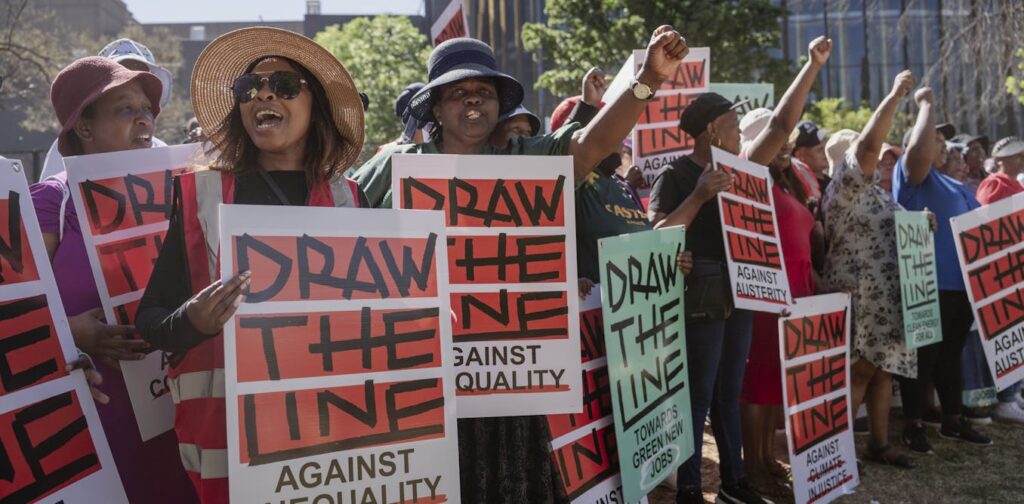
However, despite its significant representation, the G20 faces substantial criticism for its inability to address critical global issues such as climate change, rising debt levels, and profound social inequality. These overlapping crises, described as a "polycrisis," are intensifying social tensions and destabilizing political systems worldwide, raising the stakes for meaningful global action.
📰 Table of Contents
Shortcomings of the G20 in Addressing Global Crises
The G20’s foundation as a forum primarily focused on safeguarding the capitalist financial system has significantly influenced its approach to global issues. Since the 2008 financial crisis, the G20 has often mobilized to protect capitalism rather than advance equitable development. For instance, the coordinated response to the 2008 crisis involved the U.S. Federal Reserve leading a buy-up of government and commercial bonds to inject liquidity into the economy. This strategy, while stabilizing financial markets, had severe global repercussions. Central banks maintained artificially low interest rates, which, while making borrowing cheaper, primarily benefited corporations. This led to asset bubbles and increased speculation, rather than investment in job-creating businesses, contributing to inflation and economic hardship for ordinary people.
In capitalist economies, the way capital is deployed can either foster productive growth—building factories and creating jobs—or lead to speculative ventures that enrich a few at the expense of many. Unfortunately, the G20 has largely prioritized the former, preserving financial systems without cultivating real economic development.
For example, South Africa's experience under the G20 presidency in 2025 starkly illustrates these systemic failures. The country is grappling with a staggering unemployment rate of 31.9%, with nearly half (44.9%) of its working-age population either unemployed, underemployed, or discouraged from seeking work. This represents a significant human cost of over-financialization, where speculative investment overshadows productive enterprise, leaving vast numbers of people without meaningful employment opportunities.
Next Steps for the G20 and Global Cooperation
As the G20 continues to protect a capitalist system that is prone to crises, the urgent need for transformative action has never been clearer. The climate crisis particularly demands immediate attention. Political economists and scientists are actively exploring methods to adapt society and the environment to extreme weather, including moving away from fossil fuels toward green energy. However, many African countries cannot make this transition while under the weight of crippling debt.
A series of critical steps must be taken to address these challenges:
-
African nations currently spend more on debt repayment than on essential services such as health, education, and security. This inequity must be addressed, and wealthier nations should fulfill their promises of development aid instead of further entrenching the global south in debt through climate loans.
-
As the G20 presidency shifts to the U.S. in 2026, it is crucial for South Africa to collaborate with nations and groups willing to support its development goals, fostering a community of nations built on empathy and shared interests.
-
The influence of private credit rating agencies, which often unfairly assess poorer countries, must be curtailed to facilitate access to necessary funding.
-
Development finance should be directed toward climate adaptation initiatives in the global south.
-
Furthermore, the African Union and other regional organizations must work together to develop a unified position on significant global issues, advocating for climate finance, debt justice, and equitable development aid.
The G20’s continued emphasis on stabilizing financial systems over addressing urgent social and environmental crises underscores a pressing need for reform. As global challenges intensify, the organization's capacity to initiate real, transformative action will be crucial in shaping a sustainable future for all nations.
India's Shocking Plan: Will Smartphone Makers Be Forced to Hand Over Secrets? You Won't Believe the Fallout!

You Won't Believe How the Bulls Shocked the Mavericks with a 125-107 Stunner – Find Out the Game-Changing Moment!

Disney’s Shocking Move: Why Their 2% Stake in Webtoon Could Change Everything—Are You Ready?

Fired for Innovation! Now This Manager Wants Him to Fix Her Mistakes—Will He Help?
This One Shocking Habit Will Make Your New Year’s Fitness Resolutions Fail – Find Out Now!

AppLovin’s Shocking 108% Surge: What Investors Are Fearing—and Why You Can't Afford to Ignore It!
You might also like: