Bill Gates Warns: Could AI Become a Deadly Bioweapon? Shocking Details Inside!

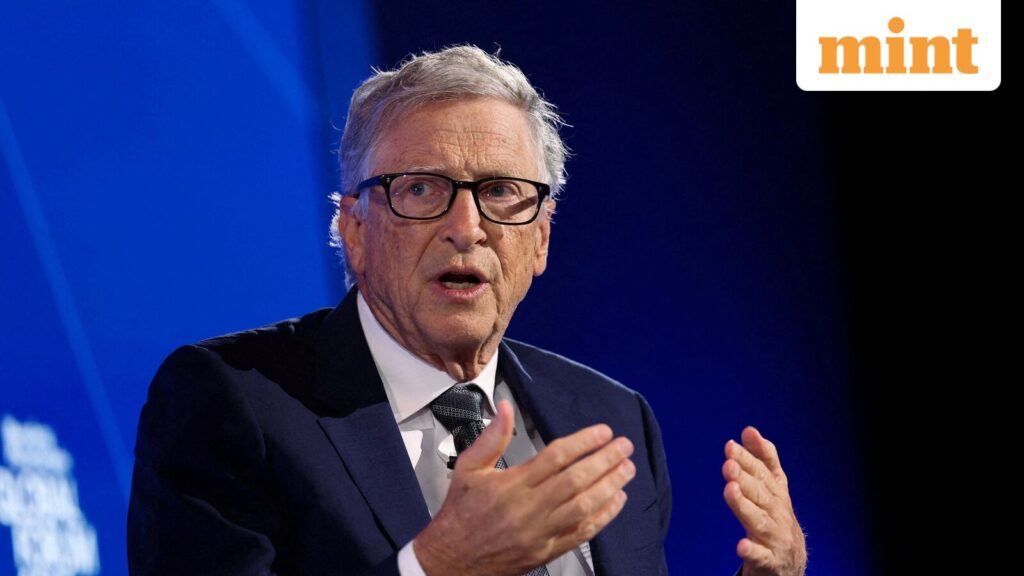
In his annual letter for 2026, Microsoft co-founder Bill Gates issued a stark warning about the potential misuse of artificial intelligence (AI) by malicious actors, particularly in the context of bioweapons. Gates, who has long been an advocate for technological innovation, maintains an optimistic outlook about AI’s transformative potential while recognizing its associated risks. He stated, “We are far better off than when I was born 70 years ago. I believe the world will keep improving, but it is harder to see that today than it has been in a long time.”
Gates emphasizes the profound impact AI will have on society, noting that it is poised to be the most significant human creation to date. He remarked, “Of all the things humans have ever created, AI will change society the most. It will help solve many of our current problems while also bringing new challenges very different from past innovations.” His comments come amidst growing discussions surrounding the pace of AI development and its implications for various sectors.
Despite some timelines for achieving artificial general intelligence (AGI) being missed, Gates is confident that advancements in AI will continue to accelerate, stating, “AI will not plateau before exceeding human levels.” However, he outlined two major challenges that must be addressed in the coming decade: the potential for AI to be exploited by bad actors and the resulting disruption to the job market.
Drawing parallels to his 2015 TED talk, where he warned that the world was not adequately prepared for a pandemic, Gates expressed concern that if similar warnings regarding AI are not heeded, the consequences could be dire. He pointed out the current risk of non-governmental organizations using open-source AI tools to create bioterrorism weapons. This possibility represents a significant escalation in the threats posed by technology.
Gates also addressed the expected upheaval in the job market due to AI advancements. He explained that “AI capabilities will allow us to make far more goods and services with less labor.” This raises important questions about how to allocate these new capabilities for the benefit of everyone. He believes that as AI matures, society could see a reduction in the workweek or even decide to limit AI applications in certain fields.
“The rate of improvement is already starting to be enough to disrupt job demand in areas like software development,” Gates noted. While sectors like warehouse work and customer service are not experiencing immediate disruption yet, he anticipates that as AI technologies become more capable, job displacement in these areas will occur sooner rather than later.
The Promising Side of AI
Despite his concerns, Gates remains hopeful about the positive effects AI could have, particularly in the healthcare sector. He stated, “I believe we can improve healthcare dramatically in all countries by using AI not only to accelerate the development of innovations but also directly in the delivery of healthcare.” However, he acknowledged that developers still face challenges related to reliability and integration with healthcare professionals, like doctors and nurses.
Gates expressed optimism that solutions will soon emerge, allowing for broader access to AI-enhanced healthcare on a global scale. This duality of AI—its potential to both uplift and disrupt—captures the essence of the ongoing conversation about technology’s role in society. As the technology continues to evolve, it will be crucial for both public and private sectors to prioritize responsible development and governance, ensuring that the benefits of AI can be harnessed while mitigating its risks.
In conclusion, while Gates underscores the transformative possibilities of AI, he equally stresses the importance of vigilance against its potential misuses. As the world grapples with these challenges, it will be essential to strike a balance between innovation and precaution. This ongoing dialogue will shape not only the future of technology but also the very fabric of our society.
Bill Maher’s SHOCKING Take on Climate Change: You Won’t Believe What He Says About Private Jets!

Chinese Startup's Shocking EV Battery Breakthrough Secures Millions—Will This Change Everything?

I Thought I Was Middle Class—7 Shocking Realities of Wealthy People That Changed Everything!

You Won't Believe Who's Secretly Pulling the Strings in the 2026 West Side Elections!

You Won't Believe Why Indiana is Set to Dominate the 2025 College Football Playoff Over Miami!

Is the New Food Pyramid a Dietitian's Nightmare? 7 Shocking Truths You Can't Ignore!
You might also like: