
This $20 Fitness Gadget Could Transform Your Bones and Melt 10 Pounds—Discover How!

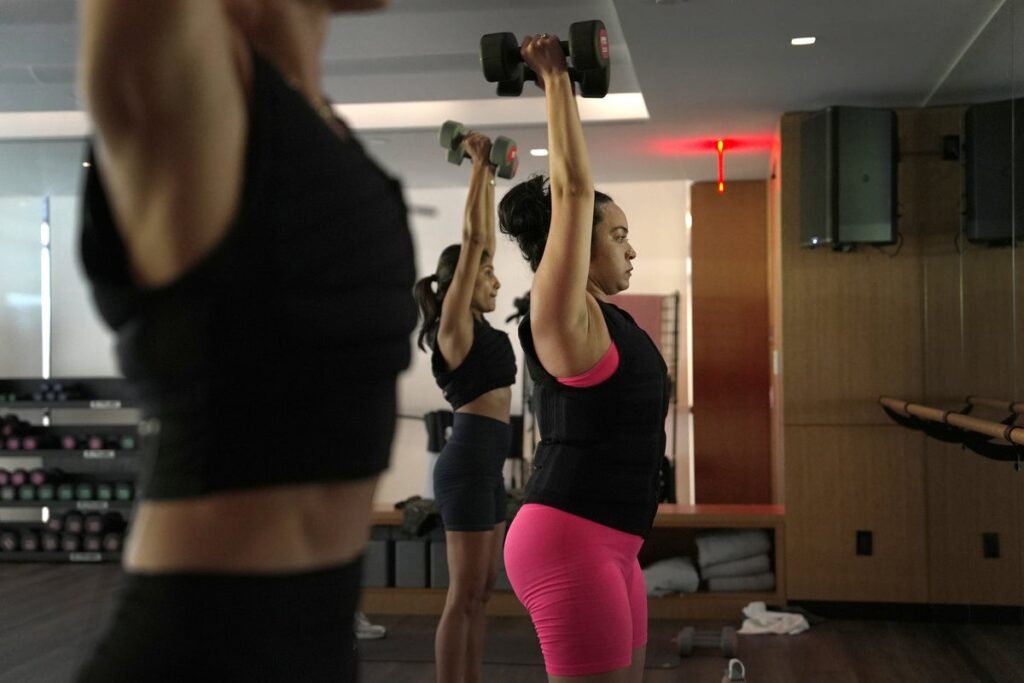
As health and fitness trends continue to evolve, many fads come and go, leaving consumers bewildered by what truly works. Remember the infamous vibrating belts and sauna suits? These days, weighted vests are gaining traction, appealing to those looking to enhance their workouts and overall physical activity. Made from durable fabrics like nylon and filled with iron sand or small weights, these vests are not just a passing trend; they represent a significant shift in how we think about exercise.
Weighted vests have a long history but have recently surged in popularity as more people seek to maximize the health benefits of their daily movements—whether it’s walking, climbing stairs, or performing household chores. They offer a straightforward way to add resistance to these activities, allowing individuals to reap the benefits of strength training without requiring additional time or complex equipment. This aligns with a growing philosophy that champions seamless integration of exercise into our everyday routines.
As a researcher in health and exercise science, I have studied the effects of exercising with weighted vests extensively. These vests provide a low-tech, high-impact way to incorporate resistance training into daily life. Research shows that adding weight can significantly aid in building muscle and bone density, as well as support weight loss and maintenance.
📰 Table of Contents
The Physiology Behind Weighted Vests
The human body is remarkably adaptive, particularly when it comes to responding to environmental stressors. Weighted vests introduce mechanical stress, compelling muscles and bones to endure greater force than they typically would. This stress encourages the brain to recruit muscle fibers more effectively, which can enhance strength and performance and potentially reduce the risk of injury.
Moreover, carrying added weight stimulates the cardiovascular system, leading to improved heart health. It also enhances balance and proprioception—key factors in preventing falls and fractures, especially in older adults. Noteworthy research in aging, obesity, and mobility science underscores the meaningful benefits of using weighted vests:
- In a 2002 study, older adults wearing weighted vests during a 12-week stair-climbing exercise program exhibited greater muscle power and leg performance.
- A 1993 study indicated that bone density increased modestly in older women utilizing a weighted vest during weekly low-level exercise classes. A 2003 study found significant improvements in hip bone density for subjects who wore weighted vests during 32 weeks of walking and strength training.
- Most recently, my research group discovered in a 2025 study that older adults who wore weighted vests for 10 hours daily while dieting managed to regain less weight over the following year compared to those who were dieting without vests.
These findings highlight that while weighted vests can be beneficial, they are not a cure-all. For instance, my research, particularly the randomized clinical trial known as INVEST in Bone Health, sought to determine whether these vests could support bone health during weight loss. In this study, 150 older adults with obesity, averaging 66 years, participated in a 12-month weight loss program that included meal replacements and behavioral counseling. This group was divided into three segments for analysis.
The first group focused solely on weight loss, while the second wore adjustable weighted vests for eight hours a day, with their load adjusted to reflect any weight lost. The third group engaged in supervised resistance training alongside their weight loss activities. At the end of the year, all participants had lost approximately 10% of their body weight, a positive outcome, but they also experienced declines in hip bone density ranging from 1.2% to 1.9%. Notably, the use of weighted vests did not prevent this bone loss when compared to the weight loss group without vests, and neither did resistance training.
However, both the weighted vest and resistance training groups showed increased markers of bone formation, suggesting a potential for long-term skeletal benefits. Interestingly, our recent findings suggest that weighted vests may more effectively benefit bone health in women than in men, possibly due to sex differences in bone sensitivity. Additionally, evidence indicates that standing more while wearing these vests can positively influence bone health.
Getting Started with Weighted Vests
If you're considering incorporating a weighted vest into your routine, it’s crucial to start slowly to avoid injury. Consulting with your doctor is advisable, particularly if you are new to exercise. For ongoing benefits, gradually increase the amount of exercise you perform. In our clinical trials, we add a weight equal to one-eighth of an ounce for every eighth of an ounce a participant loses to maintain a consistent load on the muscles and bones.
It’s essential to remember that weighted vests are not one-size-fits-all. They should not hinder your posture, breathing, or gait. Be vigilant for signs of discomfort, including hunching, a shortened walking stride, or lower back pain. If you experience pain, remove the vest and consult a clinician or physical therapist for guidance.
In conclusion, while weighted vests are a promising tool for enhancing physical activity and potentially improving overall health, the results depend significantly on how they are used. They represent a tangible opportunity to integrate resistance training into the fabric of everyday life.
Is Social Media Dying? Shocking Data Reveals the Truth You Need to Know NOW!

Trump's Shocking $6.2M Demand from Fani Willis: What’s He Planning Next? You Won’t Believe It!

China's Shocking Decision: Meta's AI Startup Deal in Jeopardy—What’s at Stake?

Trump's Shocking Call to Petro: What 3 Secrets Were Revealed That Could Change Everything?
You Won't Believe What Happens When Your Request Gets Denied - Shocking Consequences Revealed!

Pennsylvania's Josh Shapiro Just Unveiled a Shocking 2028 Plan—What He’s Hiding Will Leave You Speechless!
You might also like: