
Trump's Shocking $6.2M Demand from Fani Willis: What’s He Planning Next? You Won’t Believe It!

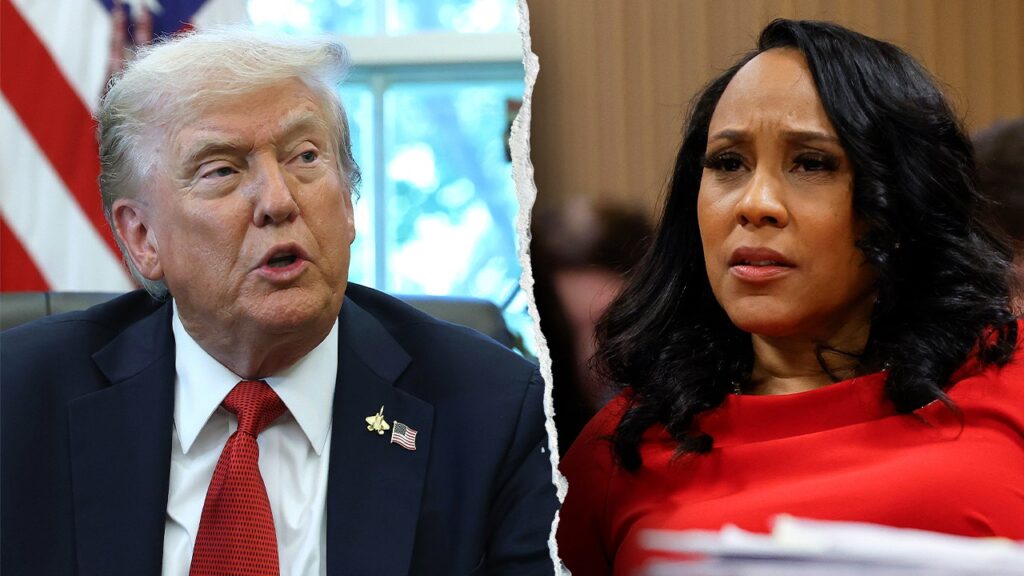
In a significant legal turn, former President Donald Trump is seeking reimbursement of over $6.2 million in attorney fees from Fulton County District Attorney Fani Willis. This request follows the dismissal of the 2020 election interference case against him, a case that was eventually deemed legally unsustainable after Willis was permanently sidelined from prosecution due to an "appearance of impropriety" related to her personal relationship with special prosecutor Nathan Wade.
The Georgia Court of Appeals ruled last September that Willis could not continue her prosecution, which ultimately led to the case's dismissal in November 2023. Under a law passed by Georgia state legislators last year, defendants in disqualified cases are entitled to request reimbursement for "all reasonable attorney's fees and costs incurred" in their defense. The responsibility for reviewing such requests and awarding fees lies with the judge overseeing the case, with payments coming from the budget of the prosecutor's office.
Trump's lead attorney, Steve Sadow, stated, “In accordance with Georgia law, President Trump has moved the Court to award reasonable attorney fees and costs incurred in his defense of the politically motivated, and now rightfully dismissed, case brought by disqualified DA Fani Willis.” In a motion filed on Wednesday, Trump specifically requested the court to award him $6,261,613.08 for his legal costs.
The initial indictment from Willis accused Trump of pressuring state officials to overturn the results of the 2020 election in Georgia, facilitating the creation of "fake electors," and harassing election workers. These serious allegations led a Fulton County grand jury to indict Trump and 18 others in August 2023, prompting his surrender at the Fulton County Jail on August 24.
As this legal battle unfolds, Willis’s office has voiced concerns regarding the legitimacy of the statute that allows defendants to pursue reimbursement for attorney fees. In a motion filed last month, they expressed that the law raises "grave separation-of-powers concerns" by potentially imposing financial liability on elected officials for carrying out their constitutional duties. The motion further argued that the law retroactively imposes a "novel fee-shifting scheme," which could create an undue burden on taxpayers without any recourse.
Legal experts and observers are closely watching how this situation will develop, especially considering the broader implications of the statute that permits reimbursement requests. The outcome could have far-reaching consequences not only for Trump but also for future prosecutorial conduct in Georgia and potentially across the country. It raises questions about accountability and the limits of prosecutorial authority, particularly when personal conduct might affect the integrity of criminal cases.
As this saga continues, both Trump's legal team and Willis’s office are expected to engage in further legal maneuvering that could further define this unique intersection of law and politics. As stakeholders react to these developments, the story remains a vivid illustration of the ongoing complexities surrounding the legal ramifications of the 2020 election and its fallout.
China's Shocking Decision: Meta's AI Startup Deal in Jeopardy—What’s at Stake?

Trump's Shocking Call to Petro: What 3 Secrets Were Revealed That Could Change Everything?
You Won't Believe What Happens When Your Request Gets Denied - Shocking Consequences Revealed!

Pennsylvania's Josh Shapiro Just Unveiled a Shocking 2028 Plan—What He’s Hiding Will Leave You Speechless!

R.I. Governor’s Shocking Millionaires Tax Proposal: Will You Be Affected by Trump’s Cuts?

Why This Popular Health Brand Gave Up on 'Healthy' to Survive—What They Discovered Will Shock You!
You might also like: