
Is Your Brand Doomed? 7 Surprising Social Media Strategies for 2026 You Can’t Afford to Ignore!

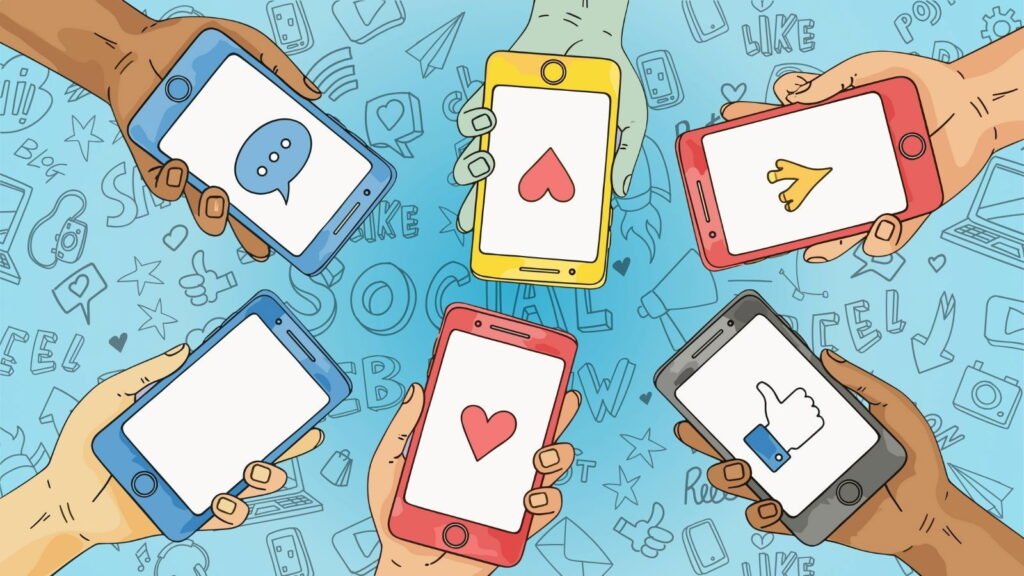
In 2025, the digital landscape transformed into a battleground for attention, with online users increasingly feeling overwhelmed by saturated feeds and relentless trends. A recent social media report revealed that one in four internet users experienced feelings of digital fatigue. This backlash against content overload has prompted a significant shift in how brands communicate and engage with audiences, a trend that is set to continue into 2026.
The "Year Ahead in Social 2026" report by Battenhall outlines several key forces reshaping the platform economy, indicating that control has shifted from brands to audiences. As social media evolves, the power dynamics are changing, and brands need to adapt or risk being left behind.
Five Forces Reshaping Social Media in 2026
Among the most influential trends is the rise of Gen Alpha, the first generation to grow up in a fully mobile-first, always-on environment. The oldest members of this cohort will turn 16 in 2026. While they are tech-savvy, their awareness of screen fatigue shapes their online interactions. Instead of passive consumption, Gen Alpha craves customization, co-creation, and community engagement. Platforms like Roblox, Minecraft, and YouTube serve as social spaces where two out of five Gen Alpha gamers prefer games allowing them to create and build. This generation is also values-driven, with 61% prioritizing helping others, greatly influencing how they engage with brands.
For marketers, the takeaway is clear: Gen Alpha responds best to short-form video, gamified experiences, and influencer content rooted in authentic community connections—eschewing hard-sell tactics.
Another significant trend is the concept of crowd control. The report highlights that controlled brand storytelling is becoming obsolete. With the rise of online opinion, outrage, and remix culture, campaigns can be amplified or dismantled in mere hours. Brands are navigating a precarious balance between stimulating conversation and risking alienation. A prime example is American Eagle, whose controversial campaign featuring Sydney Sweeney sparked backlash but also led to a 25% rise in stock value. Conversely, Arc'teryx faced swift criticism for an environmentally irresponsible fireworks stunt in the Himalayas, resulting in the campaign's immediate withdrawal and an apology.
The report further notes that the viral nature of campaigns can be a double-edged sword. For instance, Jet2’s widely remixed slogan “Nothing beats a Jet2 holiday” has garnered immense exposure, yet the brand has lost control over the tone and context of the messaging. Thus, the ability to anticipate reinterpretation and respond with speed and authenticity is crucial for brands.
In the realm of influencer marketing, AI-generated influencers have solidified their presence, with mentions increasing by 50% in the first five months of 2025. A reported 63% of marketing professionals plan to utilize AI and machine learning within their strategies. High-profile virtual personalities like Lil Miquela, Imma, and Shudu have collaborated with brands such as Prada, Samsung, and BMW. However, concerns about authenticity and transparency remain prevalent, as 37% of consumers express distrust toward brands relying solely on AI influencers. The future may lie in hybrid models, combining AI's scalability with the emotional resonance that human creators provide, as demonstrated by campaigns from companies like Coach and Samsung.
As social media celebrates its 20th anniversary, a resurgence of long-form content and community-driven platforms is evident. Platforms like Substack, which grew by 56% year-on-year, and Reddit, now boasting over 900 million monthly users, reflect this trend. Brands are increasingly engaging through AMAs and niche communities, signaling that private interactions are becoming more relevant than public posts. Instagram has noted that direct messages now drive significant engagement, while platforms like Discord thrive on focused, interest-driven communities.
Despite the ongoing popularity of trend-hopping, audiences are growing weary of brands inserting themselves into viral moments without genuine relevance. The report highlights missteps, such as Ironman’s poorly received TikTok attempt, contrasted with brands like Duolingo and Currys, which have successfully leveraged their brand lore and audience insights. The future may lean towards serialized storytelling and long-form social content, as platforms expand video limits and audiences increasingly favor depth over speed.
Battenhall’s insights signal a profound shift for brands: the era of controlled storytelling is waning. Success in 2026 will hinge on embracing authenticity, community participation, and storytelling that reflects real values. As the report succinctly states, “Brands that accept that reality—and build with their audiences rather than at them—will be the ones that last.”
Shocking Allegations: What the Chiefs Reveal About Rashee Rice’s Disturbing Past Will Leave You Speechless!

Trump's Secret Move: What Happens Now That He’s Abandoned the Climate Treaty? Shocking Consequences Await!

US Pulls Out of 66 International Agreements Overnight—What Does This Mean for Our Future?

USC's Makai Lemon Might Join This SHOCKING NFL Team—Fans Are DIVIDED! Are You Ready to Find Out?
You Won't Believe How Much iPhones Are Worth After 5 Years—The Shocking Truth!
Demond Williams vs. Washington: Is This Shocking Transfer Portal Drama About to Explode?
You might also like: