
Michigan Doctors SOUND ALARM: Trump's Vaccine Cuts Could Endanger 1 Million Lives—Find Out How!

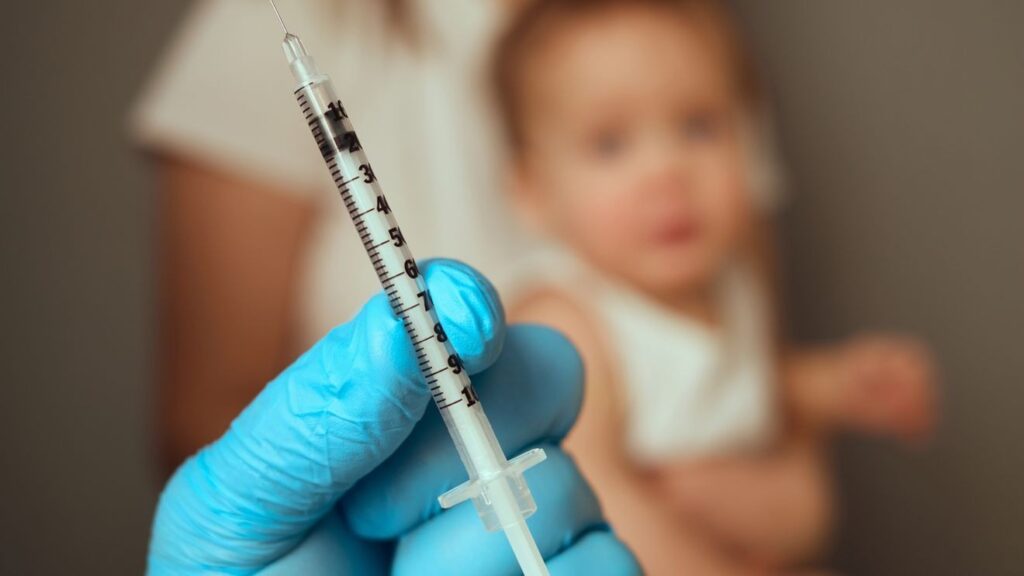
KALAMAZOO, Mich. — Michigan health professionals are raising alarms over a recent decision by the Trump Administration to revise vaccine recommendations for children, a move they argue could undermine public health. Leading medical groups have expressed concerns that this change will weaken protections against a range of diseases that can significantly impact children’s health.
Starting immediately, the U.S. Centers for Disease Control and Prevention (CDC) now recommends that children be vaccinated against only 11 diseases, down from the previous list. Notably, vaccines for influenza, rotavirus, hepatitis A, hepatitis B, some forms of meningitis, and respiratory syncytial virus (RSV) will no longer be universally recommended. Instead, these vaccines are now only advised for certain high-risk groups.
“At a time when we're having influenza outbreaks here in our community, healthy children in Michigan die of influenza; it’s a vaccine-preventable disease,” said Doctor William Nettleton, Medical Director of the Kalamazoo County Health and Community Services Department.
Dr. Nettleton emphasized that this decision could lead to an increased risk of outbreaks of vaccine-preventable diseases. He noted that the administration's changes stem from President Donald Trump’s directive last year to review vaccine policies in other countries. Robert F. Kennedy Jr., Secretary of U.S. Health and Human Services, stated that the objective is to align the U.S. childhood vaccine schedule with international consensus while enhancing transparency and informed consent.
However, Dr. Nettleton believes this approach will likely sow confusion and doubt about vaccines among parents and healthcare providers. “We're already receiving some questions and phone calls about who we should follow for vaccine advice,” he added, underscoring the potential for misalignment between federal recommendations and state regulations.
While CDC guidelines often influence state policies, individual states retain the authority to require specific vaccinations for schoolchildren. “Think about it in terms of reducing risk; less vaccines is not better,” Dr. Nettleton asserted. The Michigan Department of Health and Human Services (MDHHS) also expressed opposition to the Trump Administration's decision, stating, “For decades, vaccines have played a critical role in the prevention and control of infectious diseases and significant reductions in childhood illnesses and fatalities.”
In light of these developments, Michigan’s Chief Medical Executive, Dr. Natasha Bagdasarian, has issued a Standing Recommendation advising healthcare providers and families to adhere to the immunization schedule provided by the American Academy of Pediatrics (AAP) or the American Academy of Family Physicians (AAFP). Dr. Bagdasarian acknowledged that the recent changes may create confusion regarding school vaccine requirements and the use of combination vaccines.
“MDHHS will continue to provide clear guidance, backed by science, to help protect Michigan families,” Dr. Bagdasarian affirmed.
Federal data indicates a concerning trend: vaccination rates in the U.S. have been declining, with the percentage of children with exemptions reaching a record high of 3.6%, up from 3.3% the previous year. This decline comes amid rising rates of preventable diseases, highlighting the tangible risks associated with decreased vaccination coverage.
Despite the administration's assurances that families seeking vaccines will not lose access and that insurance will continue to cover costs, the mixed messaging surrounding vaccine recommendations raises important questions about public health strategy. As the nation grapples with the implications of these policy changes, the focus remains on ensuring the health and safety of all children.
Dionne Warwick, Saweetie, and Mya Just Made a Shocking Climate Change Pledge—Will It Change Everything?

New York's Shocking Vaccination Secret: Why Parents Are Fuming Over the Latest Changes!

You Won't Believe What Vievé's New Protein Bars Are Hiding—This Could Change Your Snacking Forever!

Is Your Favorite Fitness Brand on the Verge of Collapse? Shocking 2026 Predictions Inside!
Why 97% of Users Are Shocked by THIS Page Access Denial – You Won't Believe What Happens Next!

ETH Staking Queues Plummet to Almost Zero! Is a Major Crash Imminent? Here’s What You Must Know!
You might also like: