
The 8 Smartphone Trends That Will Change Your Life by 2026 – Are You Ready to Be Left Behind?

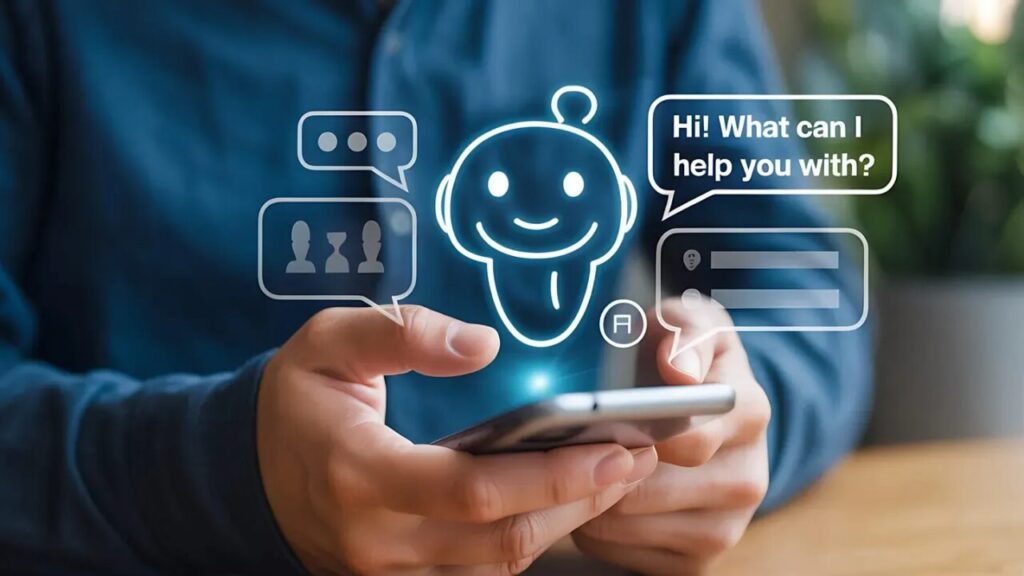
As we look ahead to 2026, the smartphone landscape is poised for transformative changes that promise to redefine the way we interact with technology in both our personal and professional lives. While smartphones may seem familiar at first glance, advancements in technology are set to introduce powerful features that will elevate these devices to new heights. From the integration of artificial intelligence to enhanced sustainability, here are the key trends shaping the future of smartphones.
📰 Table of Contents
The Rise of AI-Native Functionality
One of the most significant shifts on the horizon is the emergence of AI-native processors. This evolution moves beyond the “bolted-on” AI functionalities of previous years. In 2026, devices will harness advanced processors like Qualcomm’s Snapdragon 8 Gen 5, ARM’s Lumex, and Google’s Tensor G5 that are specifically designed for "edge" AI. This means that algorithms will run directly on the device rather than relying solely on cloud access. The implications for users are substantial: faster responses, improved security, and AI that seamlessly integrates into everyday applications.
Such advancements are not just pivotal for consumers; they also hold great significance for businesses. As employees increasingly rely on smartphones for data access, collaboration, and workflow management, the integration of AI into these devices will fundamentally shape productivity standards.
Agentic Super-Apps on the Rise
Another trend set to make waves is the evolution of super-apps. Imagine an app that can handle everything from scheduling your appointments to managing financial transactions—much like China’s WeChat but enhanced with AI capabilities. These apps will not merely serve information but will act autonomously on our behalf. By accessing our calendars, payment systems, and preferences, these AI agents will manage daily tasks, from shopping to travel arrangements. However, this raises a crucial question: Are we prepared to relinquish such control to our devices?
More Accessible Multi-Screen Models
The smartphone market is also expected to see a proliferation of multi-screen devices. While foldable and dual-screen phones have existed primarily in high-end segments, manufacturing advancements may soon yield mid-tier options. Companies like OnePlus and Oppo are anticipated to introduce dual-screen models, while Samsung might finally unveil a tri-screen device. This shift could make multi-screen technology more accessible, enhanced by improved materials that enhance durability.
A Greener Future for Smartphones
Sustainability is becoming a crucial aspect of the smartphone industry. As regulatory frameworks like the EU Ecodesign rules come into play, manufacturers are compelled to adopt environmentally friendly practices. Expect to see more devices utilizing recycled materials and offering ongoing security updates, all part of a broader move toward circular economies in tech. This focus on sustainability will become increasingly important as consumers demand accountability from brands.
Innovations in Camera Technology
Today's smartphone cameras already boast capabilities that would have amazed professional photographers a few years ago. In 2026, while major breakthroughs may be fewer, incremental improvements are likely. We can expect enhanced AI features for stabilization, better physical lenses, and software upgrades that offer real-time video editing capabilities. These innovations promise to elevate mobile photography to new levels, catering to an ever-growing community of content creators.
Exploring Holographic Displays
Could the next big leap in display technology be holographic displays? Major manufacturers like Samsung and Sony are already experimenting with this technology, with startups like Leia producing glasses-free 3D screens. While widespread adoption may still be a few years away, 2026 could mark significant advancements in this area, generating excitement among tech enthusiasts.
Expanding Connectivity through Satellite
Gone are the days when satellite phones were limited to niche markets. With collaborations between companies like T-Mobile and AT&T and services like Starlink and AST SpaceMobile, satellite connectivity is becoming more mainstream. This innovation will allow users in remote areas to maintain reliable communication, further bridging the digital divide.
The End of SIM Cards?
As technology evolves, so too does connectivity. The move towards integrated SIM cards, or iSIMs, could see a decline in the use of traditional SIM cards. This transition allows manufacturers to preload a device with usage plans, simplifying connectivity and enhancing security for users, particularly in the mid-range smartphone market.
The smartphone landscape in 2026 promises to be marked by significant advancements that will not only enhance user experience but also redefine our relationship with technology. As these devices become more integrated into our daily lives, they will serve as essential tools for managing work, communication, and even our social engagements. The future of smartphones is not just about connectivity; it’s about creating smarter, more efficient, and sustainable solutions that resonate with the changing needs of consumers and businesses alike.
You Won’t Believe These 8 Trader Joe’s Snacks Are Actually Healthy—#5 Will Shock You!

Washington's SHOCKING Vaccine Stand: What They're Hiding About Trump's Child Policy Cuts!

Shocking Transfer Portal Shifts: How Texas Tech's Bold Moves Could Topple LSU's Hopes!

CDC's Stunning Vaccine Cut: What This Shocking Change Means for Your Family's Health!

Shaq’s Shocking Secret: The ONE Gamble That Saved His $400 Million Fortune—You Won’t Believe What Happened Next!

State Officials Urgently Propose Shocking Logging Plan—Could This Save Our Planet or Worsen Runoff?
You might also like: