
Is the College Football Quarterback Market About to Explode? You Won't Believe Who's in Play!

The NFL has long been a league where the demand for elite quarterbacks far outweighs the supply. As the 2025 season comes to a close, it has become painfully clear that many teams are paying significant sums to quarterbacks who may not warrant such financial commitments. This trend raises questions about the sustainability of these investments and the broader implications for team dynamics and competitive balance.
As fans watch the quarterback contracts being negotiated in the league, it’s evident that several players are being compensated based on potential rather than proven performance. Take, for example, Daniel Jones and Tua Tagovailoa, who both received substantial contract extensions primarily for being “good enough.” The situation isn't entirely their fault; teams often find themselves navigating a tight market where the options are limited.
The bloated quarterback market can be traced back to the mega deals inked by stars like Matthew Stafford and Patrick Mahomes, which have driven up the price tag for even mediocre quarterbacks. This inflationary trend has significant ramifications, hampering franchises' ability to allocate resources for other essential areas of their rosters.
The College Football Parallel
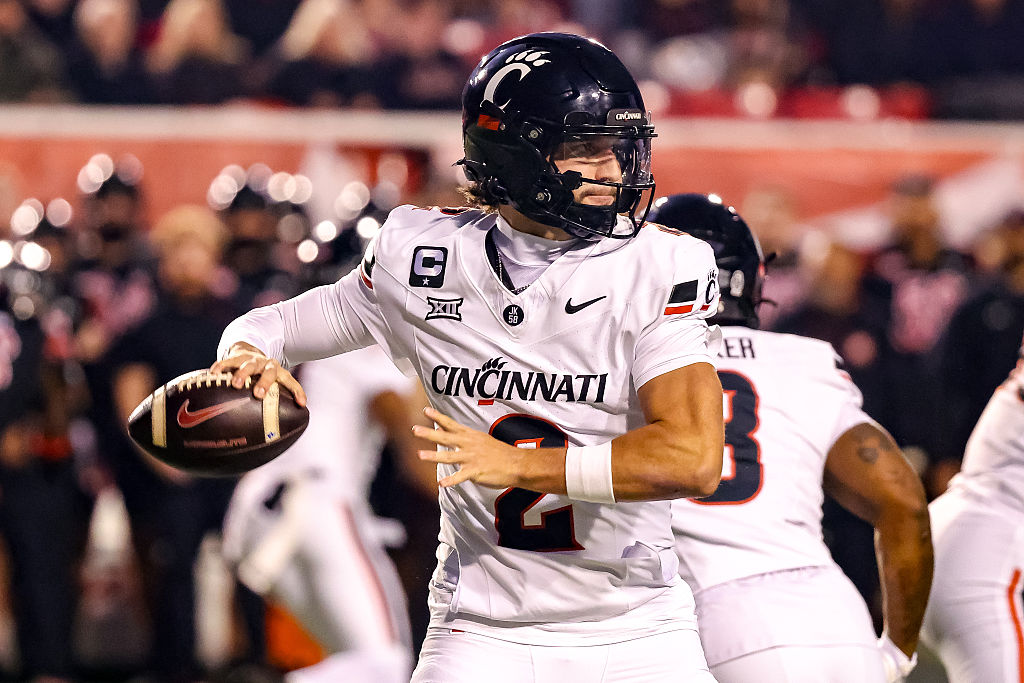
Interestingly, the college football landscape is mirroring this issue. Programs are engaging in what some are calling an arms race, particularly when it comes to quarterback acquisitions. The Texas Tech Red Raiders epitomize this trend, recently signing former Cincinnati quarterback Brendan Sorsby to a staggering $5 million contract. While Sorsby is undoubtedly a talented player, it begs the question: is he really worth more than most NFL players on rookie contracts?
The answer becomes more nuanced when considering that college sports currently operate without a salary cap. In this unregulated environment, Sorsby’s value is dictated solely by what a program is willing to pay. As teams like Texas Tech and Texas A&M leverage their financial resources, other programs—some even of substantial pedigree, such as Georgia and Ohio State—may find themselves priced out of the market. This dynamic threatens to widen the gap between wealthy programs and those struggling to compete.
Moreover, this issue is not unique to traditional powerhouses. For instance, Duke invested approximately $8 million over multiple years to lure quarterback Darian Mensah from Tulane after an impressive freshman season. While Duke may have reaped the benefits of this risky investment, it comes at a cost to Tulane, which loses the opportunity to develop a player with significant potential.
The situation raises critical questions about the future of college football. With the National Collegiate Athletic Association (NCAA) largely absent in providing guidelines, the chaos of the transfer portal and the burgeoning impacts of name, image, and likeness (NIL) deals have created a landscape where financial might can overshadow talent development.
As college football continues to evolve, fans are left to grapple with the consequences of this financial landscape. The influx of money into the sport is reshaping how teams operate, prioritizing immediate success over long-term development and sustainability. The nostalgic yearning for the days of more balanced competition grows stronger as teams chase ever more expensive talent.
Ultimately, the trajectory of both the NFL and college football raises a crucial point: while financial investments in quarterbacks are on the rise, the return on those investments remains questionable. As franchises and programs alike navigate this uncharted territory, the implications for competition, development, and the very essence of the game continue to unfold.
Why Are 80% of Teens Ignoring School Phone Rules? Shocking Truth Revealed!

Unlock Your Brain's Hidden Potential: Can You Pass This Shocking 10-Minute Challenge? Discover What You're Missing!

Why SLB's Shocking Surge Amid Venezuela Chaos Could Change Your Investment Strategy Forever!

Deadline Approaching: Only 24 Hours Left to Secure Your Chance at the Board of Trustee! Are You Ready?

You Won't Believe What Happened at The Woodlands Boys Soccer 2025 Media Day—Watch the Shocking Highlights Now!

Trump's SHOCKING Reaction to Walz's Surprising Decision Not to Run Again—You Won't Believe What's Next!
You might also like: