
Why Are 80% of Teens Ignoring School Phone Rules? Shocking Truth Revealed!

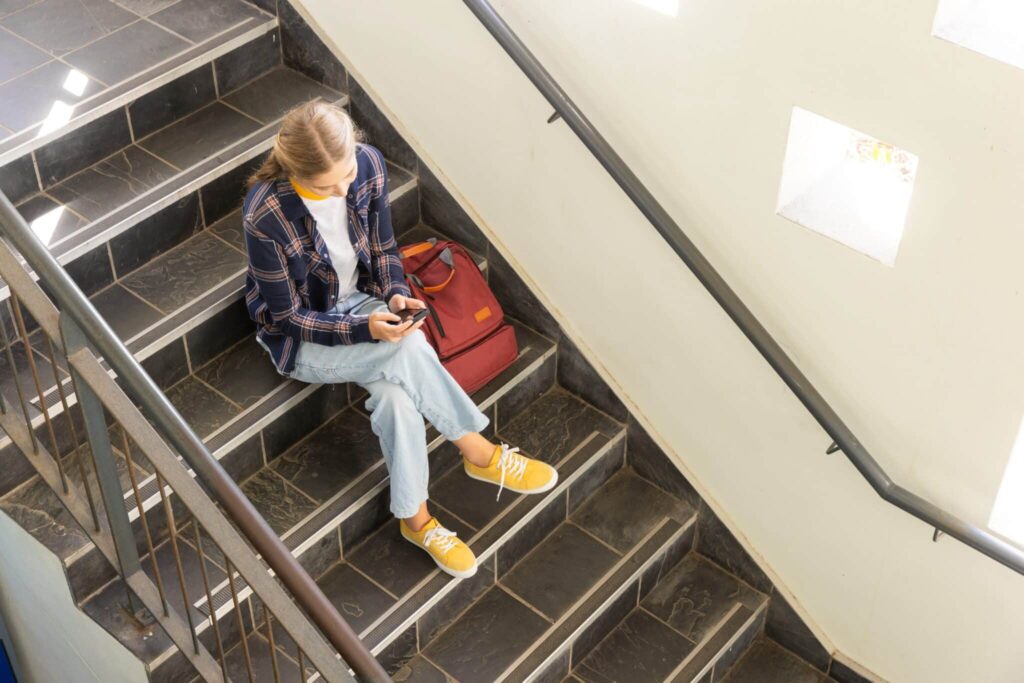
Despite nearly universal smartphone policies in American public schools, new research reveals that students are still spending a significant amount of time on their devices during school hours. A study published in JAMA tracked smartphone usage among 640 teens aged 13 to 18 over a period from September 2022 to May 2024, uncovering that students averaged about 1 hour and 10 minutes on their smartphones each school day. This usage primarily consisted of social media, video consumption, and gaming, raising questions about the effectiveness of school policies aimed at curbing distractions.
The study found that while 99.7% of school principals reported having smartphone rules in place, students continued to engage with their devices for around 70 minutes during school hours. Of this time, approximately 30 minutes was spent on social media platforms, with an additional 30 minutes dedicated to watching videos and playing games. Notably, teens with the highest scores on measures of “problematic use” spent an additional 10 minutes on their phones compared to their peers, indicating that those struggling with excessive use are particularly prone to distractions in academic settings.
Researchers used advanced monitoring technology to track actual phone use rather than relying on self-reports, which are often skewed. The findings suggest that while rules are established, students are still finding ways to circumvent them. The research did not assess the effectiveness of specific policies or enforcement strategies, leaving unanswered questions about whether stricter measures would indeed make a difference.
Teens identified with problematic use patterns—determined through the Social Media Addiction Questionnaire (SMAQ) and Mobile Phone Involvement Questionnaire (MPIQ)—logged approximately 10 additional minutes on social media apps daily compared to their classmates. This trend highlights that for some students, the allure of smartphones is strong enough to override even potential consequences of breaking school rules.
When looking at the types of applications being used, social media clearly dominated. On average, teens spent about 30 minutes on platforms like Instagram, TikTok, and Snapchat, making this the largest category of smartphone use during school hours. Other activities included 15 minutes on YouTube and another 15 minutes on mobile games like Roblox and Clash Royale. Surprisingly, educational apps accounted for a much smaller portion of total screen time. The data does not distinguish between educational and recreational use, but it is evident that much of the activity is likely not classroom-related.
The study also revealed demographic trends in smartphone usage among students. Older teens (ages 16-18) spent approximately 20 more minutes on their phones each day compared to younger students (ages 13-15). Furthermore, Black students reported using their phones about 22 minutes more than their white peers, and teens from families earning less than $25,000 annually logged significantly more screen time than those from higher-income households. These disparities raise critical questions about accessibility and the equitable enforcement of phone policies across different student demographics.
The implications of these findings are significant for parents and educators. The researchers note that as school smartphone regulations continue to evolve, ongoing studies are necessary to determine the effectiveness of various policies on reducing screen time and improving academic performance and mental health. The limitations of the study are important to consider; it only tracked Android users and did not have continuous data collection throughout the entire school year. As a result, the findings may not fully represent the experiences of iPhone users, who make up a substantial portion of the adolescent market.
In conclusion, while school policies appear to be in place, the persistent smartphone use during school hours suggests that these measures may not be enough to curb distractions effectively. As students average over an hour of screen time daily, understanding which policies work best and how to enforce them remains a pressing challenge for educators and policymakers looking to strike a balance between technology use and productive learning environments.
Unlock Your Brain's Hidden Potential: Can You Pass This Shocking 10-Minute Challenge? Discover What You're Missing!

Why SLB's Shocking Surge Amid Venezuela Chaos Could Change Your Investment Strategy Forever!

Deadline Approaching: Only 24 Hours Left to Secure Your Chance at the Board of Trustee! Are You Ready?

You Won't Believe What Happened at The Woodlands Boys Soccer 2025 Media Day—Watch the Shocking Highlights Now!

Trump's SHOCKING Reaction to Walz's Surprising Decision Not to Run Again—You Won't Believe What's Next!

Gov. Tim Walz Just Shockingly Exited the Race—What This Means for Minnesota's Future!
You might also like: