
Are You at Risk? Shocking New Study Links Climate Change to Deadly Amoebae Infections!

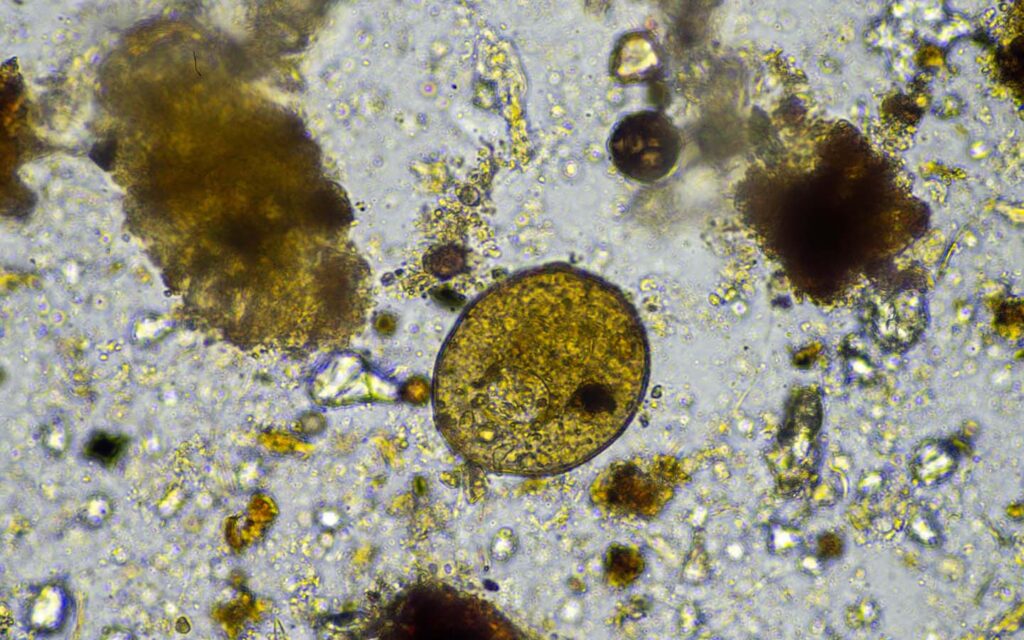
Scientists are raising urgent concerns about free-living amoebae, a group of pathogens that are becoming an increasingly serious threat to global public health. An article published in the journal Biocontaminant and cited by SciTechDaily highlights the contributing factors driving this growing danger, including climate change, aging water infrastructure, and inadequate monitoring systems.
Amoebae are single-celled organisms found in water and soil, playing essential roles as decomposers by feeding on bacteria, algae, plant cells, and other microscopic organisms. While most amoebae are harmless to humans, certain species, such as Naegleria fowleri, commonly referred to as the "brain-eating amoeba," and various members of the Acanthamoeba genus can lead to severe diseases.
"What makes these organisms particularly dangerous is their ability to survive conditions that kill many other microbes,"
said Longfei Shu, a corresponding author from Sun Yat-sen University. “They can tolerate high temperatures, strong disinfectants like chlorine, and even live inside water distribution systems that people assume are safe." This resilience poses a significant challenge to public health efforts, as it allows them to evade standard water treatment processes.
Moreover, free-living amoebae can act as hosts for various bacteria and viruses, including those responsible for Legionnaire’s disease, chlamydia, tuberculosis, norovirus, and adenovirus. This “Trojan horse” capability not only helps these pathogens persist in the environment but can also aid in the spread of antimicrobial resistance, compounding the threat they pose to human health.
As climate change continues to drive the expansion of heat-loving amoebae into new regions, the researchers advocate for a comprehensive approach known as One Health, which integrates human health, environmental science, and water management. They emphasize the urgent need for enhanced surveillance, rapid diagnostic methods, and targeted environmental interventions. Additionally, increasing public education is crucial for effective risk management and outbreak prevention.
"Amoebae are not just a medical issue or an environmental issue,"
Shu stated. “They sit at the intersection of both, and addressing them requires integrated solutions that protect public health at its source.”
This call for action comes at a critical juncture, as deteriorating water infrastructure in many parts of the United States exacerbates the risk of amoebic infections. With rising temperatures and extreme weather conditions, the conditions in which these organisms thrive are likely to proliferate, potentially leading to more cases of severe illness.
Public awareness of these threats is vital. Many people may not consider the implications of contaminated water systems or the resilience of certain pathogens. The increasing incidence of amoebic infections underlines the need for improved public health strategies that not only address the immediate risks but also consider the broader environmental factors influencing pathogen survival and proliferation.
As scientific research continues to shed light on the dangers posed by free-living amoebae, it is clear that proactive measures are essential to safeguard public health. By prioritizing integrated solutions that encompass medical, environmental, and infrastructural perspectives, society can better prepare to combat these resilient pathogens and protect the health of communities nationwide.
Vietnam's Secret Engineering Revolution: Is This the Next Silicon Valley? Find Out Why You Can’t Afford to Miss It!
Thrift Store Jeans Hide This Shocking Secret: You Won't Believe What She Found!

You Won't Believe What Aaronson and McKennie Did to Secure USMNT's World Cup Fate—Shocking Details Inside!

Why 'Fire and Ash' Just Hit $1B — You Won’t Believe What Happened Next!

Ridgewater's Stunning Upset: You Won't Believe How They Took Down the Raiders in an Epic Finish!

Lakers' Shocking Trade Plans: Could LeBron Be on the Chopping Block Before 2026?
You might also like: