
Why Our Very Survival is at Risk: Shocking Truths About the Climate Crisis You Must Know!

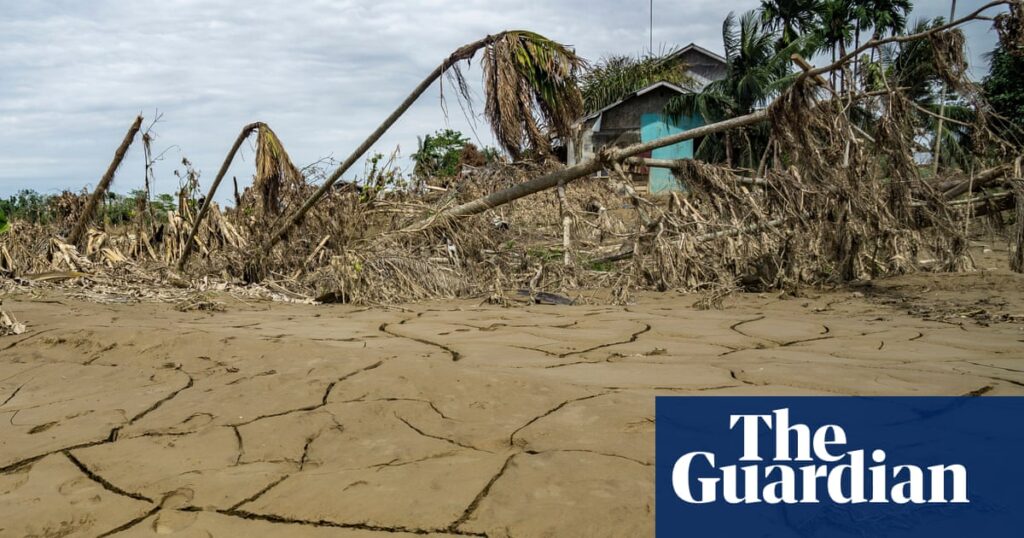
As we stand on the precipice of a climate crisis, the conversation surrounding adaptation has never been more urgent. A recent editorial from The Guardian emphasized this critical point, drawing attention to the stark reality: while the Earth may endure, the survival of humanity and countless other species hangs in the balance. The climate is shifting from a manageable challenge to an increasingly hostile environment, and the pressing question remains: can we adapt in time?
The challenges we face are not merely technical or financial; they are deeply moral. The global population can be divided into three distinct groups: those who are already suffering the consequences of climate change, such as loss of homes and livelihoods; those driven by greed, who profit from delaying action and perpetuating denial; and those who profess concern yet hide behind a facade of excuses and inaction. As the clock ticks, the urgency for genuine action cannot be overstated.
Notably, poorer nations, which contributed the least to the current crisis, are bearing the brunt of its impacts. While wealthier nations debate costs and political conveniences, lives are lost and futures erased. This isn't just a failure of policy; it represents a profound injustice that cannot be ignored. The call for adaptation funding should not be viewed as charity; it is a necessary investment in our collective survival. Likewise, reducing emissions is not optional for a sustainable future. Without honesty, courage, and compassion, we risk betraying future generations.
The urgency of the climate crisis is further underscored by the increased frequency of extreme weather events, including violent storms and rising sea levels. The implications are particularly dire for coastal infrastructure, raising questions about the wisdom of constructing new energy plants in vulnerable areas. For instance, the UK’s newest nuclear plants, Hinkley C and Sizewell C, are located in historically flood-prone regions. Hinkley C, situated in an area that experienced Britain’s largest flood in 1607, and Sizewell C, which requires substantial sea walls to safeguard against potential inundation from future storms, highlight the irony of nuclear proponents claiming these plants are essential to combating climate change.
Dr. David Lowry, a senior international research fellow at the Institute for Resource and Security Studies, emphasizes the contradiction inherent in relying on nuclear power to address climate issues while simultaneously placing these plants in areas at high risk of flooding. This contradiction extends to the broader societal issue of climate denial. Many individuals continue their daily lives detached from the alarming realities unfolding around us, a situation exacerbated by a lack of effective political leadership.
In a bid to confront this pervasive denial, some suggest that governments should implement measures akin to past initiatives targeting public health, such as tobacco branding laws. By replacing petrol station branding with stark facts and images depicting the destruction caused by extreme weather events, a more informed electorate could emerge. This approach could serve as a necessary “government health warning,” aimed at galvanizing public support for the sweeping changes required to ensure a livable planet for future generations.
The time for complacency has passed. With the stakes higher than ever, the need for concerted action is clear. The moral imperative to address the climate crisis is not just a call to environmentalists; it is a call to every citizen and leader around the globe. As we adapt to a world increasingly shaped by climate change, we must prioritize the health of our planet and the well-being of all its inhabitants. Anything less would be a profound betrayal of our shared humanity.
You Won't Believe How the Digital Tech Industry Just Blew Past 2025 Goals—Find Out Why!

Alison Hammond’s SHOCKING 11-Stone Transformation: What She Did Will Leave You Speechless!

2026 Bitcoin Predictions: Will You Regret Buying, Holding, or Selling in Just Months?

Shocking Trades and Unbelievable Injuries: What You MUST Know About This Week's Game-Changing League Updates!

BTS Is BACK! Their Shocking Comeback Album After 5 Years & What It Means for Fans!
This Unbelievable Request Was Denied—The Shocking Reason Will Leave You Speechless!
You might also like: