
India's Shocking IMO Council Win: What This Means for Global Ocean Control!

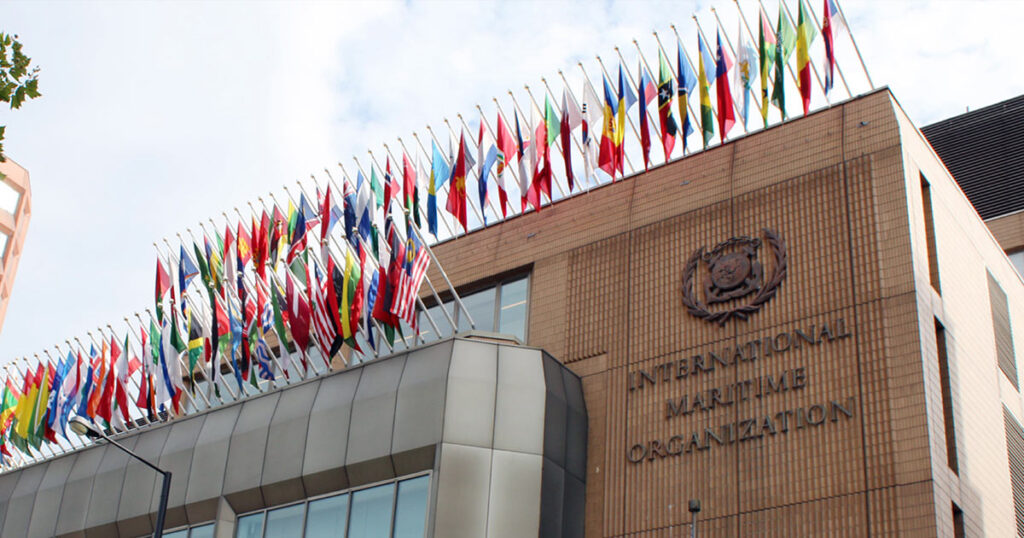
India's recent re-election to Category B of the International Maritime Organization (IMO) Council for the 2026-2027 term, where it topped the vote count for the second consecutive time, marks a significant milestone in the nation's maritime governance efforts. This achievement places India alongside other major maritime nations, including Germany, France, Canada, the United Arab Emirates, Australia, Spain, Sweden, the Netherlands, and Brazil. The overwhelming support India received highlights its emerging role as a proactive and committed player in global maritime discussions.
📰 Table of Contents
The Significance of India's Council Seat
The IMO, a specialized agency of the United Nations, is tasked with promoting safer, cleaner shipping and reducing maritime pollution, aligning its goals with the Sustainable Development Goals (SDGs). The IMO Assembly, which meets biennially, is responsible for electing the Council, which serves as the executive body guiding the organization’s activities between assemblies. Countries are categorized for election into three categories: Category A comprises nations heavily involved in providing international shipping services; Category B includes those with significant stakes in global maritime trade; and Category C ensures representation of countries with specific maritime interests.
India's presence in Category B allows it to influence critical maritime discussions on shipping safety, decarbonization, digitalization, and seafarer welfare. Approximately 95 percent of India’s trade by volume, and 70 percent by value, relies on maritime transport. In this context, India's ambitions are bolstered by initiatives like the Sagarmala program and the Maritime Vision 2030, aimed at enhancing its maritime infrastructure while adhering to international standards. Holding a seat on the IMO Council not only facilitates India's role in shaping inclusive maritime rules but also enhances its ability to learn from global best practices, share its experiences, and refine its own policies.
India's re-election reflects an acknowledgment of its growing role as a responsible maritime leader, particularly in supporting capacity-building and knowledge-sharing among developing nations. This platform allows India to address pressing global maritime issues while reinforcing the importance of the Global South's voice in international governance.
Driving Sustainable Maritime Practices
Climate change and sustainable shipping remain central to the IMO's agenda, with a target to achieve net-zero emissions by 2050. India's role in the Council is pivotal in advocating for a transition that is not only effective but also fair and affordable for developing nations burdened by compliance costs. India's experiences in this domain empower it to champion practical solutions that balance environmental objectives with developmental needs. Already, initiatives such as the Harit Sagar Guidelines and Harit Shrey incentive scheme are paving the way for cleaner maritime operations, supported by renewable energy and cleaner fuels.
India's extensive coastline and expanding port infrastructure underscore its strategic commitment to building resilient port cities equipped for future challenges. The Council position allows India to address regional environmental concerns in the Indian Ocean, including pollution and increasing shipping traffic. Furthermore, India's proactive steps in anti-piracy operations and its engagement in regional maritime security partnerships, such as with the Quadrilateral Security Dialogue (QUAD) and the Indian Ocean Rim Association (IORA), enhance its credibility in maritime discussions.
India’s initiatives also aim to strengthen maritime connectivity and security. With over 90 percent of global trade transported by sea, maintaining maritime stability is crucial. India’s growing involvement in various regulatory frameworks, such as the International Ship and Port Facility Security (ISPS) Code, positions it well to guide international responses to maritime threats, from piracy to humanitarian crises. Initiatives like SAGAR (Security and Growth for All in the Region) further demonstrate India's commitment to sustainable maritime connectivity and trade.
While India acknowledges the competitive landscape shaped by China's Belt and Road Initiative (BRI), its ongoing partnerships and engagement with regional players aim to strengthen maritime security and support equitable growth in global trade. This multifaceted approach allows India to act as a bridge between developed and developing nations, fostering consensus and collaboration in maritime governance.
Focusing on People-Centered Development
With nearly 40 percent of the global population residing near coastlines, the human aspect of maritime development is paramount. As major ports expand, local communities often bear the environmental and social consequences. Vulnerable groups, including fishermen and migrant workers, are particularly affected. India's experience highlights the importance of balancing economic goals with the needs and rights of local communities. To ensure port-led growth benefits all stakeholders, India can champion policies that integrate local knowledge and perspectives into maritime planning, promoting sustainable coastal development.
India is also a significant supplier of seafarers, emphasizing its commitment to their welfare through initiatives like Sagar Mein Samman, which focuses on training, mental health, and safety conditions for maritime workers. Additionally, collaborations with the International Seafarers’ Welfare and Assistance Network enhance support for seafarers and their families, aligning with global standards.
As India moves forward in its role on the IMO Council, it has a unique opportunity to shape the dialogue around maritime development and governance. By addressing both local and global challenges, India can lead initiatives that foster equitable and sustainable maritime practices, setting a precedent for other developing nations to follow.
India's re-election to the IMO Council is not just a recognition of its capabilities; it's a chance to influence the future of maritime governance. As global trade continues to evolve, India's position offers a pathway for enhancing efficiency, community support, and environmental protection in the maritime sector, ultimately benefiting a wider audience and reinforcing its commitment to inclusive growth.
Anusha Kesarkar Gavankar is a Senior Fellow at the Observer Research Foundation.
You Won’t Believe the Shocking Plot Twists Coming in 2026’s Most Anticipated Shows!

Trump's Health Crisis: What the White House Isn't Telling You Could Change Everything!

Is Your Child’s Holiday Sugar Fix Harming Their Health? Shocking Truths Revealed!

Is the White House Secretly Hiding 7 Titles That Could Change Everything? You Won't Believe What They Are!

“This Revolutionary Vaccine Could Change Everything for Triple-Negative Breast Cancer—Find Out How!”

North College Hill High's Shocking Decision: Tyler Williams Takes the Helm—What’s at Stake?
You might also like: