
You Won't Believe How Parongpong RAW Lab is Tackling the World's Toughest Waste at K-Startup 2025!

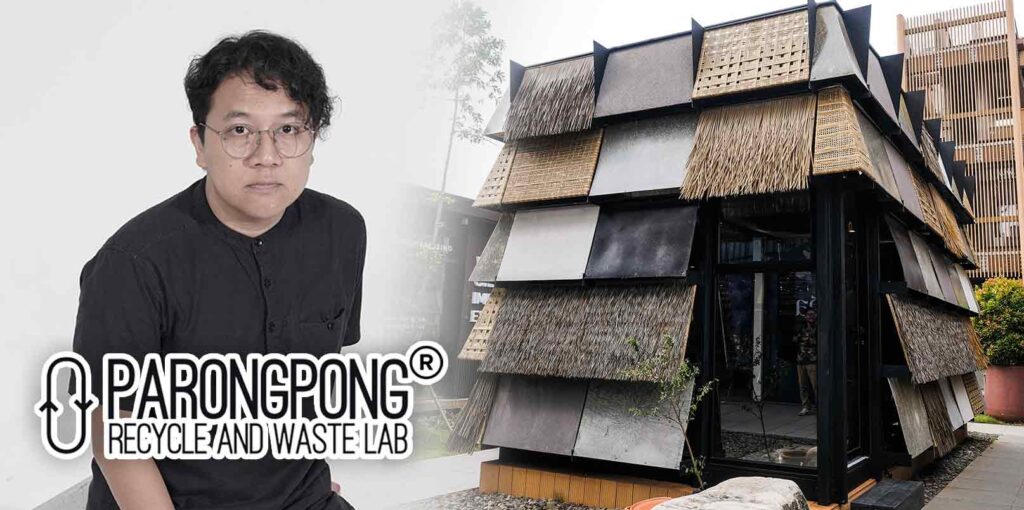
When most people see plastic debris tangled in fishing nets, they view it as pollution. However, Rendy Aditya, founder of Parongpong RAW Lab, perceives this waste as an opportunity—both for sustainable materials and for fostering community-driven economies from discarded items.
In an exclusive interview, Aditya explained how his Indonesian startup is transforming ghost nets and mixed plastics into high-value materials, tapping into the potential of Korea’s coastal ecosystems and highlighting the role of the K-Startup Grand Challenge (KSGC) 2025 in refining his company's roadmap toward establishing Asia’s first decentralized circular material network.
“KSGC gave us strategic clarity, network, and confidence to execute a Korean expansion with real impact and long-term commercial viability,” Aditya stated.
📰 Table of Contents
Innovating Waste Management with Parongpong RAW Lab
Aditya founded Parongpong RAW Lab in response to a significant global gap in waste management, particularly in coastal and rural communities where discarded materials, like ghost nets and plastics, yield little or no economic value. Growing up in Indonesia, he witnessed fishing communities surrounded by such debris, which not only harmed marine ecosystems but also represented an untapped resource. Despite a global demand for sustainable materials, existing recycling systems are often centralized, selective, and ill-equipped to handle the most problematic waste.
As an architect and designer, Aditya recognized the hidden potential in these materials. Utilizing Prototech™ hydrothermal technology, Parongpong RAW Lab processes mixed and dirty waste—including ghost nets—into high-quality, traceable products known as Prototiles and Oriplas. This innovative approach aims to create microfactories close to waste sources, empowering local communities while providing industries with sustainable material alternatives.
Aditya’s mission is deeply personal: to demonstrate that circularity is not merely a concept but a viable system capable of uplifting communities, restoring the environment, and creating sustainable economies globally.
Why Korea is Key for Circular Innovation
In the Korean market, Parongpong RAW Lab identified a critical gap—a scalable, cost-efficient solution for processing fishing gear waste, particularly ghost nets, recognized as a significant source of marine pollution. While Korea has advanced recycling systems, materials such as mixed plastics and dirty nets remain challenging to process through conventional methods.
Aditya reported strong early signals from the Korean market, including insights from local experts, port authorities, researchers, and KSGC mentors. These discussions highlighted Korea's active investment in marine waste reduction, circular material development, and ESG-aligned manufacturing. Significant government initiatives and corporate sustainability programs are focused on ambitious targets for reducing ocean waste and advancing recycling technologies.
Moreover, cultural trends in Korea, such as the rapid adoption of green building materials and innovative public-space design, align well with Parongpong's design-driven circular products. This intersection of market readiness, policy momentum, and technical necessity confirmed that Korea offers an ideal gateway for scaling their technology throughout East Asia.
Strategic Growth Through KSGC
During KSGC, Aditya gained critical insights that significantly influenced his strategy. Through discussions with municipal advisors and sustainability mentors, he learned that a faster path to market wouldn’t be through large infrastructure projects but through high-visibility, small-scale public installations. This revelation shifted their focus towards pilot installations in collaboration with designers, architects, and coastal communities, emphasizing proof of durability and community impact before committing to larger-scale projects.
The guidance from local manufacturing and materials experts also proved invaluable, enabling Aditya’s team to refine product specifications—color, texture, and design—to better resonate with Korean urban aesthetics. This tactical approach clarified their roadmap: starting small, demonstrating visible impact, and scaling through municipal and corporate partnerships.
Since joining KSGC, Parongpong RAW Lab has achieved significant growth and direction. They successfully validated Korea as a high-potential market for circular materials derived from fishing gear waste. This strategic alignment has set the stage for their first Korean pilot project, targeting key coastal regions such as Busan, Ulsan, and Jeju, where they plan to engage with local partners, fisheries cooperatives, and sustainability-focused corporations.
Aditya anticipates securing their first Letter of Intent (LOI) and Memorandum of Understanding (MoU) in 2026, aiming to establish a Korean microfactory and material demonstration project, marking a substantial shift from exploration to a structured market-entry strategy.
A Vision for a Decentralized Circular Economy
Looking ahead, Parongpong RAW Lab envisions creating Asia’s most impactful decentralized circular material network, where microfactories in coastal regions convert ghost nets and mixed plastics into valuable, traceable products for global industries. This model not only aims to restore the environment but also to foster financially scalable solutions in countries with significant fishing industries and complex waste challenges.
Korea is poised to play a central role in this vision. By validating their model within one of the world's most advanced economies, Parongpong hopes to establish a blueprint for scaling across Asia. In the coming two years, their goal is to launch Korea’s first Prototech™ microfactory pilot, converting locally collected ghost nets into robust construction materials for early adopters in architecture and the public sector.
Ultimately, Parongpong RAW Lab seeks to build more than just a recycling initiative; they aim to create a new circular economy model where communities, industries, and ecosystems thrive together through shared sustainability and innovation.
As Parongpong RAW Lab progresses through Phase 2 of the K-Startup Grand Challenge 2025, they exemplify how circular design can translate into scalable impact, merging Indonesia’s innovative practices with Korea’s advanced infrastructure to lay the groundwork for sustainability in architecture, art, and urban design.
Russell Westbrook SHOCKS the NBA: How He Became the Highest-Scoring PG and What It Means for His Legacy!

New Mexico Governor's Shocking $10K Dinner Party Bill Exposed: What Else Is Hidden?

Could the Panthers Make NFL History? The Shocking Playoff Scenario Nobody's Talking About!
You Won't Believe How Many Locals Are Signing Up for Gyms—The Shocking Numbers Will Leave You Speechless!

You Won't Believe What This Chinese Startup Did with Humanoid Robots and Football—Is AI Taking Over Sports?

Shocking Fraud Allegations Hit Alexandria Real Estate: 19% Stock Plunge Spells Trouble! What You Need to Know Now!
You might also like: