
Instagram's Shocking Warning: Are AI-Generated Posts Set to Take Over Your Feed? Find Out Why!

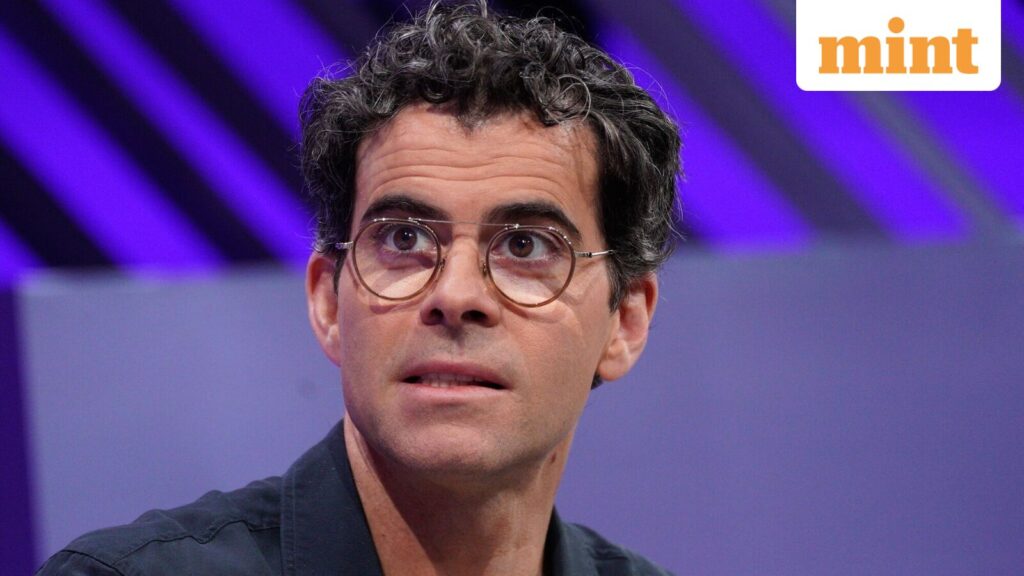
Artificial intelligence (AI) has already woven itself into the fabric of our daily lives, especially in the realm of social media. Adam Mosseri, the head of Instagram, recently shared his year-end reflections on Threads, emphasizing that the implications of AI-generated content for our perception of reality are profound and far-reaching. “For most of my life I could safely assume that the vast majority of photographs or videos that I see are largely accurate captures of moments that happened in real life. This is clearly no longer the case and it’s going to take us, as people, years to adapt,” he wrote.
As AI continues to evolve, Mosseri predicts a significant shift in how we engage with the media. He foresees that we will move from a state of automatic belief in what we see to a more skeptical approach. This skepticism will compel users to pay closer attention to the sources of content, questioning not only what is being shared but also the motivations behind its dissemination. “Over time we are going to move from assuming what we see is real by default, to starting with skepticism when we see media,” he noted.
The Changing Landscape for Creators
The rise of AI-generated content poses unique challenges and opportunities for creators. Mosseri commented that the qualities that once made creators successful—authenticity, relatability, and a unique voice—are becoming increasingly replicable thanks to advancements in technology. Deepfakes and synthetic media are now indistinguishable from real-life captures, making authenticity a “scarce resource.”
This shift raises a crucial question: How can creators maintain their authenticity in an era where anyone can simulate it? Mosseri suggests that those who thrive will be the ones who find a way to be genuine, even in the face of newfound technological possibilities. However, he cautions that the bar for authenticity will shift. “The bar is going to shift from ‘can you create?’ to ‘can you make something that only you could create?’” he explained.
Furthermore, he anticipates a movement away from polished visuals toward a more raw aesthetic. Imperfection, in this context, becomes not just an artistic choice but a badge of authenticity. “In a world where everything can be perfected, imperfection becomes a signal,” Mosseri stated. This trend indicates that savvy creators will likely embrace a more unproduced and unflattering representation of themselves to validate their realness.
Yet, as AI capabilities grow, even the appearance of imperfection may be manufactured. Mosseri warns that advancements in AI will allow individuals to generate whatever aesthetic they desire, including one that appears flawed yet authentic. This looming reality underscores the need to scrutinize not only the message but also the messenger. “At this point we’ll need to shift our focus to who says something instead of what is being said,” he advised.
The implications of Mosseri's insights extend beyond the individual creator. Social media platforms are likely to face increasing pressure to identify and label AI-generated content. As detection technologies improve, distinguishing between real and synthetic media will grow more challenging. Mosseri suggests a proactive approach, proposing that it may be more practical to “fingerprint” real media rather than chase after fake content. This could involve camera manufacturers cryptographically signing images at the moment of capture, creating a verifiable chain of custody.
As we navigate this rapidly changing landscape, the way we consume and engage with media will fundamentally evolve. The coming years will demand a collective adjustment to a new reality where skepticism reigns and authenticity is both a prized attribute and a complex challenge. For American readers, these shifts will not only affect how they interact with social media but also how they understand the information that shapes their perceptions of the world.
Uncover the Shocking Secret Workout That Transformed 10,000 Lives—Can Your Abs Handle It?

You Won't Believe These 7 Jaw-Dropping Lower Merion Homes – The Arch is Back, But Why Now?

10 Shocking Healthy Snacks Your Kids Will Actually Beg For—#4 Will Blow Their Minds!

You Won't Believe What the Union Must Do This Year to Survive the Intense Soccer Showdown!

South Korea’s Exports Skyrocket by 200% in 2025! What’s Behind This Jaw-Dropping AI Boom?

Crypto Users SHOCKED: 80% May Face IRS Audits After Sharing Account Secrets! Are You Next?
You might also like: