
Snack Bar Market Set to Explode to $41B by 2031—Are You Missing Out on This Healthy Goldmine?

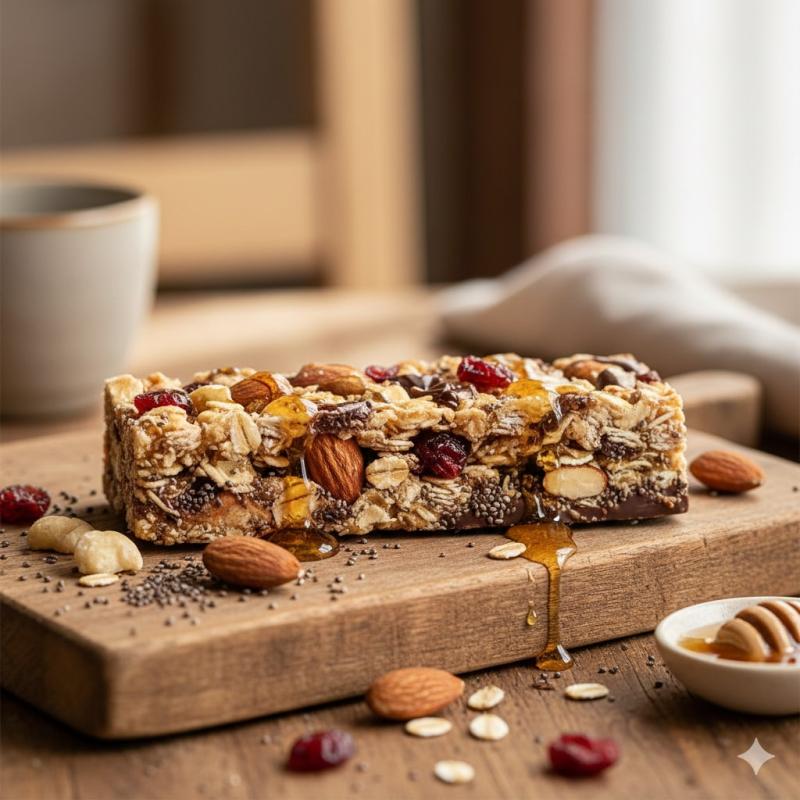
The global snack bar market is experiencing significant growth, reaching an estimated US$ 25.6 billion in 2023 and projected to climb to US$ 41 billion by 2031. This growth reflects a compound annual growth rate (CAGR) of 6.06% from 2024 to 2031, driven by a surge in demand for convenient, on-the-go snacks and an increasing health consciousness among consumers. Innovative functional ingredients and the expansion of retail channels for nutritious options also play pivotal roles in this upward trend.
In North America, the snack bar market is particularly robust, fueled by a culture that values convenience, a high level of health awareness, and a well-established retail infrastructure. Recent developments reflect this trend, such as think! partnering with singer and entrepreneur Jessie James Decker to launch think! MINIS Protein Snack Bars available in seven flavors as of August 2024. Similarly, in April 2024, Ready introduced Kids Whole Grain Protein Bars designed specifically for active children, while KIND Snacks unveiled adaptogen-infused bars aimed at stress relief and energy boost in March 2024.
The Asia-Pacific region is emerging as the fastest-growing market segment, driven by urbanization, rising disposable incomes, and a demand for functional snacks. Notable industry developments include Tata Consumer Products launching millet-based snack bars in February 2025, aligning with health initiatives, and India’s SuperYou brand introducing protein wafers with various flavors in November 2024. Meanwhile, Nestlé has made strides in introducing locally-inspired snack bars across several Asian markets as of January 2024.
Recent mergers and acquisitions are also shaping the market landscape. In January 2025, Ferrero Group acquired Power Crunch to broaden its portfolio of better-for-you snacks in the U.S. Additionally, TruFood and Bar Bakers merged in Spring 2024, rebranding as Tandem Foods to enhance innovation in healthy snacks.
The snack bar market can be segmented by product type, with protein bars leading the way due to high consumer demand for protein-rich options. Other categories include granola bars, breakfast bars, and various others. Ingredient-wise, the market features whole grains, nuts and seeds, and dried fruits as prominent choices. Distribution channels encompass supermarkets, convenience stores, specialty shops, and a rapidly growing online presence.
Several factors are driving this market expansion. There is an increasing preference for healthy snacks that are both convenient and portable, as busy lifestyles lead consumers to seek quick options without sacrificing nutrition. The rising health and wellness trends favor protein-rich and functional ingredients, while product innovation has resulted in clean-label, organic, and plant-based options gaining traction. The growth of distribution channels, particularly online shopping, has further facilitated access to these nutritious snacks. Moreover, a growing consumer focus on nutrition for fitness and weight management has pushed manufacturers to respond with more targeted offerings.
Leading companies in the snack bar market include General Mills Inc., Kellogg Company, Mars Incorporated, Mondelez International Inc., Nestlé SA, Halo Foods Limited, PepsiCo Inc., Associated British Foods, and Abbott Laboratories. These companies are actively innovating to meet consumer demands for on-the-go nutrition. For instance, General Mills is focusing on new product ranges, while Nestlé is launching low-sugar, high-protein bars tailored to specific regions. KIND Snacks is expanding its line with functional adaptogen-infused products, and Kellogg is concentrating on health-oriented options.
The snack bar market reflects a significant cultural shift towards health and convenience, responding to consumer needs in an increasingly fast-paced world. As more players enter the space and existing companies innovate, the future looks bright for this dynamic sector. This trend not only signifies a growing interest in healthier eating habits among consumers but also indicates a broader movement towards accessible nutrition in our daily lives.
Is This the Shocking Reason AI Leaders Say Coding is No Longer the Issue? Discover the Surprising Truth!

2026 NFL Mock Draft: 5 Shocking Picks That Could Change the League Forever!

Snowstorm Hits New York: Is Your City Prepared for the 12-Inch Whiteout Disaster?

Trump's Shocking Call with Putin: What the White House Just Revealed Will Leave You Speechless!

You Won't Believe What Experts Say About the Shocking Rise in Homelessness – Act Now Before It's Too Late!

Shocking NFL Week 18 Rankings: Are the Bills & Steelers on the Brink of Collapse?
You might also like: