
Shocking New Law? German Minister Proposes Social Media Ban for Teens—Is Your Child at Risk?

As Australia enacts a historic social media ban for teenagers, Germany is contemplating a similar move. Effective December 10, 2023, the Australian government mandates that social media platforms remove the profiles of users under 16 years of age and prevent them from creating new accounts. This unprecedented policy positions Australia as the first and only country in the world to impose such a restriction, a move that has sparked varied responses globally.
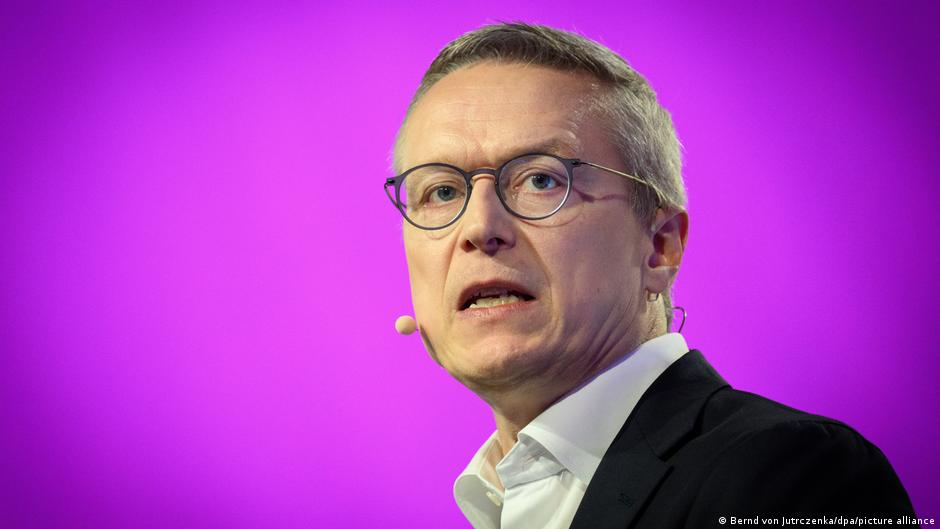
German Digital Minister Karsten Wildberger expressed openness to the idea during an interview with the German dpa news agency, stating, "I can see a lot of merit in that. I consider the question of an age restriction to be more than justified." His comments signal a growing concern among European leaders regarding the impact of social media on youth, particularly amid increasing reports of cyberbullying, grooming, and mental health issues associated with online interactions.
Australia's Bold Move
The Australian government’s decision to implement the ban is rooted in serious concerns about the safety and well-being of children and teenagers online. Officials argue that social media platforms can expose young users to harmful content, and measures like this could mitigate risks associated with mental health crises among adolescents.
The ban covers major platforms including TikTok, Snapchat, YouTube, Reddit, Instagram, Facebook, Kick, Twitch, Threads, and X. While the policy has drawn criticism from civil liberties advocates and social media companies, it has also garnered praise and attention from governments around the world, who are closely monitoring its implementation and enforcement, particularly its age verification systems.
European Commission President Ursula von der Leyen noted that she was "inspired" by Australia's action, indicating that similar policies might gain traction in other countries as concerns about digital safety escalate.
In Germany, discussions surrounding youth protection in the digital age are ongoing. An expert commission appointed by the government is currently reviewing policies to enhance child and youth safety online. Minister Wildberger emphasized the importance of enabling healthy development for youth, akin to the experiences of earlier generations who grew up without social media. He remarked, "So now the question is: How do we enable them to have a healthy development, like earlier generations had without social media?"
The commission, which comprises academics, medical professionals, and youth protection advocates, is expected to provide policy recommendations by summer 2025. These proposals may address social media usage guidelines and could draw inspiration from measures already partially implemented in countries like France, which has banned cellphones in schools to curtail distractions and promote healthier environments for students.
As policymakers grapple with the complexities of regulating digital spaces, Australia’s bold approach serves as a pivotal case study in the global conversation about the responsibilities of social media platforms and the protection of young users. The implications of such policies extend beyond borders, impacting how countries will approach youth safety and digital citizenship in the future.
While the dialogue on social media regulation continues to evolve, the stakes remain high for young people navigating an increasingly complex digital landscape. As governments like Australia’s and Germany’s seek to strike a balance between safeguarding minors and preserving freedoms, the outcomes of these discussions may shape the future of online engagement for generations to come.
Pediatricians vs. Federal Government: Shocking $1 Billion Child Health Funding Cut Sparks Outrage!

Nikola Jokic's Jaw-Dropping Christmas Game: Did He Just Break 5 NBA Records? Charles Barkley's Reaction Will Shock You!

Amherst Therapist Reveals Shocking Secrets to Combat 'Eco-Grief'—Are You Suffering in Silence?

You Won't Believe How Arne Slot Transformed Hugo Ekitike's Fitness—The Shocking Results Are Here!

Wall Street’s “Santa Claus” Rally: Are the Dow and S&P 500 Hiding a Shocking Secret? You Won't Believe What Happens Next!
Why Millions Are Being Denied Access to This Page—What Are They Hiding From You?
You might also like: