
California's 2026 Election: 7 Shocking Twists You Won't Believe Could Happen!

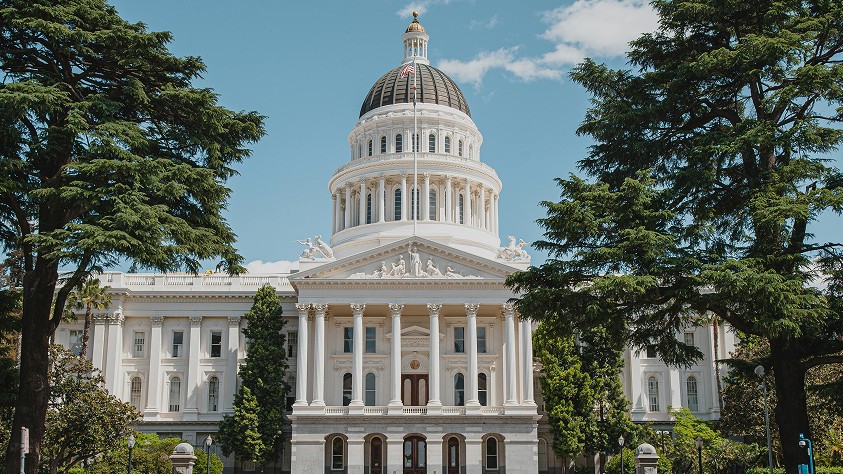
The political landscape in California is gearing up for what could be an unusual and intriguing election cycle as the 2026 campaigns for governor, several statewide offices, 52 congressional seats, and 100 legislative positions officially kicked off last week with candidate filing. This election cycle, while following in the footsteps of California's 175-year history as a state, is distinguished by its complex dynamics that may put the state's often convoluted politics in the national spotlight.
One of the most striking features of this cycle is the sheer number of Democrats vying for the governorship. With upwards of a dozen candidates already in the mix, the possibility of a Republican winning the seat, while slim, is not entirely out of the question. This scenario is made even more plausible by California's top-two primary election system, where all candidates, regardless of party affiliation, will appear on the same ballot for the primary on June 2. The two candidates receiving the highest percentage of votes will advance to the November election, which can lead to unexpected outcomes.
Currently, the Democrats dominate the field, but the crowded candidacy could enable the two Republican contenders—Riverside County Sheriff Chad Bianco and former television commentator Steve Hilton—to secure a spot in the general election, potentially with as little as 10-15% of the votes each. This scenario presents an unusual opportunity in a state that leans heavily Democratic, and the possibility becomes more tangible given the current lack of a clear Democratic frontrunner. If some weaker Democratic candidates drop out, it could consolidate the vote and enhance the chances for the GOP candidates.
Notably, the absence of high-profile figures like former Vice President Kamala Harris and U.S. Senator Alex Padilla in the race has left a leadership void, contributing to the uncertainty around who might emerge as a strong Democratic challenger. As of now, former Congresswoman Katie Porter appears to be leading the Democratic field, but she is polling at just double digits. The only other woman running is former Controller Betty Yee, while other prominent figures like Lieutenant Governor Eleni Kounalakis and former State Senator Toni Atkins are currently out of the race.
Another significant contender is billionaire Tom Steyer, who has been actively using his wealth to run television and internet advertisements portraying himself as a populist, calling for relief from high electric bills and criticizing "Sacramento politicians." This approach has drawn some parallels to how former President Donald Trump gained traction, showcasing the potential for the untraditional candidate to resonate with voters.
Other notable names include former Los Angeles Mayor Antonio Villaraigosa and former Attorney General Xavier Becerra, who both command respect and recognition within the party. However, many are still awaiting decisions from influential figures like Attorney General Rob Bonta and businessman Rick Caruso regarding their participation in the race.
This level of uncertainty among candidates as the election cycle progresses is relatively rare for California politics. Insights from seasoned political figures underscore this complexity. As Willie Brown, the former state Assembly speaker and San Francisco Mayor—known for his political acumen—remarked, “The field is not considered of a quality that you as a Democrat would expect in California. We’re still pretty much carried away with stardom, with individuals who have some impact … We don’t have any candidates like that at the moment.”
As the primaries approach, the Democratic field is expected to narrow, especially after February or March when candidates lacking sufficient financial support or polling strength may begin to withdraw. At this juncture, the competitive landscape will become clearer, allowing for more accurate assessments of the contenders.
In conclusion, the upcoming election cycle in California may be one for the history books. With the potential for unanticipated shifts in voter dynamics and party representation, all eyes will be on the Golden State as it navigates its complex political terrain. As candidates emerge and the field takes shape, voters will have ample opportunities to engage with the multifaceted issues at play—issues that will resonate far beyond the state’s borders and contribute to national political discourse.
8 Shocking Restaurant Habits That Expose Wealthy Fakes—You Won't Believe #3!
You Won't Believe What Happens When Access to This Secret Page is Denied! 7 Shocking Revelations Inside!
Wall Street’s Shocking Predictions for 2026: Are You Prepared for These Game-Changing Moves?
Why This Christmas, the Spurs Could Make or Break Their Season—Fans Are in for a Shocking Surprise!

You Won't Believe Why Delta Firefighters Are Being Celebrated – The Shocking Truth About School Snacks!

Nick Fuentes’ Shocking Racist Slur Sparks 1000+ Comment Feud with JD Vance—What Are They Hiding?
You might also like: