
2026 Could Bring Record-Breaking Heat to Argentina—Are You Prepared for the Shocking Consequences?

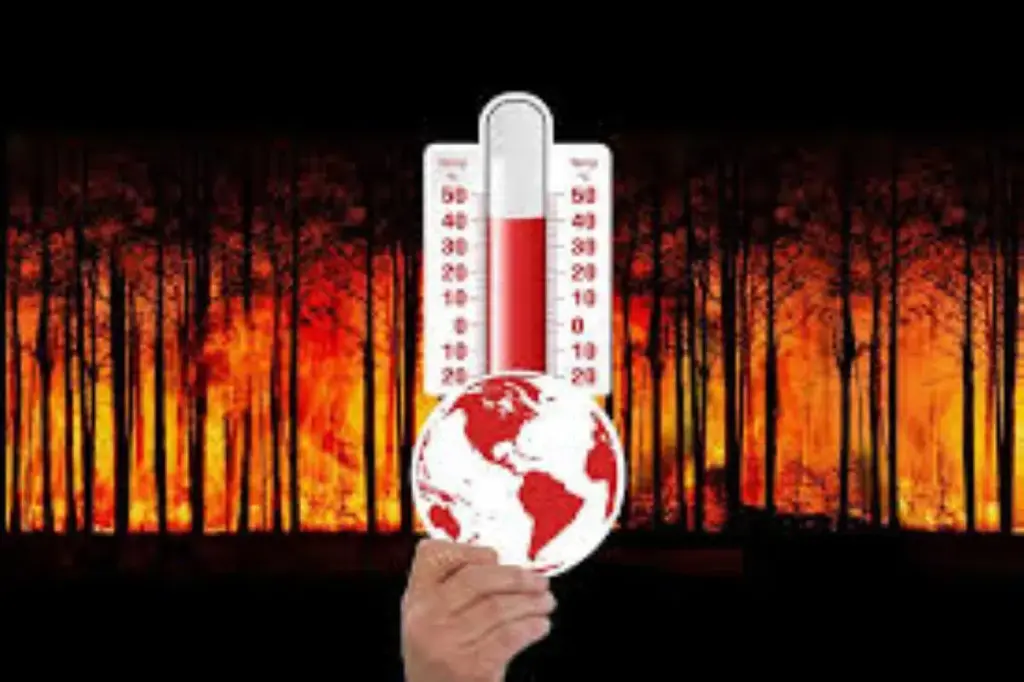
The latest climate change forecasts paint a concerning picture for the planet, with global warming projections nearing the critical 1.5°C threshold. As the world braces for this reality, Argentina finds itself at the center of a heated debate over the protection of its vital water reserves, specifically its extensive glacier systems, which are crucial for both human consumption and agriculture.
According to forecasts for 2026, this period is likely to be one of the hottest on record, with meteorological models predicting that it will mark the fourth consecutive year with temperatures exceeding a 1.4°C increase compared to the pre-industrial era, estimating a rise to approximately 1.46°C. This uptick places the planet in a precarious position, moving it closer to the 1.5°C limit established by the Paris Agreement, a benchmark aimed at limiting the worst impacts of climate change driven primarily by the accumulation of greenhouse gases.
📰 Table of Contents
The Meteorological Scenario in Argentina
In Argentina, the meteorological outlook for 2026 suggests a marked polarization of climatic conditions. The upcoming summer is expected to bring drier and warmer weather conditions, with intense heat waves likely, particularly in January. Conversely, autumn may introduce early incursions of polar air, bringing severe storms and frosts, which pose risks to agriculture and infrastructure.
Maximiliano Vita, spokesperson for the National Meteorological Service (SMN), noted that the summer quarter will be significantly influenced by the La Niña phenomenon, which is expected to have several effects:
- Precipitation deficit: A lack of rain is anticipated in various regions of the country.
- Irregularity in the Northwest: While other areas may experience drought, the northwest of Argentina might see above-average rainfall.
- Thermal anomalies: Higher-than-normal temperatures are projected across the province of Buenos Aires and beyond.
Causes and Trends of Global Warming
The current rise in temperatures is not a mere anomaly but rather an acceleration of a trend that has been intensifying since the early 21st century. Experts emphasize that crossing the 1.5 degrees threshold is becoming a grim reality rather than a statistical exception. The scientific consensus is clear: human activities since the mid-19th century have significantly contributed to the trapping of solar energy in the Earth’s atmosphere, leading to profound changes in both our oceans and land.
To combat these escalating effects, experts argue that immediate actions are necessary, including:
- A rapid transition to renewable energies.
- Significant improvements in energy efficiency and the adoption of sustainable transport.
- Protection and restoration of natural ecosystems acting as carbon sinks.
The repercussions of climate change extend beyond temperature increases, including rising sea levels, extreme weather events such as droughts and floods, and severe implications for food security and public health. Decisions made today will critically shape whether global warming remains manageable or spirals into greater challenges such as migratory displacements and economic turmoil.
Amidst these looming threats, Argentina’s water security is facing a significant challenge due to the ongoing controversy surrounding the Glacier Law. Argentina’s water heritage includes over 16,000 glaciers spread across 39 basins in the Andes, which are essential resources for its populace and agricultural sector. These ecosystems currently enjoy protection under Law 26.639, which categorizes them as strategic reserves.
However, President Javier Milei's administration has proposed a reform to deregulate the protection of the periglacial environment to allow for mining activities in previously protected areas, arguing that this would stimulate provincial development. This initiative has faced considerable backlash from environmental groups, who warn of the imminent threat it poses to national water security. The proposal has already been submitted to Congress for extraordinary sessions, signaling that the debate over water rights and environmental protection will intensify.
The long-term consequences of climate change necessitate a collective response. The choices made today concerning environmental legislation, energy policy, and resource management will determine the trajectory of global warming and its extensive ramifications on society.
Is Ovation Orlando's Shocking $1 Billion Plan the Future of US Tourism? Don’t Miss Out!

Maduro's Shocking Capture: What the Trump Administration Plans Next Will Leave You Speechless!

Baylor's NBA Hopeful James Nnaji SHOCKS Fans with BOO-Filled College Debut – What Went Wrong?

Flu Cases Skyrocket: What the CDC Won't Tell You About This Year's Vaccine!

You Won't Believe What Happens When the Saginaw Spirit Hits the Ice Tonight—Tune In or Miss Out!

Inter Miami's Shocking Move: Who is Lionel Messi's New Argentine Teammate for 2026? Find Out Now!
You might also like: