
1 in 5 Pennie Enrollees Lose Health Coverage—What Happens Next Will Shock You!

As many Americans continue to navigate the complexities of healthcare, the expiration of enhanced premium tax credits for the Affordable Care Act (ACA) has sent ripples of concern through communities like Berwick, Pennsylvania. For Jeanne Briggs, a customer service representative at a tag and title shop, the end of these subsidies has made a significant impact on her ability to afford necessary health insurance.
Briggs previously enjoyed a monthly premium of $0, fully covered by pandemic-era enhancements. However, with these credits now expired as of January 1, 2026, she found it necessary to change her insurance plan to manage her costs. “I have to pay $17 and change for the insurance and a $35 copay,” she explained, noting that her previous copay was $20. The stark reality is that without the ACA, she may not have any health insurance at all.
“I'm one of those people that I should be going to the doctor every six months because, apparently, I'm a diabetic. So I'll keep it just in case I need it. But I mean, with having a co-pay of $35 now I probably won't go, unless I can come up with $35 before I go,” she remarked, highlighting how financial constraints can limit access to necessary healthcare services.
Impact of Expired Subsidies on Pennsylvania Residents
The repercussions of these subsidy expirations are being felt statewide. According to the Pennsylvania ACA marketplace, known as Pennie, about 85,000 residents—one in five enrollees—dropped their health coverage this year. Those who remained faced an average price increase of a staggering 102% for their previous plans. An analysis from the healthcare research group KFF indicates that the full impact of these changes will take months to fully reveal, leaving many Pennsylvanians in uncertainty.
Briggs expressed frustration with lawmakers who have allowed these subsidies to lapse and have stalled efforts to revive them. “You want me to vote you into office. Start working for me, not yourselves, because that's exactly what a lot of them do," she said, reflecting a growing sentiment among constituents who feel neglected by their representatives.
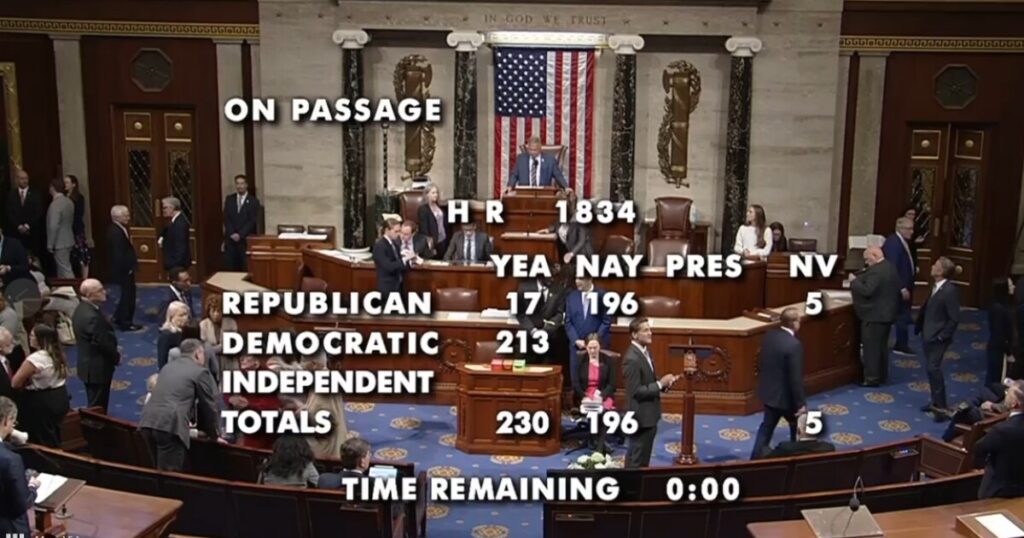
In January, a bill to extend these enhanced credits for three additional years passed the House of Representatives with bipartisan support, including votes from three Pennsylvania Republican congressmen: Rob Bresnahan, Ryan Mackenzie, and Brian Fitzpatrick. However, the proposal has since stalled in the Senate, jeopardizing the future of affordable healthcare for numerous residents.
Interestingly, Bresnahan noted that more than 28,000 individuals in Northeast Pennsylvania depend on ACA subsidies to afford their healthcare premiums. “I mean, these are small business owners. These are people in between jobs. These are independent contractors. It was a very easy decision to make. I know I took some flack here,” he stated, referring to the backlash he received for supporting the extension.
As he explained further, “Do I love the three-year clean extension without reforms? Absolutely not, but what we do need to do is come to a compromise and put real legislation on the floor with meaningful reforms that ultimately can become a law.” This statement underscores the tension between immediate relief for constituents and the need for comprehensive healthcare reform.
Despite partisan divides, it seems some lawmakers are recognizing the urgency of the situation. Mackenzie remarked, “It’s now time for members of the Senate — on both sides — to come together and support a bipartisan health care plan that delivers the relief and reform that the American people deserve.” He emphasized that the American public understands the healthcare system is broken and that the ACA has made healthcare unaffordable for many.
Democratic representatives are hopeful that the Senate will act on the extension proposal. Brendan Boyle, a Philadelphia Democrat, remarked on the progress made in the House, where 17 Republicans joined every House Democrat in supporting the extension. “A couple months ago when Democrats in Congress started this push, people thought that we could succeed and actually win a vote,” he said. “So I'm very encouraged by that. We still have a ways to go in order to win in the Senate, but I think at this point, we're about halfway there.”
As the deadline looms, the urgency for legislative action grows. The impact of expired subsidies has already begun to manifest in alarming ways, with constituents like Briggs feeling the weight of increased healthcare costs. The situation illustrates the critical need for lawmakers to prioritize the health and well-being of their constituents in the face of evolving economic challenges.
You Won't Believe What Yale's Josh Pitsenberger Can Do—Is He the Next NFL Sensation?
Trump's Climate Decisions: Could They Cost Us 100,000 Lives and Boost the Dollar? Shocking Truth Revealed!

IndiGo's Shocking Move: Is This the Future of In-Flight Entertainment? You Won't Believe What’s Coming!

Unlock $1000 in FanCash for NBA All-Star Saturday—Will You Miss This Game-Changing Offer?

You Won't Believe What Happens When 100+ Players Gather at the US Club Soccer's Elite Camp!

Why This Governor's Shocking Praise for Ag Initiative Could Change Farming Forever!
You might also like: